


Picture this… you’re scrolling through WhatsApp when a video lands in your family group chat. A well-known public figure is promising to double anyone’s money if they click a link. The face looks right, the voice sounds right, but something just feels… off.
You can’t say what it is, but you just know.
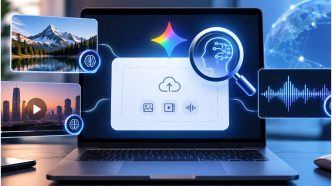
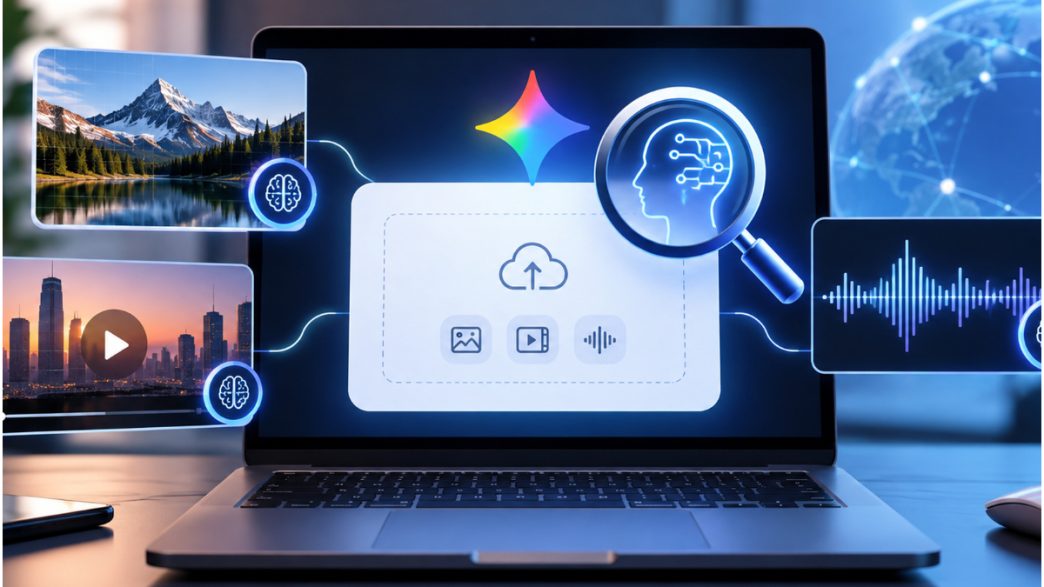
That small knot of doubt is what Google is trying to address. The Google AI content detector, officially called SynthID Detector, is now open to the public. It gives ordinary people a way to check whether an image, video or audio clip was made with artificial intelligence. 
Meet Google’s SynthID, the AI that detects AI
Google recently announced the rollout in a blog post by Pushmeet Kohli, vice president of Science and Strategic Initiatives at Google DeepMind. The portal is available globally, in English for now. Anyone can use it, not just newsrooms and researchers.
SynthID is not entirely new, though. An early version appeared in 2025 and was limited to journalists and media professionals. What has changed is who can use it and what it can read. The detector now recognises watermarks from Google and from partners including OpenAI, NVIDIA and Kakao, with Apple expected to join soon.
Kohli framed the move around trust. As AI tools get easier to use, he said, people need clearer context to decide what to trust. Google says the detector works alongside verification features in Search, the Gemini app and Chrome, which together handle more than a million requests a day.
READ: Lagos Set for 24/7 Electricity as FG Unveils Energy Zones Pilot
How SynthID works, in plain English
Think of the security thread inside a banknote. You cannot see it in normal light, but a cashier’s scanner can pick it up. SynthID is a similar idea for digital media.
Google introduced SynthID in 2023, and it works by adding a hidden watermark at the moment the AI creates something. The mark is not a logo stuck on afterwards. It is built into the content itself.
In images and video
The watermark is a pattern of tiny adjustments to the pixels, spread across the whole picture. Each change is too small for your eye to notice, but together they form a signature.
The same idea is applied in videos, frame by frame.
In audio
The signature is woven into the sound in a way your ear cannot pick up. Google says it has watermarked 240,000 years’ worth of audio.
AI detection, on a cellular level
According to Google, the mark is designed to survive everyday changes such as cropping, resizing, compression and filters. So, a watermarked picture that gets screenshotted, shared and re-shared can often still be read. No watermark is unbreakable, though, and heavy editing can weaken one.
This is where the detector gets to… detecting. You upload a file and it looks for the hidden pattern. If it finds one, you know the file came from a supported AI tool.
This is different from many AI detectors that try to guess whether something looks fake by hunting for odd fingers or strange shadows. Those guesses are often wrong. There are now deepfakes that look so real, they’re undistinguishable from authentic content. SynthID is not guessing from appearance. It is checking for a mark that was deliberately placed there.
Google has applied the same thinking to AI-written text, nudging word choices in a pattern a computer can recognise. The newly opened portal, however, is described as covering images, videos and audio.
READ: NCC Verification: Unverified Phones to be Disconnected in 30 Days, Here’s How to Check Yours
Who can benefit from SynthID?
The most obvious winners are people whose work depends on knowing what is real. Journalists handed a dramatic photo from a breaking story can check it before publishing. Fact-checkers can test a viral clip before explaining why it is misleading. Teachers can look into suspicious images submitted for an assignment.
But the biggest effect may be on everyday life. In Nigeria, fabricated videos of public figures, including broadcast anchors, have been used to push investment scams. Many victims never doubt the video because it looks so convincing. African mothers are especially the most susceptible, blowing up family WhatsApp groups with unverified videos that later turn out to be false.
A quick check before sending money, or before forwarding a clip to twenty friends, could stop a lot of damage.
Businesses could also use the tool. A bank’s fraud team might test a suspicious voice note, and a brand might check a “leaked” advert. Creators who use AI openly could rely on watermarks to show their work is labelled honestly.
Regulators and technology companies are also looking for ways to identify manipulated media. A shared system like this, where several companies agree to watermark their output, is one possible route.
What the Google AI content detector cannot do
This is where expectations matter, because the tool is helpful but not magic.
It only finds watermarks it knows about. If an image came from an AI tool that does not use SynthID, the detector will see nothing. That is why a “not detected” result does not prove something was made by a human. It only means no supported watermark was found. Bad actors can use tools that add no watermark at all.
A positive match is not a verdict on honesty. Plenty of AI-made content is harmless, like a cartoon of your dog or a stylised birthday card. The detector tells you where something came from, not whether it is misleading. That judgement still belongs to you.
The answer may be basic. Early reports suggest the public version gives a simple detected or not-detected result, rather than the detailed highlighting of suspicious areas offered in the earlier version.
Editing can weaken the signal. A file that has been heavily altered may no longer carry a readable mark.
Language and reach are limited. The portal is in English only for now, and it covers only the companies that have signed up so far.
How to use SynthID wisely
Treat the Google AI content detector as one useful check in a larger routine. If something looks suspicious, it is worth running it through the portal. Then do the older, more human things as well:
- Ask who first posted it.
- Look for the same story from established news outlets.
- Be wary of anything that rushes you to click, pay or forward.
- Pause when a clip makes you very angry or very excited, since that is when fakes work best.
The next test is how many companies join. Apple’s arrival would add a very large player, and every new partner makes the system more useful. As more AI tools mark their output, the gaps in the detector shrink.
For now, the Google AI content detector will not end deepfakes or scams. What it does is hand everyone a simple tool for checking before they believe or share something. In a world where seeing is no longer believing, that is a useful start.

About The Author