


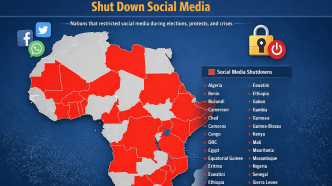
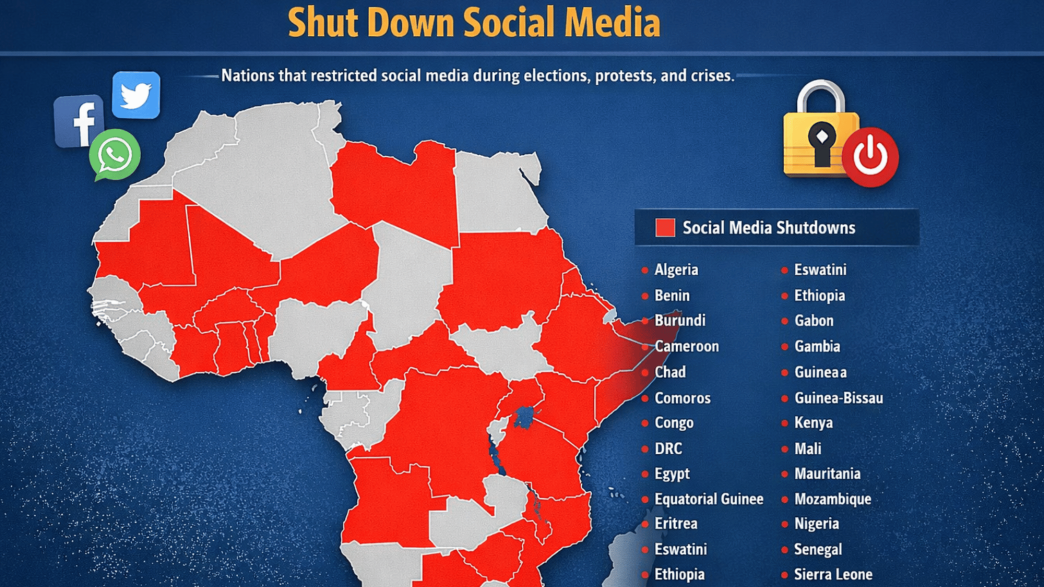
Social media is a space we use to cool off, communicate, and sometimes get the government to be accountable or do the needful. However, governments do not always see it that way. In fact, many African countries that shut down social media often see it as a threat.. They simply flip the switch off when things get tense.
By “flipping the switch,” we are talking about temporary shutdowns during elections, protests, exams, or moments labeled as “national security.” Some shutdowns lasted a few hours, while others continued for months or even years.
The official reasons are usually to curb “misinformation,” “prevent unrest,” or “protect peace.” Of course, critics argue it’s more about controlling the narrative and limiting how easily people can speak up or hold leaders accountable. 
Here is a rundown of 30 African countries that have shut down social media at one point or another.
1. Algeria
Exam season basically comes with a built-in social media timeout. The BBC reports that since 2016, after extensive cheating occurred, platforms like Facebook, X (formerly Twitter), and WhatsApp have been blocked for hours during national exams, like the baccalaureate, to prevent leaks. During protest periods, it’s clear that no sneaky DMs are allowed; therefore, students and activists have been forced to get creative.
2. Benin
The Open Observatory of Network Interference (OONI) says that during the 2019 parliamentary elections on April 28, social media platforms went dark for about 15 hours. The goal was to “preserve peace,” but it also meant fewer real-time updates from voters, something like admins muting the group chats right when the drama starts.
3. Burundi
Election day on May 20, 2020, saw major platforms blocked in the morning, with more disruptions during later protests. NetBlocks says the blockage was carried out via leading providers like Econet and Lumitel. The aim was to maintain “public order,” but it also limited election monitoring and live updates.
4. Cameroon
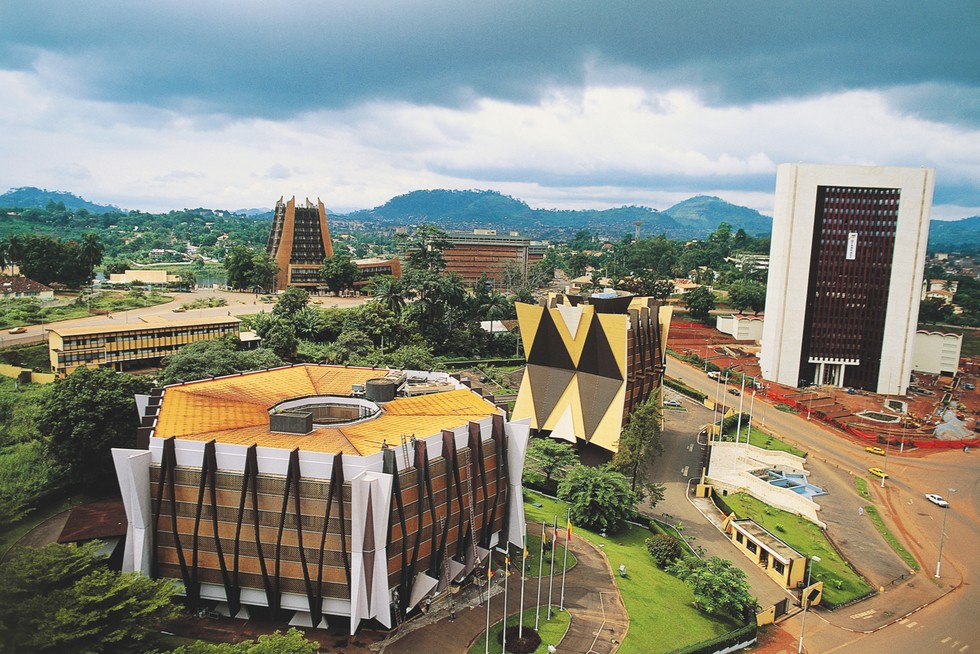
This was one of the longest shutdowns on record. For 93 days in 2017, there was a complete internet blackout in Anglophone regions. The shutdown also included extended social media restrictions, taking a serious hit on businesses, students, and everyday life. According to Access Now, it targeted the “Silicon Mountain” tech hub. Can you imagine three months offline in today’s world? Well, Cameroon lived it.
Stories like these show a growing pattern among African countries that shut down social media, especially during politically sensitive moments.
5. Chad
Starting in March 2018, Chad experienced a staggering 16-month ban on social media after protests over constitutional changes. According to Reuters, the timeout, which ended in July 2019, had economic costs running into hundreds of millions of dollars, making it a very expensive timeout.
6. Comoros
Following the 2024 election protests, the government imposed a communications blackout for several days. According to the BBC, the measure was aimed at cutting off the spread of unrest videos. Short, sharp, and effective.
SEE ALSO: 5 African Countries With the Highest GDP in 2026
7. Congo (Republic of Congo)

During the 2021 presidential elections, NetBlocks reports that a nationwide internet blackout lasted three days. Independent reporting slowed, and the flow of information was tightly controlled.
8. Democratic Republic of Congo (DRC)
According to the BBC, at the end of the 2018 elections, internet and SMS services were shut down for nearly three weeks. It created a major information gap during a critical political moment.
9. Egypt
Al Jazeera recorded the “kill switch,” which was one of the first in this space. Egypt shut down almost the entire internet during the 2011 Arab Spring. Since then, there have been repeated restrictions during protests and new efforts to regulate online access, especially for younger users.
10. Equatorial Guinea
In 2024, Access Now reported that protests on Annobón Island led to a shutdown that has stretched into 2026, affecting around 5,000 residents. It’s less a temporary restriction and more a case of prolonged digital isolation.
11. Eritrea
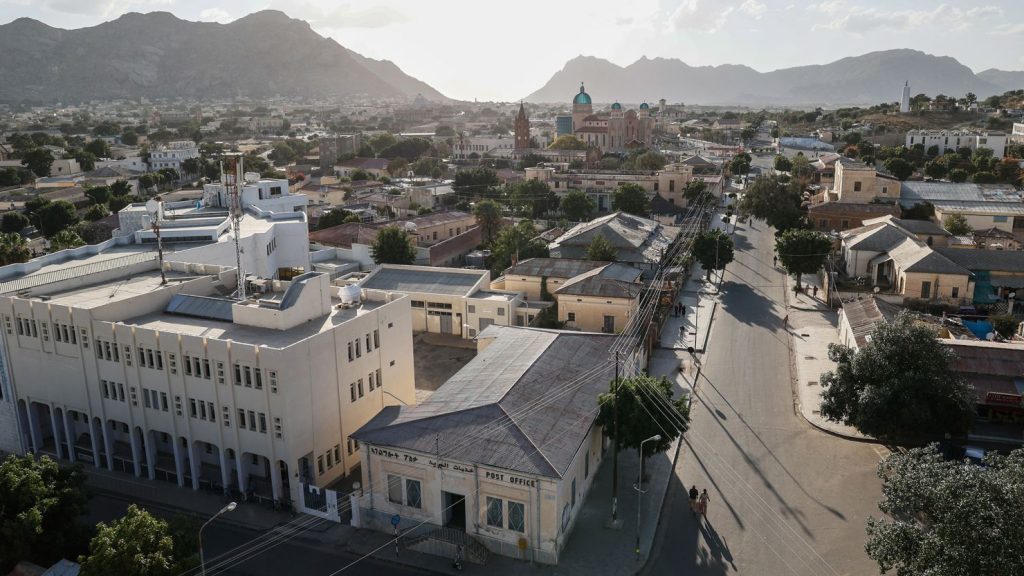
We can call this the North Korea of Africa. According to Internet Society Pulse, the shutdown in Eritrea is almost permanent. Since 2001, independent media and most social platforms have been heavily restricted, with very limited internet access overall.
12. Eswatini
During the 2021 pro-democracy protests, Access Now recorded that social media platforms were blocked to stop the spread of images showing unrest. The shutdowns were used as a tool to hide human rights violations and prevent the organisation of rallies.
13. Ethiopia
The Internet Society Pulse records several accounts of internet shutdowns in Ethiopia. From the aftermath of a popular singer’s killing in 2020 to the prolonged blackout during the Tigray conflict, Ethiopia has seen multiple shutdowns tied to security concerns. Some lasted weeks, others much longer.
14. Gabon
After the 2023 coup and earlier in 2026, the Internet Society Pulse and the BBC recorded how Gabon imposed restrictions on major platforms, citing concerns about misinformation and online threats to stability. Some of these measures are still in place.
15. Gambia
In preparation for the 2016 elections in The Gambia, internet access was cut to limit opposition mobilisation. It was brief but strategically timed, according to Amnesty International.
16. Guinea
The people of Guinea have also experienced multiple internet shutdowns. During the 2020 elections and later unrest, access to major platforms was restricted in the name of public order, limiting how protests and political developments were shared.
17. Guinea-Bissau
Internet shutdowns have become a norm to manage unrest in Guinea-Bissau. In 2024, political instability triggered a total shutdown, which was aimed at preventing the spread of rumours and unrest-related information.
18. Kenya
Like in Algeria, rather than politics, Kenya’s restrictions have focused on exam integrity. Platforms like Telegram were blocked during national exams to stop cheating networks from selling examination papers.
19. Mali
Amid protests and political transitions, Mali has used partial shutdowns and media restrictions to tighten information flow during uncertain periods. These disruptions are typically implemented by ISPs like Malitel and Orange, which makes citizens resort to using VPNs.
20. Mauritania
There were shutdowns in the country in 2019, twice in 2023, and again in 2024. In 2024, after the re-election of President Mohamed Ould Ghazouani, there was a 22-day shutdown of social media and mobile internet. The blackout aimed to curb unrest and “hateful content.”
21. Mauritius
After a “wiretapping scandal” involving leaked audio conversations of politicians, journalists, and diplomats, the government of Mauritius ordered a temporary suspension of social media, but it was reversed within 24 hours.
22. Mozambique
In 2024, election-related unrest led to internet restrictions. As usual, it aimed at limiting protest coordination and heated online debates.
23. Nigeria
According to Business Day News, between 2021 and 2022, Nigeria lost over 82 million dollars to a partial internet shutdown. The government banned X (formerly Twitter) for 222 days after a dispute with the platform. The move sparked the widespread use of VPNs.
24. Senegal
During protests in 2023 and 2024, the government restricted mobile internet access and blocked social media platforms like TikTok. The goal was to curb ‘subversive’ messaging.
25. Sierra Leone
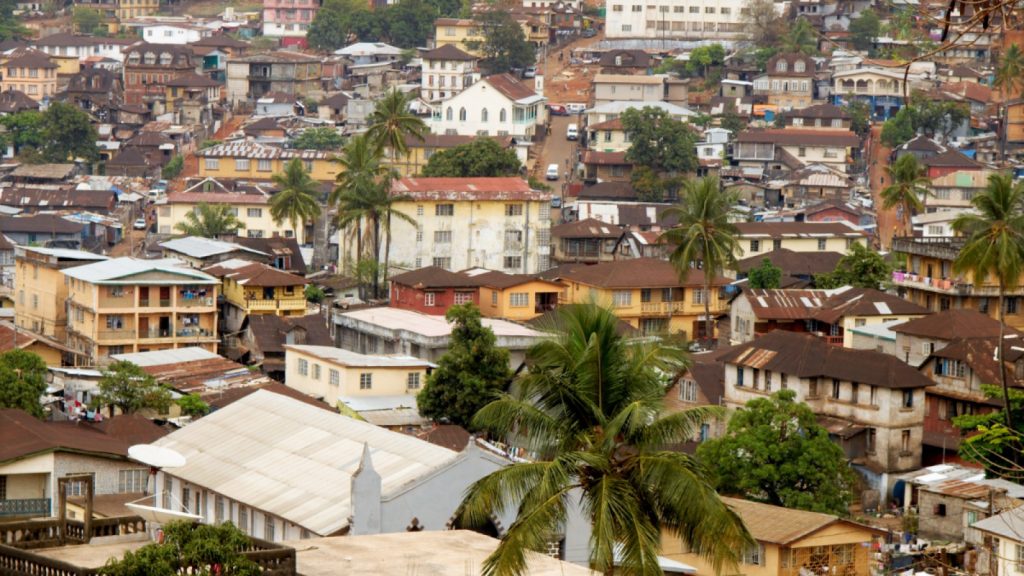
During the 2018 elections, there was an internet shutdown aimed at quelling dissent and stopping miscommunication. In 2022, amid cost-of-living protests, officials claimed the outage was due to “emergency technical maintenance.” Observers, however, viewed it as a measure to control the narrative during unrest.
26. Somalia & Somaliland
In August 2022, when the people of Somaliland protested about the postponement of elections, the government shut down the internet. The same shutdown happened again in 2024.
In Somalia, for three weeks in 2017, there was an internet blackout after a ship cut an undersea cable. In 2020, there was another shutdown after the removal of the prime minister by parliament. Political tensions in recent years have led to intermittent disruptions aimed at preventing escalation.
27. South Sudan
In January 2025, the government of South Sudan ordered the shutdown of platforms like Facebook and TikTok for a 30 to 90-day period. The ban lasted for five days instead to reduce incitement and retaliatory violence.
28. Sudan
The conflict between the Sudanese Army and the paramilitary Rapid Support Forces (RSF) has led to a 100% shutdown of the internet in Sudan. Since 2019, there have been repeated shutdowns during major political upheavals, often drawing criticism from rights groups.
29. Tanzania
During elections and protests, Tanzania has imposed restrictions citing morality and public order, including a full shutdown for five days and six hours in late 2025.
30. Togo
Protests in 2017 and again in 2025 saw social media platforms blocked under national security and anti-hate speech justifications.
Most of these shutdowns are temporary, but the trend among African countries that shut down social media is becoming harder to ignore.While governments frame them as necessary for safety and stability, the ripple effects are real. Businesses are disrupted, there is limited access to education and healthcare communication, and most importantly, restricted freedom of expression.

About The Author