





A suspected diphtheria outbreak in Plateau, Katsina and Kano States has raised fresh concerns about a disease many Nigerians may remember from childhood vaccination campaigns but know little about.
Health authorities in Plateau reported 143 suspected cases and 23 deaths in Jos North Local Government Area as of September 1. Nine patients were receiving treatment at the Jos University Teaching Hospital and Plateau Specialist Hospital, while health officials intensified surveillance and community awareness efforts.
The outbreak has also exposed some of the difficulties health workers face when treating the disease. Plateau’s Commissioner for Health, Nicholas Baamlong, identified shortages of diphtheria antitoxin and late presentation at health facilities as major challenges. Officials also reported difficulties collecting and transporting samples for laboratory confirmation because of a shortage of specialised containers. 
But what exactly is diphtheria, and why can it become so dangerous?
What Is Diphtheria?
Diphtheria is a serious bacterial infection caused mainly by Corynebacterium diphtheriae. The infection often affects the nose and throat. In some cases, it can also affect the skin.
The bacteria can produce a toxin that damages tissues and can affect organs beyond the initial site of infection. Severe disease can lead to breathing problems, heart complications, nerve damage and death.
That makes early medical attention important.
How Does Diphtheria Spread?
Diphtheria can pass from one person to another through respiratory droplets.
An infected person can release these droplets when coughing or sneezing. Close contact with an infected person can therefore increase the risk of transmission. People can also come into contact with contaminated objects or personal items.
During the Plateau outbreak, the Jos North Disease Surveillance and Notification Officer, Baks Bulus, warned that sharing items such as utensils and towels could increase the risk of infection.
Crowded living conditions can make transmission easier, particularly where many people live or spend time together.
Why Can Diphtheria Become Deadly?
The biggest danger comes from the toxin produced by the bacteria.
A severe infection can create a thick coating in the throat that makes breathing difficult. The toxin can also enter the bloodstream and damage other parts of the body. Without timely treatment, complications can become life-threatening.
The Plateau outbreak has shown how quickly the disease can become serious. Officials said some patients arrived at health facilities late, which has made treatment more difficult.
Children Face a Particular Risk
Diphtheria can affect anyone who lacks adequate protection, but children remain particularly vulnerable when they have not received the recommended vaccines.
Nigeria has experienced repeated diphtheria outbreaks in recent years.
WHO reported that the disease has disproportionately affected children and adolescents in Nigeria, with low vaccination coverage contributing to its spread.
The National Primary Health Care Development Agency and other health authorities have therefore continued to emphasise routine childhood immunisation and vaccination campaigns in affected communities.
SEE ALSO: Senegalese Company Manufactures 1st Africa-Made Treatment for Sickle Cell Disease
Can Diphtheria Be Prevented?
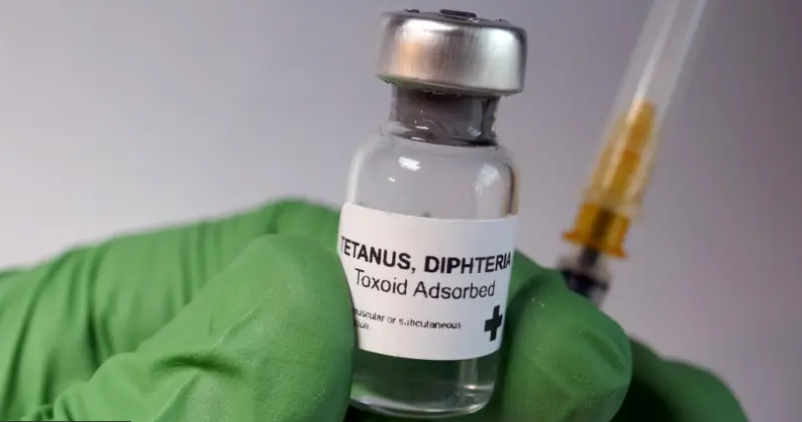
Yes.Vaccination provides the most important protection against diphtheria.
Children receive diphtheria protection through vaccines included in Nigeria’s routine childhood immunisation programme. Completing the recommended doses helps reduce the risk of severe disease.
Vaccination also helps limit transmission and protects people who may be more vulnerable to serious complications.
This is why health officials often focus on vaccination when outbreaks occur.
During the Plateau outbreak, local health authorities again urged residents to take vaccination seriously. Bulus said vaccinated children tend to experience milder effects, while children who remain unvaccinated or fail to complete the required doses face a greater risk of severe disease.
What Should People Watch For?
Diphtheria can initially resemble other respiratory infections.
Possible symptoms include a sore throat, fever, weakness, swollen glands and difficulty swallowing. Some patients develop a thick grey or white coating in the throat. Breathing difficulties can signal severe disease.
Anyone who develops concerning symptoms, particularly after close contact with a suspected or confirmed case, should seek medical attention rather than attempting to treat the illness at home.
Early treatment matters because doctors can use antibiotics to stop the bacteria from growing and diphtheria antitoxin to neutralise the toxin.
Nigeria Has Dealt With Diphtheria Before
The Plateau outbreak is not an isolated event.
Nigeria has faced repeated outbreaks across several states in recent years. WHO reported that Nigeria continued to record the highest number of diphtheria cases in Africa, with cases reported across dozens of states and local government areas.
A 2025 Nigeria Centre for Disease Control and prevention NCDC situation report also recorded previous diphtheria cases and deaths in Plateau, showing that the state has dealt with the disease before.
The current situation therefore adds to a wider public-health challenge rather than representing the first appearance of diphtheria in the country.
The Most Important Protection
Diphtheria is serious, but it is also a vaccine-preventable disease.
The Plateau outbreak has placed the disease back in the public eye. For many people, however, the most important lesson may be simpler than the outbreak figures.
Know your vaccination status. Make sure children complete their recommended doses. Avoid close contact with suspected cases and seek medical attention early when serious symptoms appear.
The disease may be dangerous, but vaccination and timely treatment can significantly reduce the risk of severe illness and death.
READ ALSO: Cancer Is Not Always Unavoidable: What Raises the Risk and What You Can Actually Prevent

About The Author