


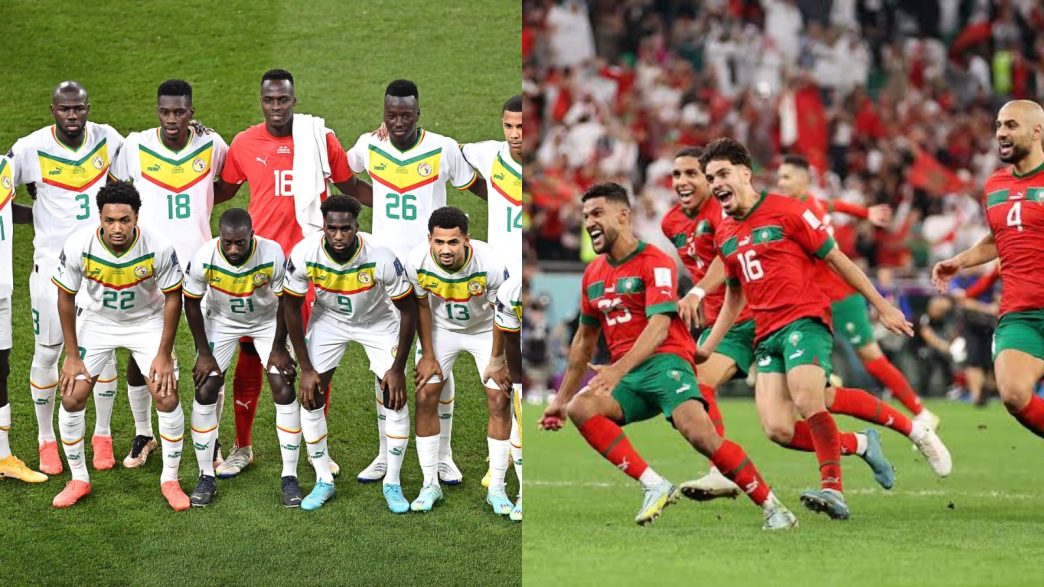
In a remarkable achievement, 90% of the African Football Teams successfully qualified for the tournament. Egypt, Ghana, Morocco Senegal, South Africa , Ghana, Morocco, Senegal and South Africa.
However, last week, three African teams stood on the brink of famous FIFA World Cup victories. Senegal, Morocco and Egypt.
Senegal’s Lions of Teranga matched Belgium, one of Europe’s football giants, stride for stride. They defended with confidence, attacked with purpose, and twice took the lead in a thrilling Round of 32 clash. 
Every tackle, pass, and counterattack suggested the African champions had finally found a way to eliminate one of the tournament favourites. Then everything fell apart. Belgium mounted a dramatic comeback to win 3-2, ending Senegal’s World Cup campaign and breaking the hearts of millions of African fans.
Just days later, Egypt produced another outstanding performance against defending champions Argentina. The Pharaohs took the lead, resisted sustained pressure and even denied Lionel Messi from the penalty spot. They looked capable of producing one of the tournament’s biggest upsets. However, Argentina, to the shock of viewers, responded with three late goals to secure a dramatic 3–2 victory. The result added another chapter to a familiar story in which an African team competed brilliantly but could not protect a winning position. They watched victory slip away as the world looked on.
Why Does This Pattern Keep Repeating?
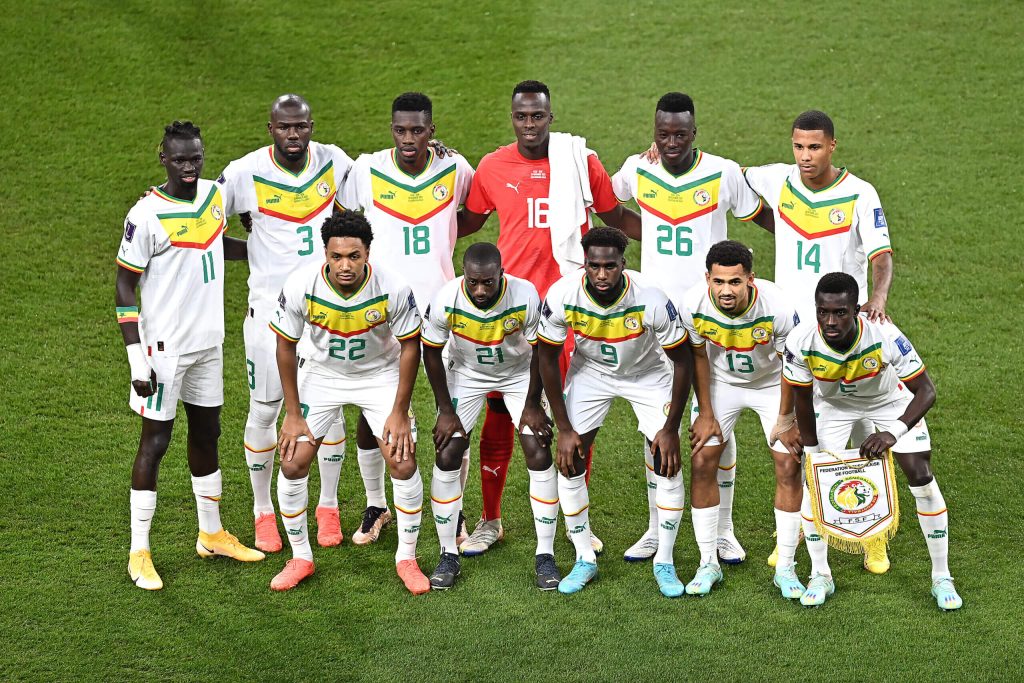
The defeats suffered by Senegal and Egypt were about more than losing football matches. They reopened a debate that has followed African football for decades. Why do African teams repeatedly compete with the world’s best, only to surrender winning positions when victory seems within reach?
The answer is not as simple as poor defending or bad luck. African teams have consistently produced world-class players. Many now play for Europe’s biggest clubs and compete at the highest level every week. The issue clearly lies elsewhere. Football analysts point to a combination of game management, experience, tactical discipline and decision-making under pressure. These factors often determine the outcome of knockout matches, where the smallest mistake can change history. According to FIFA’s technical reports, successful teams rarely rely on talent alone. They combine tactical organisation, emotional control and smart decision-making throughout the full 90 minutes. Those qualities often separate champions from teams that fall just short.
History shows the same pattern. Senegal and Egypt are not the first African teams to suffer heartbreaking World Cup exits. The continent has experienced similar moments for decades. Perhaps the most painful came at the 2010 FIFA World Cup in South Africa. Ghana stood seconds away from becoming the first African nation to reach the semi-finals before Luis Suárez’s goal-line handball. Although Ghana received a penalty, Asamoah Gyan struck the crossbar, and Uruguay eventually advanced on penalties. Twenty years earlier, Cameroon came within touching distance of the semi-finals in Italy. The Indomitable Lions led England in extra time before two late penalties ended their dream. Nigeria has also experienced narrow exits after impressive performances, while Ivory Coast and Algeria have often fallen just short despite matching stronger opponents for long periods. These stories differ in detail, but they reveal the same pattern. African teams repeatedly show they have the quality to compete. Holding on to winning positions has proved far more difficult.
SEE ALSO: Footballers Who Gained the Most Instagram Followers During World Cup 2026
Talent Has Never Been Africa’s Problem
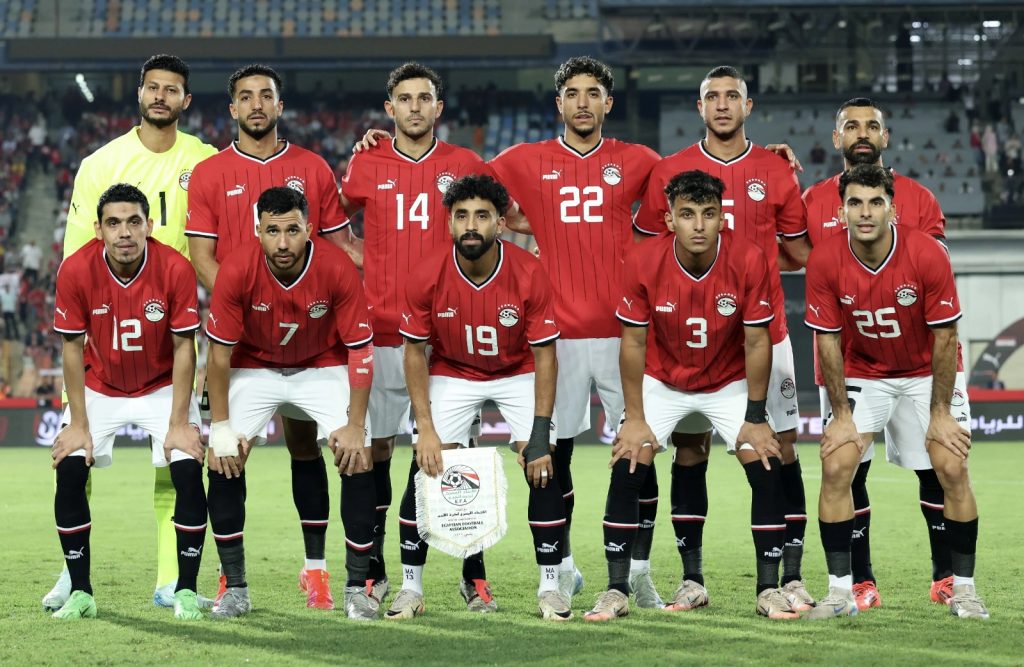
Few people still question Africa’s football talent. Players from across the continent have won domestic league titles, continental trophies and the UEFA Champions League. They have become key figures for some of the biggest clubs in England, Spain, Germany, France and Italy. Their success proves that African football can produce players capable of competing with the very best.
The challenge is ensuring that national teams display the same composure they show every week at club level. When pressure builds, experienced teams often slow the game, keep possession and frustrate their opponents. African teams sometimes do the opposite. They drop too deep, rush clearances and invite pressure. Those decisions allow opponents to regain confidence and control. At the World Cup, such moments often decide who advances and who goes home.
Morocco Is Showing the Way
Morocco continues to demonstrate what African football can achieve on the world’s biggest stage. After becoming the first African nation to reach a World Cup semi-final in 2022, the Atlas Lions have carried that momentum into the 2026 tournament. They produced a disciplined and commanding 3–0 victory over Canada to book another place in the quarter-finals.
The performance highlighted the qualities that have defined Morocco in recent years. They defended with discipline, controlled possession when it mattered and remained composed under pressure. Rather than protecting a lead by retreating, they continued to play with confidence and purpose. Morocco’s consistency shows that African teams can compete with—and defeat—strong opponents through tactical organisation, emotional resilience and intelligent game management. Their upcoming quarter-final against France now offers another opportunity to prove that Africa’s recent success is no longer an exception but part of a growing transformation.
Africa Is Closer Than Ever
Senegal’s defeat hurt. Egypt’s collapse made the conversation even more urgent. Two different teams. Two different opponents. The same outcome. Yet these results should not convince anyone that Africa lacks quality. If anything, they prove the opposite.
African teams continue to create chances, score goals and challenge some of football’s biggest nations. What they must now master is the art of protecting those advantages when matches enter their decisive moments. That will require continued investment in coaching, sports psychology, leadership development and tactical preparation. Organisations such as the Confederation of African Football (CAF) have an important role to play in helping national teams build on the progress already made.
Looking Beyond
Within one unforgettable week, Senegal and Egypt gave Africa every reason to believe. They stood on the verge of famous victories against Belgium and Argentina. They showed courage, quality and attacking intent. For long periods, they looked capable of producing two of the biggest upsets of the 2026 FIFA World Cup. Neither team crossed the finish line.
Their defeats have revived an old debate, but they have also highlighted how close African football has come to closing the gap with the world’s elite. The continent no longer needs to prove that it belongs on football’s biggest stage. It has already done that. The next challenge is turning promising performances into historic victories. When African teams learn to manage crucial moments with greater composure and discipline, the long-awaited FIFA World Cup breakthrough may no longer remain a dream. It may simply become Africa’s next great football story.
ALSO READ: The 5 Most Influential African Footballers’ WAGs and Their Businesses

About The Author