



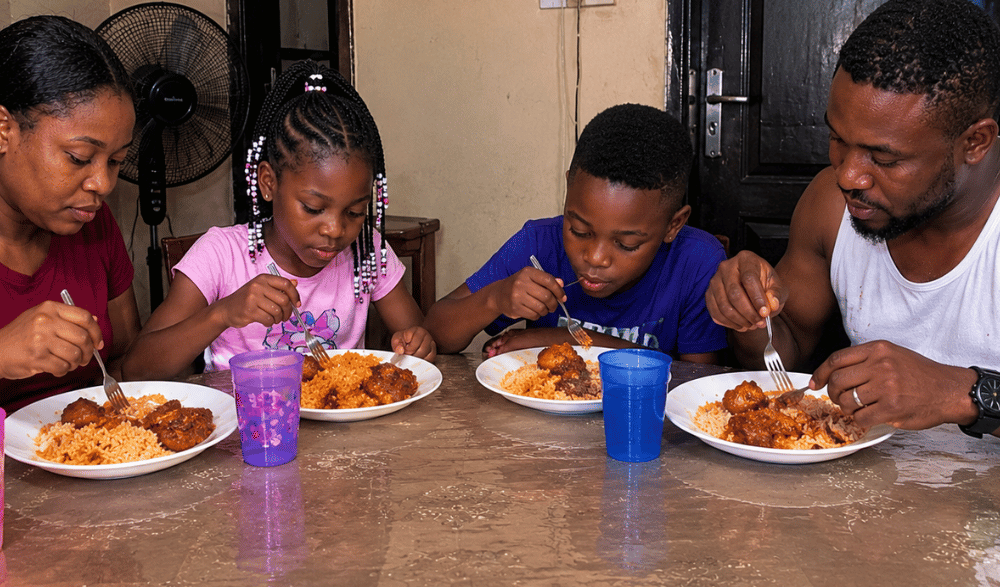
In the bustling city of Lagos, where the cost of living continues to challenge households, feeding has become one of the biggest monthly expenses.
Many families, like an average middle-income earner supporting a spouse and two children, now have to put aside a substantial portion, or not all, of their income just to put meals on the table.
SEE ALSO: How Much Does It Cost to Eat a Balanced Diet in Nigeria? 
Current Monthly Food Costs for a Family of 4
In a recent report by BusinessDay, estimates and market realities in Lagos place the monthly food budget for a family of four at more than ₦359,000, depending on shopping habits, dietary preferences, and location.
This aligns with a broader report by Nigeria Housing Market showing that food now consumes 60-70% of many household budgets in Nigeria.
Sample Breakdown of Key Staples (Lagos Markets, mid-2026)
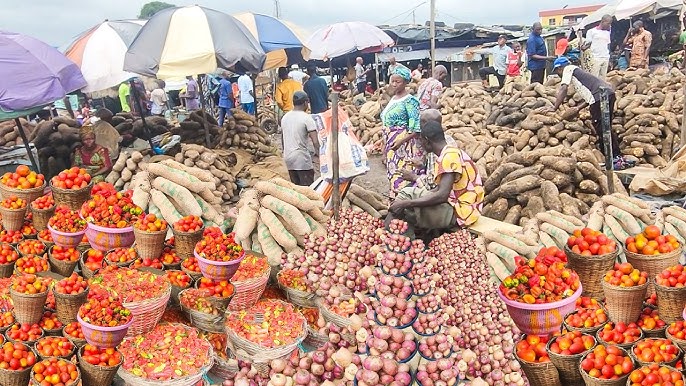
- Rice: Depending on quality, a 50kg bag of rice costs between ₦50,000 and ₦100,000.
- Beans, garri, yam, and other staples: These take a significant portion of the budget. A bag of beans costs between ₦50,000 and ₦120,000 depending on the type. A tuber of yam, which can’t feed a family of four, costs no less than ₦2000. Garri, which used to be the cheapest in the market, has a 50 kg bag going for ₦45,000 to ₦65,000, depending on the type.
- Proteins (fish, meat, eggs) and perishables (vegetables, tomatoes, and peppers): Prices of proteins and vegetables vary. A kilo of chicken, beef and meat costs between ₦5,000 and ₦8,000. Perishables are the most unstable in the market and a major driver of weekly costs.
Trading Economics reports that Nigeria’s food inflation, which is currently around 16% year-on-year, continues to pressure the above figures despite some easing in certain staples.
Why Are the Numbers So High?
Lagos residents face higher costs due to transportation, high demand, and supply chain issues.
Families that shop smart by buying in bulk at markets like Mile 12 or Oyingbo, haggle, and focus on seasonal items can stay closer to the lower end. Those relying on supermarkets or frequent small purchases pay more. Would you blame them? Many can not afford to buy in bulk.
The Human Reality
For many, these costs are more than what is earned as monthly salaries.
BusinessDay’s recent coverage puts a spotlight on this crisis, showing through real stories how food costs alone eat into many salaries.
A professional earning around ₦300,000 monthly, for instance, can find basic family feeding alone eating up most or all of their income. Many times, this pretty decent salary almost doesn’t cover rent, transport, school fees, or emergencies.
This situation forces tough choices on the family, like a mother skipping personal meals, the family reducing protein intake, or seeking side hustles.
Nigerians across the country are asking the same questions: How did we get here? When will wages catch up with reality? What policies can genuinely protect real income instead of just adjusting figures on paper?
Economists and labour groups continue to call for living wages that reflect actual costs, better inflation management, and support for the most vulnerable. Until then, millions navigate this daily reality with creativity, faith, and sheer determination.

About The Author