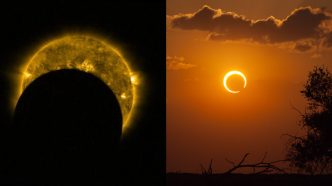
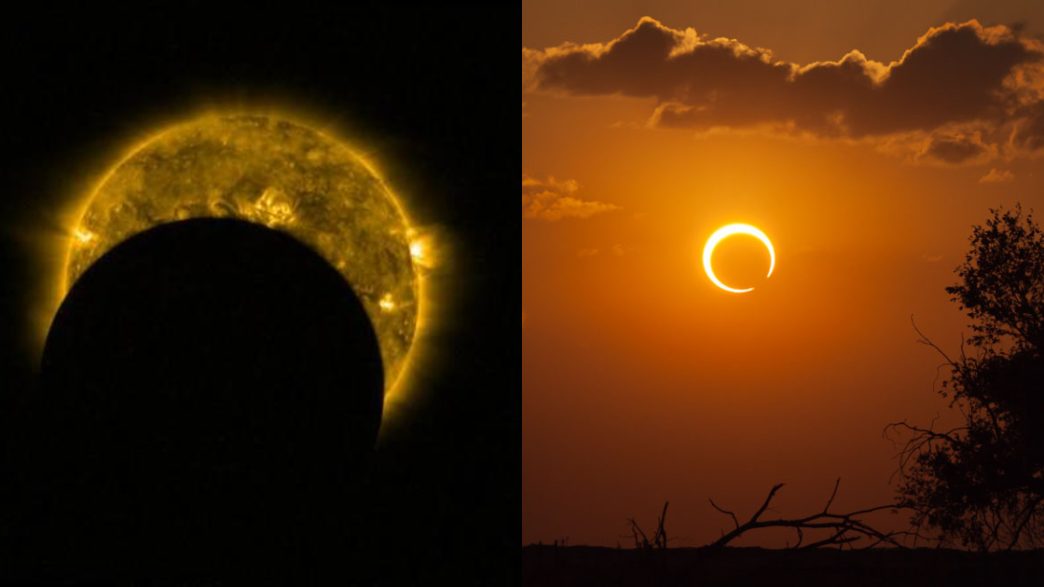
On Wednesday, August 12, 2026, the moon will move between the Earth and the Sun, completely obscuring the Sun to cause a total solar eclipse.
According to the National Solar Observatory, the total solar eclipse will sweep over Greenland, the Arctic Ocean, Iceland, the Atlantic Ocean, Portugal, and Northern Spain.
African Countries to Experience Partial Solar Eclipse on August 12
Only the northwestern part of Africa will experience a partial solar eclipse in the late afternoon or evening while the sun sets on August 12. Countries that fall into this category include: 
- Morocco: Before sunset in Morocco, northern cities like Tangier and Casablanca will experience between 87% and 92% coverage of the sun by the moon.
- Algeria: There will be 95-98% coverage in northern cities like Oran and Algiers just before the sun sets.
- Tunisia: Tunisia will experience deep partial coverage while the sun sets.
- Mauritania: Depending on the location in Mauritania, there will be 30-70% visibility.
- Observers in the Western Sahara will also see roughly 70% coverage of the sun.
SEE ALSO: These African Countries Will Soon Experience The Longest Solar Eclipse Ever
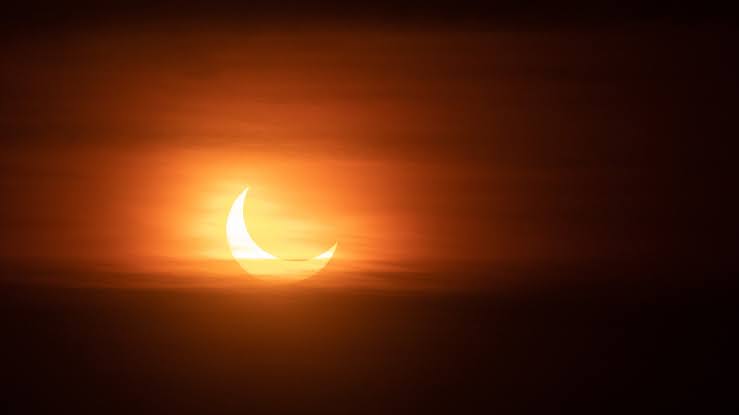
African Nations to Witness Minor Partial Solar Eclipse on August 12
- Senegal: In Senegal, there will be 30-37% visibility of the solar eclipse.
- Cabo Verde: In Cabo Verde, only 30-32% of the sun will be covered.
- Other nations that will catch minor partial phases of the eclipse, which will be under 30% visibility, include Mali, Libya, The Gambia, Guinea, Guinea-Bissau, Sierra Leone, Cote d’Ivoire and Ghana.
Safe Ways to View The Solar Eclipse on August 12
Looking directly at the sun is unsafe except when the moon entirely blocks the sun’s bright light, which will only happen in a total solar eclipse.
Eclipse Glasses or Hand-held Solar Viewers
Since the eclipse in Africa will only be partial, the safest way to look at the eclipsed sun is to use eclipse glasses or hand-held solar viewers. No matter how dark the lenses of regular sunglasses might be, they are not safe for viewing the Sun.
Do Not Look Through Cameras to View
Do not use a camera, binoculars, or telescope to view a partial solar eclipse while wearing eclipse glasses or a solar viewer, as it can cause severe injury to the eye.

About The Author