


In many parts of the world, gaining weight carries negative connotations, often linked to unhealthy habits or a lack of self-control. However, for the Bodi people living in Ethiopia’s Omo Valley, weight gain for a fuller physique serves as a striking symbol of pride, health, and social prestige.
Bodi men prepare for the sacred Ka’el festival
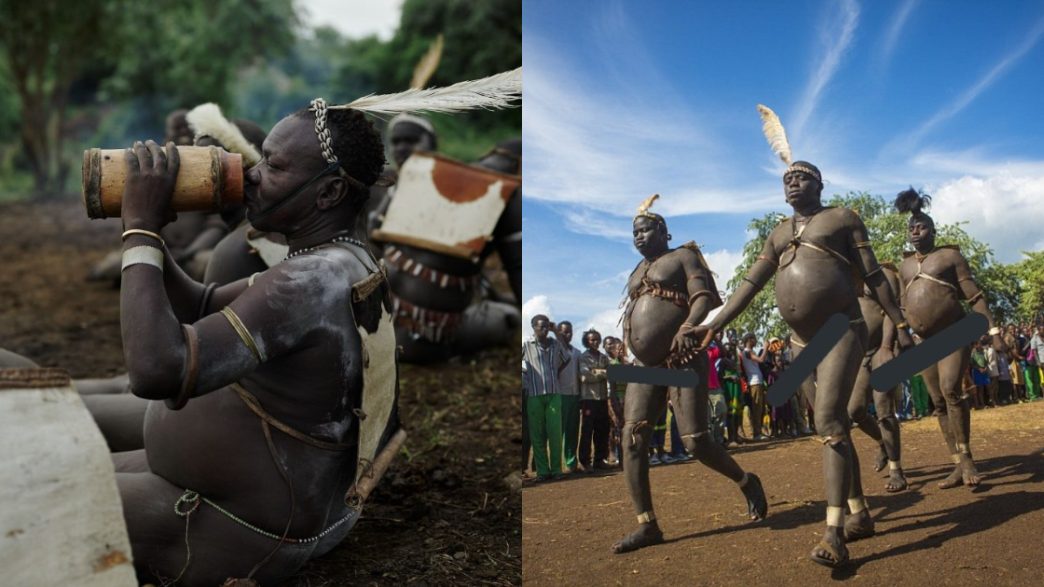
The Bodi community preserves one of Southern Ethiopia’s most unique cultural traditions through the annual Ka’el ceremony, which celebrates the vitality of their grazing lands during the rainy season. For up to six months leading up to the festival, selected young, unmarried men make deliberate efforts to gain as much weight as possible. Within their culture, a large belly and robust frame represent power, beauty, and physical vitality.
SEE ALSO: The Ethiopian Woman Who Has Had No Food or Water in 16 Years (Doctors Confirmed) 
Ka’el Festival: Isolation, high-calorie diets fuel rapid weight gain
To achieve the desired physique, participants enter a period of relative isolation and drastically reduce their physical activity, abstaining from manual labour and sexual activity. They consume a high-calorie diet consisting exclusively of fresh cow’s milk mixed with cattle blood. Similar to the Maasai of Kenya, the Bodi hold their livestock in high regard; they carefully extract blood from a cow’s vein without harming the animal, sealing the wound with clay afterwards.
SEE ALSO: Why Kenya’s Maasai People Drink Blood and Milk
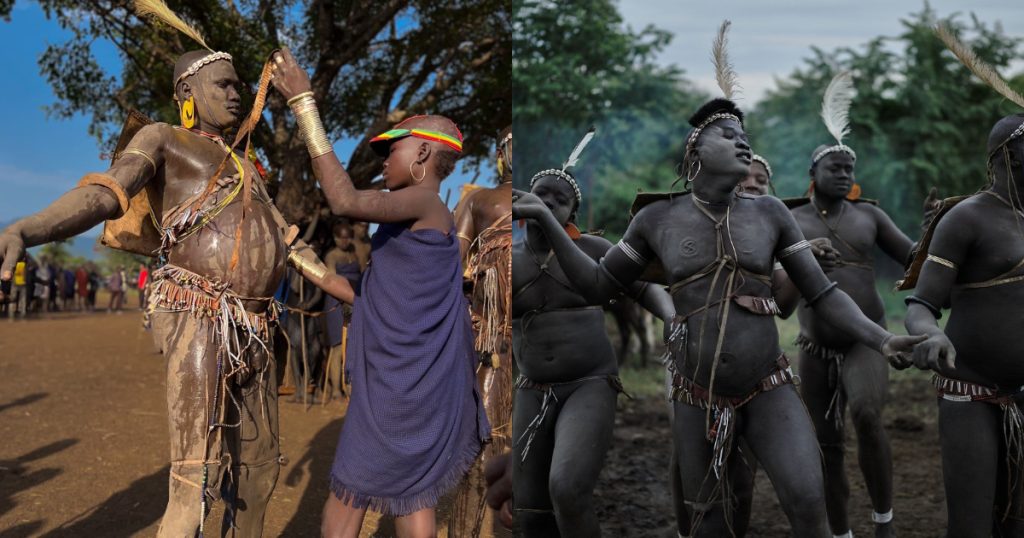
Community crowns the most impressive physique
When the festival arrives between June and July, the entire community gathers to honour the men. Adorned in traditional decorations and smeared with clay, the participants present their transformed bodies while the community sings, dances, and evaluates their progress.
The man who achieves the most significant weight gain earns immense respect and lasting prestige for the entire year. Although the winner receives no material prize beyond this high honour, the recognition remains a lifelong point of pride before the men return to their typical daily routines and baseline body sizes.
To outsiders, the rapid physical transformation may appear extraordinary. Within the Bodi culture, however, the practice represents a deep commitment to identity, community bond, and ancestral heritage passed down through generations.

About The Author