



The Nigeria Labour Congress (NLC) plans to reopen talks with the Federal Government over the national minimum wage. However, the union says N70,000 no longer meets workers’ needs.
Meanwhile, the Network of Abuja Left Groups supports the demand for a N500,000 minimum wage. The group also urged Nigerians to support organised labour.
Furthermore, it warned that ignoring workers’ concerns could deepen economic hardship across the country. 
NLC says N70,000 wage no longer sustainable
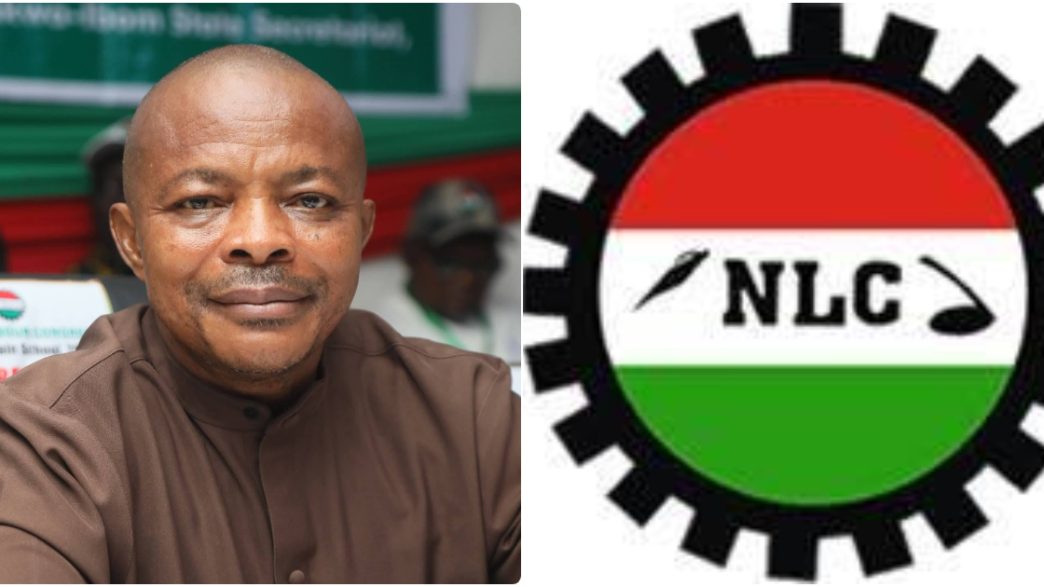
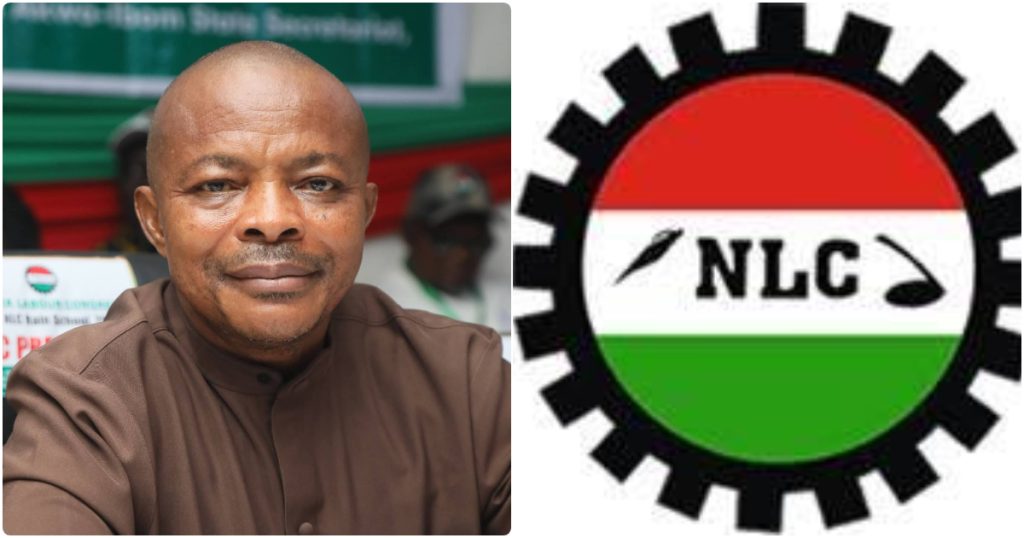
Speaking at the Rights of Workers Summit in Birnin Kebbi, Kebbi State, NLC President Joe Ajaero urged workers to prepare.
According to Ajaero, labour will soon begin another round of negotiations with the Federal Government.
However, NLC Deputy President Audu Amba represented Ajaero at the summit.
Ajaero argued that rising living costs have made the current minimum wage inadequate. Consequently, workers struggle to meet their basic needs.
He said:
“Anything less than N500,000 cannot cater for workers. The current minimum wage is due for review, and we will soon begin negotiations with the government.”
TUC supports NLC, highlights rising cost of living
The Trade Union Congress (TUC) President, Festus Osifo, also supported calls for higher wages.
However, TUC Secretary-General Nuhu Toro represented Osifo at the event.
He explained that inflation and rising prices have weakened workers’ purchasing power. Meanwhile, food, transport and accommodation costs continue to rise.
Osifo also urged employers to obey labour laws. Additionally, he called for fair wages and better welfare for workers.
Kebbi State Governor Nasir Idris also backed improved remuneration for Nigerian workers.
He said:
“We must work together to improve the welfare of workers. As a member of the Governors’ Forum, I will support efforts to secure better remuneration for them.”
READ ALSO: How Much Does It Cost to Feed a Family of 4 in Lagos? (2026)
Abuja groups back N500,000 minimum wage
The Network of Abuja Left Groups urged Nigerians to support the minimum wage demand.
The group said the debate extends beyond public workers and government negotiations. Instead, it described the issue as a broader fight for economic survival.
Furthermore, it linked decent wages with workers’ dignity and improved living conditions.
The coalition also urged FCT residents and Nigerians nationwide to support labour before the August 11 deadline.
Six civil society and socialist organisations signed the statement supporting the wage demand.
They included the Creative Change Centre and Anti-Imperialist Nigeria.
Omole Ibukun signed for the Creative Change Centre, while Akande Daniel represented Anti-Imperialist Nigeria.
Higher wages could strengthen the economy
The coalition argued that higher wages could strengthen the wider economy. In particular, better incomes could increase workers’ purchasing power.
As a result, farmers, traders and transport operators could attract more customers. Artisans, landlords and small businesses could also benefit from increased consumer spending.
The group further highlighted the rising prices of essential goods and services.
These include food, transportation, electricity, cooking gas, rent, medicines and school fees.
Consequently, these increases have significantly reduced the value of workers’ earnings.
The coalition therefore called for a minimum wage review to address rising living costs.
It argued that better wages would help workers maintain a decent standard of living.

About The Author