


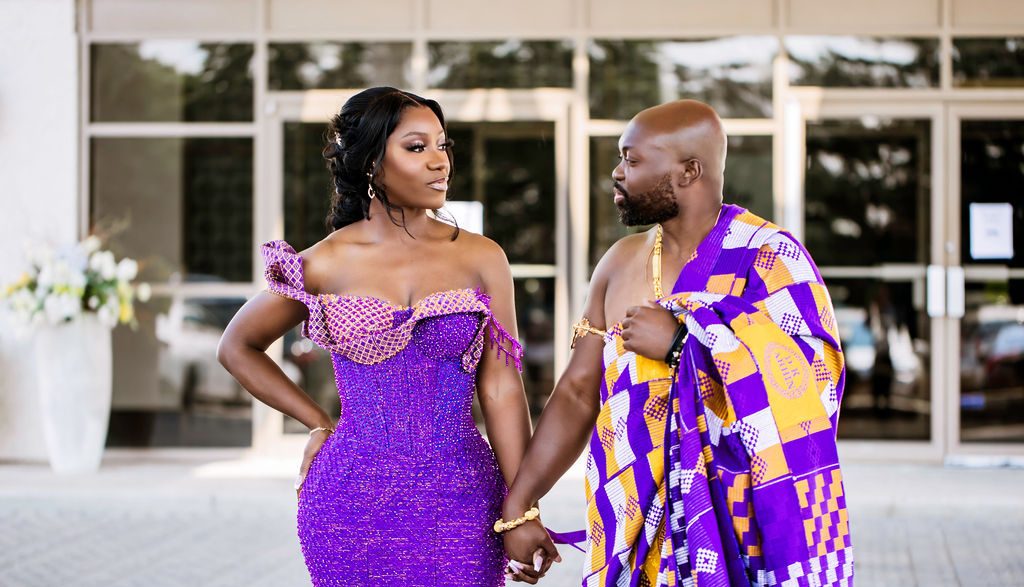
In Ghanaian traditional marriage ceremonies, particularly among Akan groups like the Ashanti, the bride is required to say “Yes” three times. Usually, her father or an elder asks if she accepts the gifts brought by the groom’s family and agrees to the marriage. She then responds “Yes” three times.
Far from being a simple repetition, this ritual reflects deep-rooted values surrounding consent, respect for both families, and public affirmation.
SEE ALSO: ‘You May Kiss the Bride’? Not in The Apostolic Church Ghana – Here’s Why 
Why Three Times?
To Confirm Uncoerced Consent
According to Weddors, the bride says “Yes” thrice to demonstrate that she is entering the marriage of her own free will, rather than under pressure from family or circumstances.
In the Akan tradition, where arranged or family-influenced unions were historically more common, this public declaration protects the bride’s agency and ensures the union is not forced.
It also serves as proof to both families, elders, and witnesses that she understands the commitment and is not acting on impulse.
Symbolic Emphasis in Ghanaian (Especially Akan) Culture
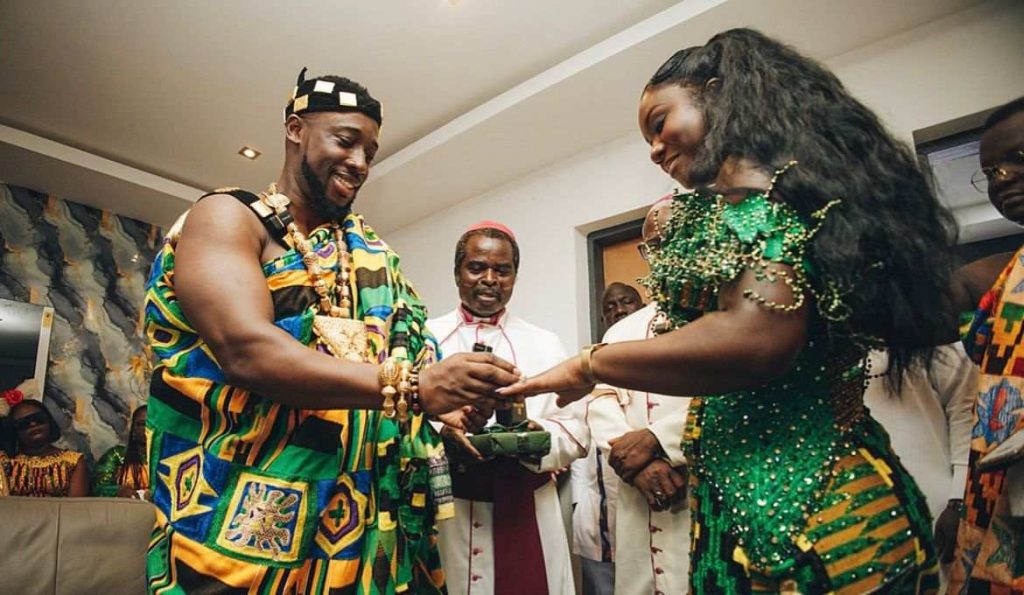
In many African traditions, the number three is significant because it represents completeness or makes a transition official. In weddings, saying “Yes” three times publicly confirms the marriage in front of the entire community. If the bride says “No” at any point, the process stops; thus, her voice truly matters.
This tradition usually occurs after the groom’s family has officially introduced themselves (a rite called Kokooko), presented their gifts, and the bride has joined the gathering. This marriage rite often includes celebratory dancing and playful moments.
Once she says “Yes” three times, the families proceed with libations, sharing food, and celebrating the union of the two households.
This custom is still practiced in many modern Ghanaian weddings alongside church or civil ceremonies.
The combination effortlessly blends ancient tradition with contemporary celebrations. It also emphasises core values like family involvement, respect, consent, and community witnessing.
Ultimately, the bride saying “Yes” thrice underscores how Ghanaian traditional marriages join not just two people, but two families, in a union where the bride’s voice is paramount.

About The Author