A country’s average life expectancy or high mortality is the number of years a person lives on earth. It reflects the combined effects of healthcare systems, economic development, quality of life, and other factors that influence general well-being.
Life expectancy varies significantly between high-income and low-income nations worldwide, according to World Bank data. The African continent contains 24 of the top 25 countries with the lowest life expectancy, and many of them also rank among the world’s least developed.
The following are the top ten African countries with the lowest life expectancy. 
1. Nigeria – 54.5 years
Nigeria ranks among the countries with the lowest life expectancy because many deaths still occur from preventable causes, especially among infants, mothers, and young children, which lowers the national average. Pregnancy and childbirth complications continue to cause many avoidable deaths due to limited emergency care and a shortage of skilled health workers. Many Nigerians, especially those in rural areas, lack access to proper hospitals, medications, and emergency care.
2. Chad – 55.1 years
A large proportion of the population suffers from malnutrition, which weakens immunity and increases the risk of death from diseases. Many people lack access to safe drinking water and proper sanitation, which leads to deadly diseases like cholera and diarrhea. Chad has few hospitals, a limited number of healthcare workers, and poor access to vaccines, medications, and emergency supplies.
3. Lesotho – 57.4 years
Lesotho records one of the highest HIV infection rates in the world, which increases deaths among young adults and reduces life expectancy. Pregnancy and childbirth complications claim the lives of many women, while child mortality remains high. Poor access to safe water and sanitation worsens diarrheal diseases and infections, especially in rural communities.
4. Central African Republic – 57.6 years
Years of armed conflict have destroyed infrastructure, displaced people, and disrupted healthcare delivery. Most people live in poverty, which limits access to food, medicine, and basic services. The country lacks sufficient hospitals, medical personnel, and supplies, and many facilities do not operate fully.
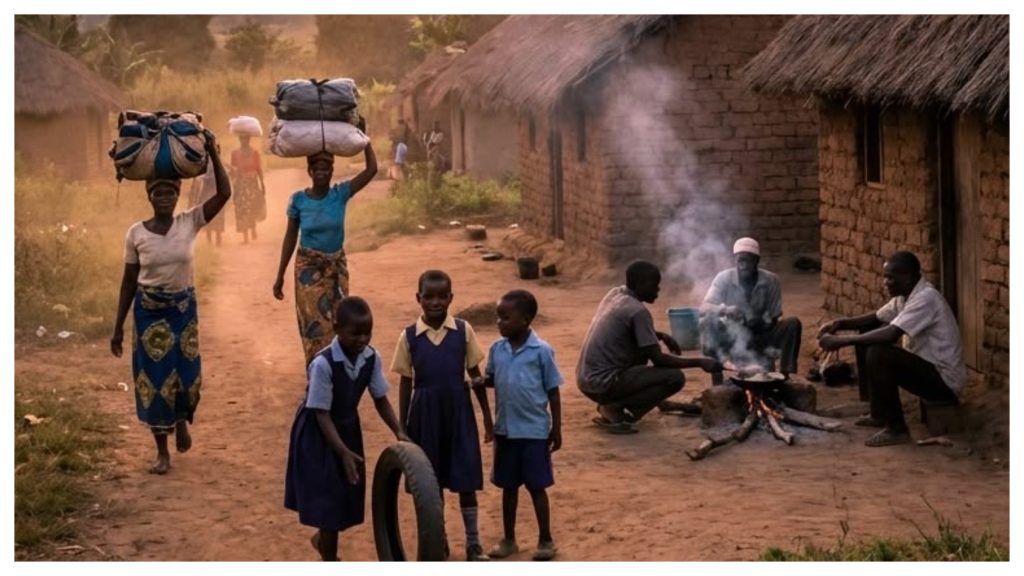
5. South Sudan – 57.6 years
A large proportion of the population lives in poverty and faces hunger and malnutrition. Many people, especially those in rural areas, lack access to hospitals, medicines, and trained health workers. These conditions continue to reduce life expectancy across the country.
6. Somalia – 58.8 years
Somalia records low life expectancy due to long-term conflict, weak health systems, widespread poverty, and a high burden of preventable diseases. Lack of clean water and frequent droughts trigger cholera and diarrhea outbreaks.
ALSO READ: 5 African Countries With the Highest GDP in 2026
7. Mali – 60.4 years
Poverty affects a large part of Mali’s population and limits access to food, healthcare, and decent living conditions. Armed conflict in northern and central Mali disrupts healthcare services, displaces communities, and increases mortality. Many children die before age five from preventable diseases such as malaria, pneumonia, diarrhea, and malnutrition.
8. Guinea – 60.7 years
Guinea remains a low-income country where many people lack access to proper nutrition, clean water, and healthcare, which increases disease vulnerability. Malaria, tuberculosis, diarrhea, and respiratory infections rank among the leading causes of death. Healthcare services remain limited, especially in rural areas, due to a shortage of medical personnel, equipment, and treatment access.
9. Benin – 60.8 years
Malaria, diarrhea, pneumonia, and HIV/AIDS rank among the leading causes of death in Benin. Many people lack access to adequate nutrition, clean water, and healthcare. These combined factors keep life expectancy below the global average.
10. Burkina Faso – 61.1 years
Burkina Faso continues to face high illness and death rates, and insecurity limits access to healthcare. The crisis affects nearly 31% of healthcare facilities, while 17.7% remain completely closed. Limited access to vaccination, emergency care, and support for pregnant women and survivors of gender-based violence worsens the situation. Healthcare facilities remain scarce and concentrate mainly in cities, which leaves rural populations with limited options. Poverty and recurring droughts drive food insecurity and malnutrition, especially among children.

About The Author