


South Africa has been importing water from Lesotho for nearly 30 years (since 1998). The Lesotho Highlands Water Project (LHWP) is Africa’s largest water transfer scheme, established under a long-standing 1986 treaty between Lesotho and South Africa.
The ongoing project allows South Africa to import large volumes of high-quality water from Lesotho’s highlands via gravity-fed dams and tunnels. This supply is vital for South Africa’s water-stressed Gauteng province, which includes Johannesburg and Pretoria.
In return, South Africa pays royalties to Lesotho, turning water into one of the landlocked kingdom’s most valuable national assets. 
SEE ALSO: Violence Rises in South Africa Over Anti-Nigerian Protests
Why South Africa Imports Water From Lesotho
South Africa buys water from Lesotho primarily due to geography, water scarcity, and long-term resource planning.
- Water Scarcity: South Africa is a naturally dry country, ranking among the 30 driest nations in the world. Economic hubs like Pretoria and Johannesburg are particularly arid and lack sufficient local water sources to supply their massive populations and industries.
- Lesotho’s Geography: Lesotho is a mountainous “water tower.” It receives high rainfall and is home to high-altitude rivers like the Senqu (Orange) River, making it easy to store and transfer water using gravity. The close proximity between the two countries makes this transfer highly efficient.
- Mutual Benefit: South Africa secures a reliable water supply, while Lesotho benefits from steady revenue and the hydroelectric power generated by the dams. This deal is one of Lesotho’s largest sources of income and energy.
- Cost-Effectiveness: For South Africa, transporting water from Lesotho is more cost-effective than alternatives like desalination or building massive new infrastructure entirely within its own borders.
How the Payments Work
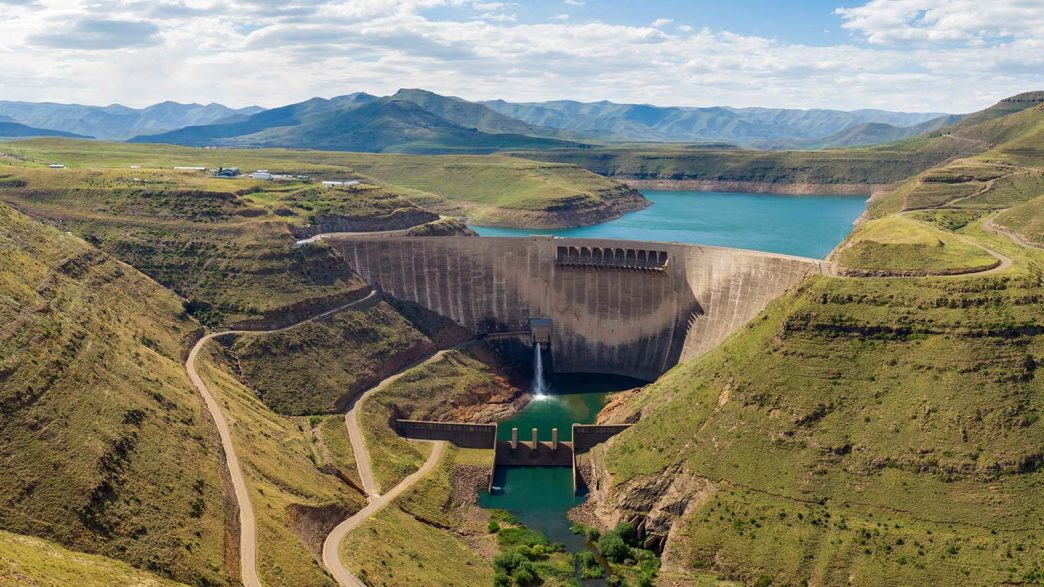
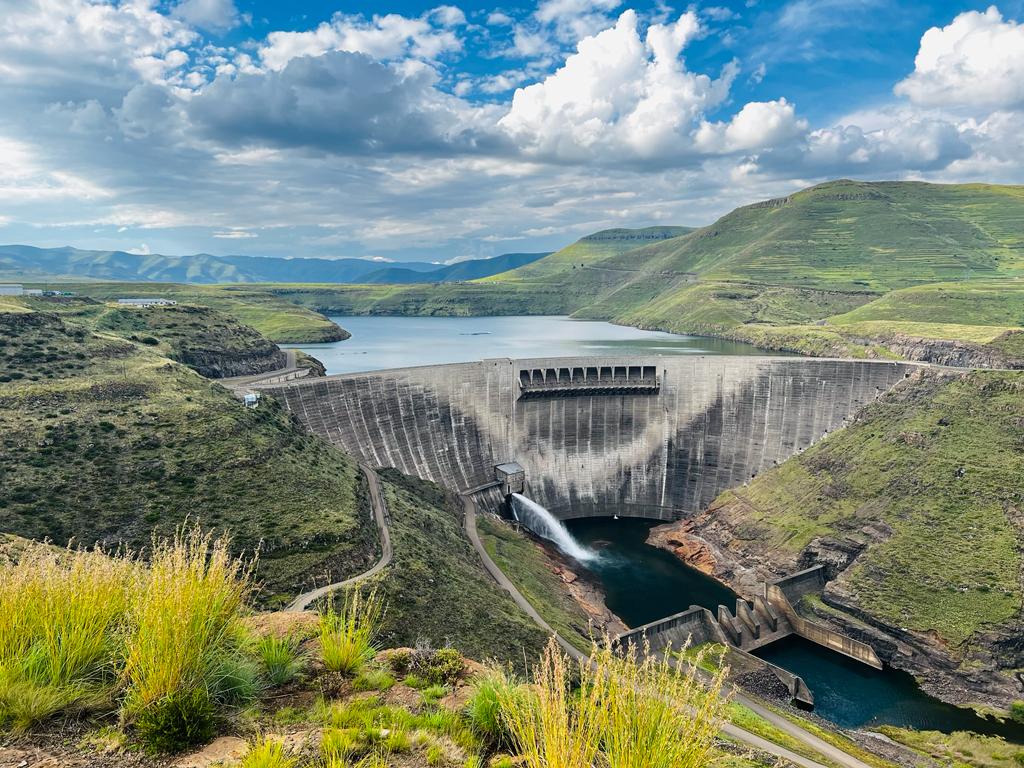
Large dams in Lesotho including Katse and Mohale, which comprise Phase 1 of the LHWP, send water through tunnels to South Africa’s Vaal River system. This delivers approximately 800 billion liters annually, accounting for roughly 60% of Johannesburg’s water supply.
South Africa pays Lesotho royalties based on the volume of water delivered. These funds are collected from local water users in South Africa.
Lesotho now earns over $300 million annually. These payments have risen sharply in recent years due to increased volumes and price recalculations. This revenue accounts for roughly 10–15% of Lesotho’s government revenue and more than 10% of its overall economy, a significant figure for a country with a GDP of just over $2 billion that is otherwise heavily reliant on textiles and diamonds.
South Africa Wants More Water, Lesotho Wants More Money
South Africa is currently facing a serious water crisis in Gauteng due to population growth, pollution, aging infrastructure, and climate change. To address this, the LHWP is expanding into Phase 2, which includes the construction of the new Polihali Dam.
This expansion is expected to increase the water supply to over 1 billion cubic meters per year by 2028–2030.
However, Lesotho is seeking a “better deal,” which translates to higher payments. The Lesotho government argues that the original 1986 agreement (set to end in 2044) is outdated. Lesotho plans to renegotiate these payments in April 2026, seeking increased financial compensation and better support for the local communities affected by the project.

About The Author