


Not every young Nigerian who wants a creative career needs to become the face of a skit.
A film needs a production manager before the cameras roll. A song needs an engineer, a distributor and a manager after the artist leaves the studio. A fashion label needs pattern makers, photographers, stylists and people who understand sales. These jobs rarely dominate social media. They still keep the creative economy moving.
Nigeria’s creative economy includes film, music, fashion, publishing, visual art, advertising, gaming, events and cultural tourism. 
UNESCO has also identified skills development and youth employment as important parts of Nigeria’s creative-industry growth.
Film work starts before the camera
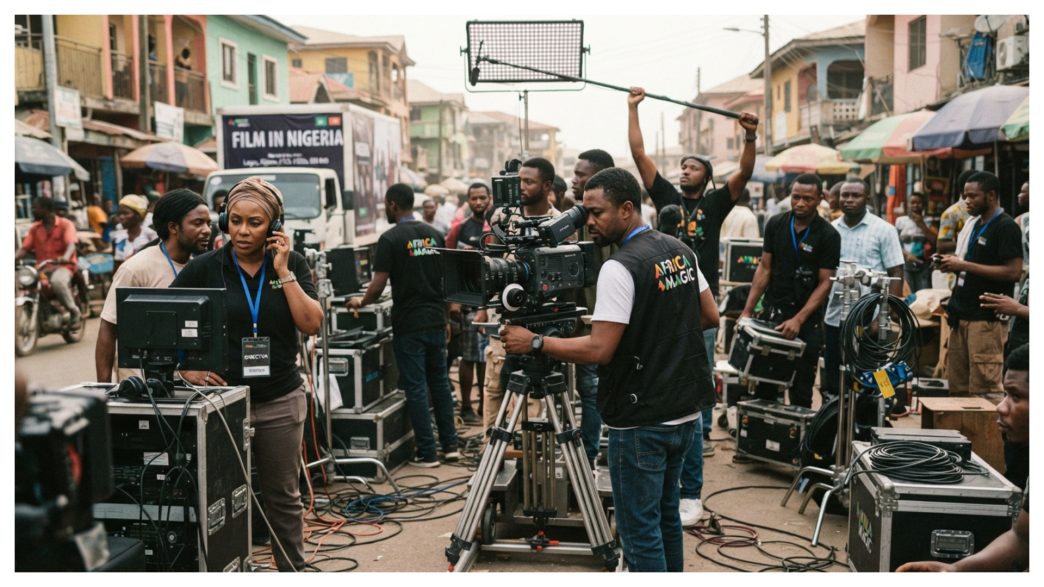
Film and television offer more career paths than just acting and directing.
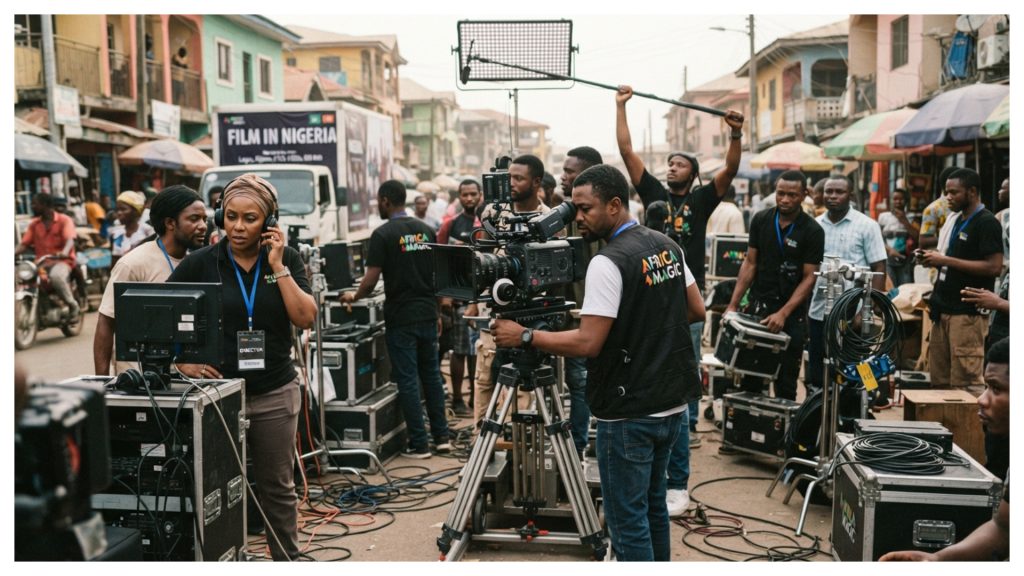
A production can employ a producer, line producer, production manager, assistant director, script supervisor, location manager, casting director and production assistant. It can also need a cinematographer, camera assistant, gaffer, lighting technician, sound recordist, costume designer, makeup artist and set designer.
The work continues after filming. Editors, colourists, sound designers, subtitle writers, visual-effects artists, animators and quality-control officers prepare a project for audiences.
Film distributors, festival programmers, cinema staff and marketing teams then help the finished work find viewers.
A young person can enter this chain through an apprenticeship, a trainee role or a small production. A short film, documentary, wedding video or campus project can become the first item in a portfolio.
YOU MIGHT ALSO LIKE: Black Market: Nollywood Movie Breaks 2015 Guinness World Record With 51,000 Viewers in Lagos
Music needs business and technical skills
The music industry also depends on people who do not perform on stage.
Songwriters, beatmakers, music producers, recording engineers, mixing engineers and mastering engineers shape the sound. A and R staff help labels find and develop artists.
Managers handle planning and negotiations. Booking agents arrange performances. Tour managers coordinate travel, venues and schedules. Music distributors deliver songs to streaming services, while publishing and royalty specialists track who should get paid.
Publicists, playlist strategists, photographers, videographers and graphic designers help artists present their work. These roles suit young people who enjoy music but do not want to become singers.
Brands and events need creative operators
Every major campaign needs more than an influencer.
Copywriters develop the message. Graphic designers create visual assets. Motion designers produce animated content. Art directors shape the look of a campaign, while photographers and videographers produce the images.
Creative strategists study audiences and turn ideas into campaigns. Social media and community managers handle daily communication. Brand-partnership officers connect companies with suitable artists, events and platforms.
The events industry offers another route. Event producers, stage managers, lighting technicians, sound engineers, ticketing officers, set builders, ushers and hospitality teams all contribute to a successful show.
Young people can gain experience through concerts, fashion shows, exhibitions, weddings, conferences and film premieres.
ALSO SEE: Top 12 Nigerian Instagram Skit Makers in 2026
Fashion, animation and design offer other paths
Fashion careers include garment construction, pattern making, tailoring, styling, merchandising, fashion buying, textile design and product photography.
Beauty professionals can build careers in makeup, hairstyling, nail artistry and wig production. Craftspeople can work with leather, beads, textiles, wood, metal and other materials.
Digital design creates more options. Young Nigerians can train in animation, 3D modelling, visual effects, illustration, user-experience design, game design and virtual production.
Publishing also needs editors, proofreaders, illustrators, book designers, literary agents, rights managers and distributors.
The creative economy needs professionals behind the business
Creative projects need structure if they must become sustainable businesses.
Accountants track income and costs. Lawyers negotiate contracts and protect intellectual property. Business-affairs officers manage licences and rights. Grant writers prepare funding applications. Researchers develop stories and document audiences.
Human-resources officers, operations managers, data analysts and insurance professionals also support creative companies.
The Federal Government’s iDICE programme targets Nigerians aged 15 to 35 and includes support for technology and creative-economy businesses. The State House has also announced plans for a creative-sector fund in 2026. Young people should check official updates instead of relying on social-media claims about grants.
How to be a part of the creative economy
Choose one skill before chasing every opportunity. Learn the tools that professionals in that role use. Build three to five strong samples and keep a record of your credits.
Start with small projects, but treat the work seriously. Agree on fees, deadlines, ownership and usage rights before production begins. Learn basic copyright, budgeting, invoicing and client communication. Then find people already working in the field. Attend workshops, volunteer at festivals, join professional communities and ask for practical feedback.
The creative economy does not need only more people in front of the camera. It needs people who can make projects better, organise teams, protect rights, reach audiences and keep businesses running.
That is where many of the industry’s long-term careers will grow.
READ ALSO: 6 Major Film Villages in Nigeria Driving Nollywood’s Growth

About The Author