




When people talk about exports, the assumption is simple: if a country produces it, it can sell it to other countries, in Nigeria, that’s not always the case.
Over the years, the Nigerian government has banned or restricted the export of certain goods, sometimes to protect local industries, sometimes to prevent scarcity, and other times to safeguard the environment.
In other cases, it isn’t Nigeria doing the banning, but foreign governments shutting their doors to Nigerian products. 
Here are Products The Nigerian Government Has Banned and Why
1. Shea Nut
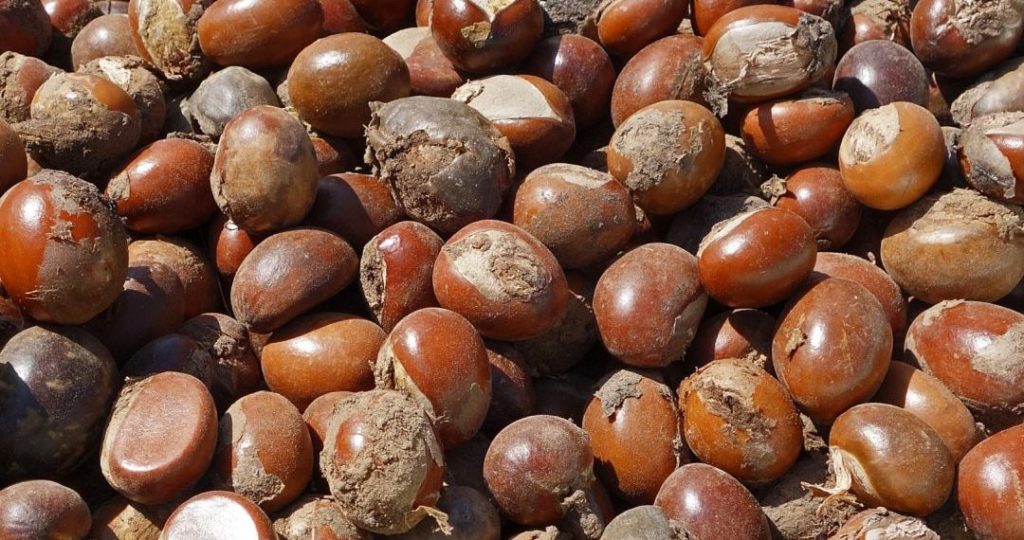
The administration of President Bola Tinubu placed a temporary ban on the export of raw shea nuts in 2025. This decision was later extended for one year and is to be lifted on February 27 2027.
The reason was straightforward: Nigerians should stop exporting raw shea nuts and start exporting processed products like shea butter instead.
By keeping the raw material in the country, the government hopes to encourage local processing and create jobs, especially in rural communities where shea nuts are largely harvested, and earn more foreign exchange from finished goods rather than raw commodities.
2. Maize
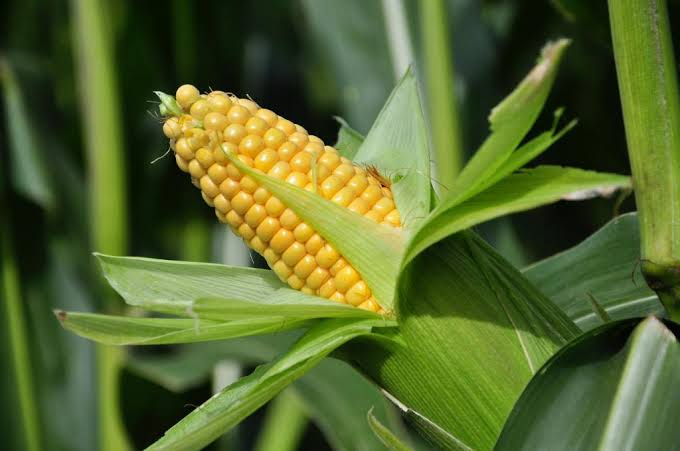
Nigeria has also restricted the export of maize at different times, particularly during periods of food inflation and supply pressure.
The restrictions were enforced by the Nigeria Customs Service under federal government directives.
Maize is a major component of poultry feed, and when exports surged, local prices rose sharply. Poultry farmers complained, and food prices climbed. The government then stepped in to protect domestic supply. The logic is to feed Nigerians first before selling abroad.
3. Timber and Raw Wood
The Nigeria Customs Service, acting on federal trade and environmental policies, banned the export of timber and raw wood.
According to them, the ban is for environmental protection, to curb deforestation, and to encourage local processing of wood rather than shipping out raw logs.
Just like the shea policy, the goal is to export finished products, not raw materials.
4. Raw Hides and Skins
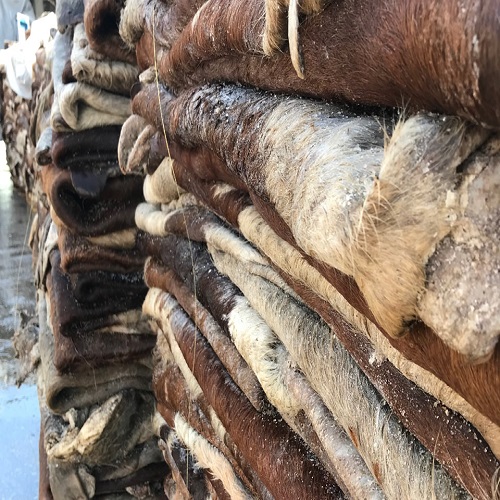
At different points, Nigeria has restricted the export of raw hides and skins; a product that directly affects the local leather industry.
When hides are exported in raw form, local tanneries struggle to access supply, and prices increase domestically. According to the government, processing leather locally creates more job opportunities.
ALSO READ: Nigeria is the World’s Biggest Producer of these 7 Products
5. Scrap Metal
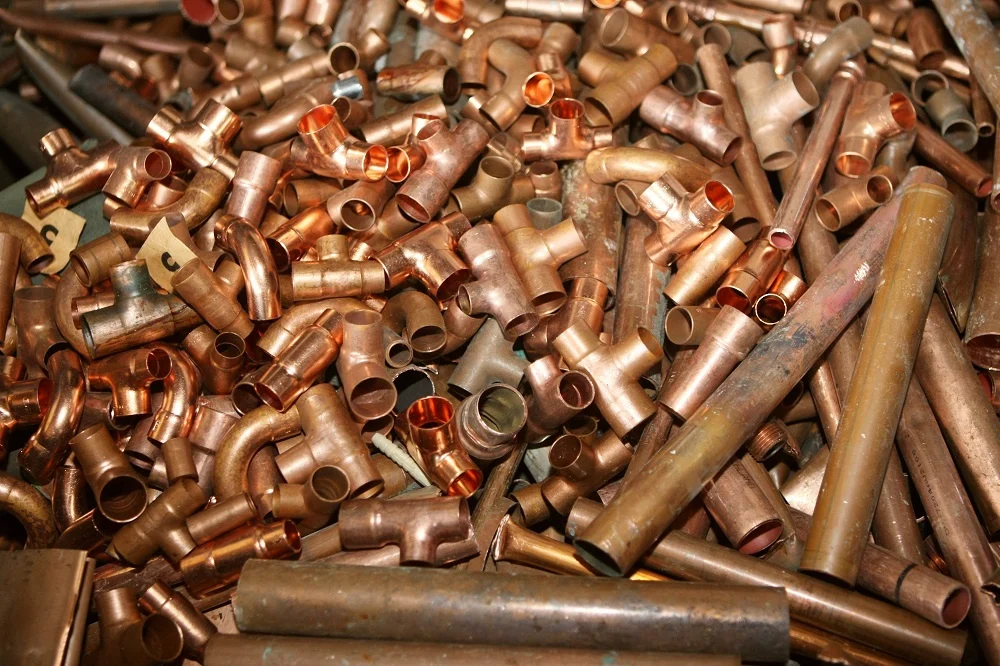
In June 2023, the Minister of Industry and Trade published ministerial decree No. 047/Mic/DC/Dce/Sa 010, banning the export of scrap metal. Scrap metal exports were restricted when infrastructure vandalism and theft of public assets became a national concern.
6. Unprocessed Rubber
The restriction, enforced by the Nigeria Customs Service under federal trade policy, is meant to encourage local value addition. Instead of exporting raw latex and rubber lumps, the government wants them processed within Nigeria into higher-value products before being sold abroad.
The European Union has also repeatedly banned certain Nigerian agricultural exports, especially beans, due to excessive pesticide residue levels that violate EU safety standards.
This has resulted in millions of dollars in annual losses for Nigerian farmers and exporters.
However, export bans are rarely random. They usually signal that a government is trying to solve a problem like food scarcity, inflation, environmental damage, industrial underdevelopment, or security concerns.
Even though bans also come with consequences, such as farmers losing foreign buyers, traders losing revenue, and smuggling sometimes increasing, Nigeria’s export ban is intended to protect local interests, industrialise, earn foreign exchange, and manage inflation all at the same time. Sometimes, that means not everything produced in Nigeria is allowed to leave Nigeria, for the good of the economy.

About The Author