



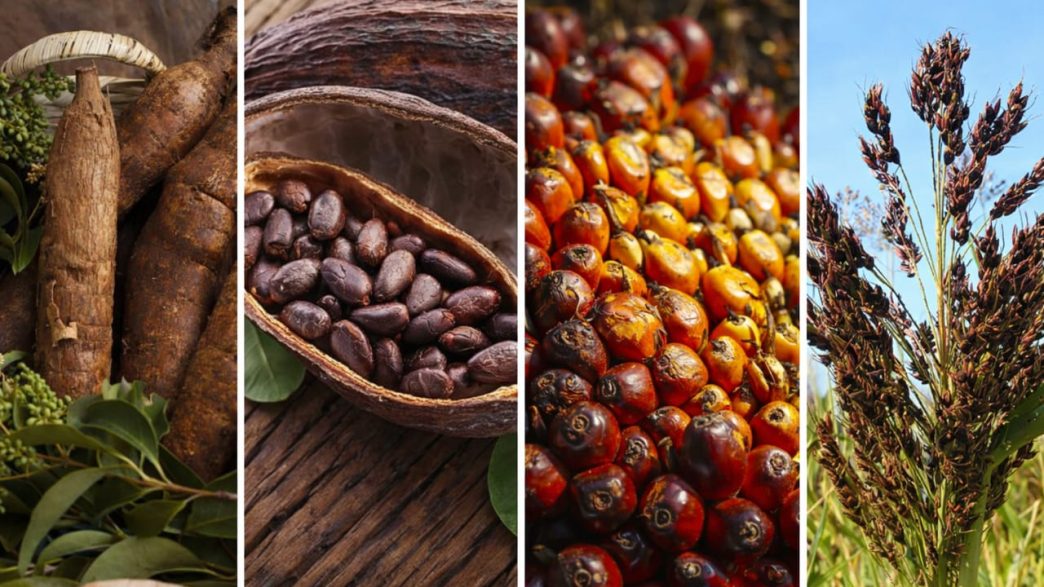
Nigeria is mostly known for its crude oil production, but what many people don’t know is that beyond crude oil.
The country is a global heavyweight when it comes to producing everyday products that feed people, power industries, and support the economy of the country.
Nigeria consistently ranks among the world’s top producers in several key categories. It’s quite a flex, and a big one at that. 
Here are some of the major products that place Nigeria firmly on the global production map.
1. Cassava
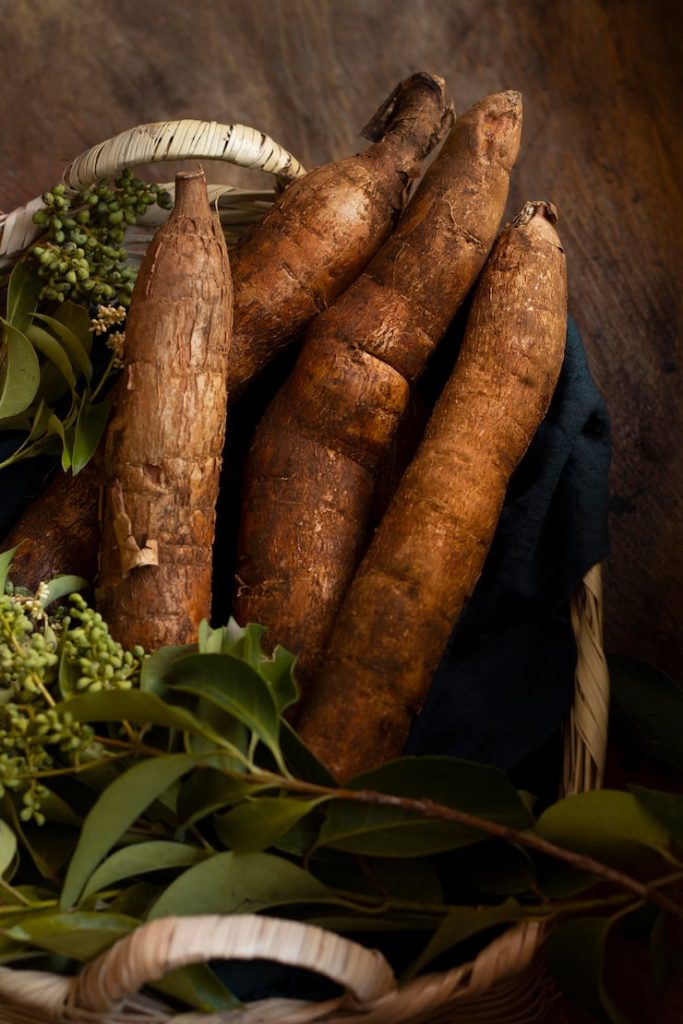
Cassava is one of Nigeria’s most widely grown crops. It is produced in 24 out of the country’s 36 states. States like Benue, Kogi, Delta, Anambra, Imo, Rivers, and Cross River lead the pack as the biggest producers.
Back in 1999, Nigeria produced about 33 million tonnes of cassava, and just ten years later, that figure jumped to roughly 45 million tonnes.
Currently the country produces 60 million metric tons. On average, farmers harvest about 10.6 tonnes per hectare. What really makes cassava special, though, is its versatility.
The crop has several varieties, some ready for harvest in as little as six months, while others can stay in the ground for up to three years. Once harvested, cassava can be processed into garri, tapioca, fermented to make fufu, or turned into flour. Cassava is a true multipurpose crop.
2. Yam
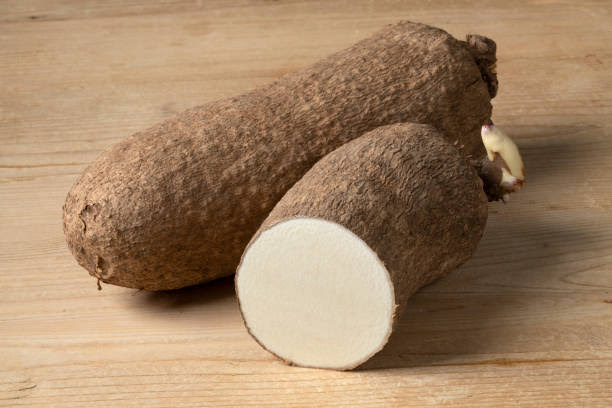
Most of the world’s production comes from West Africa, representing 94%, with Nigeria alone producing 71%, equalling more than 37 million tonnes.
Yam is one of the most eaten foods in the country. It can be boiled, roasted, baked, fried and even processed to make flour and pounded yam that is eaten with soup.
3. Cowpea
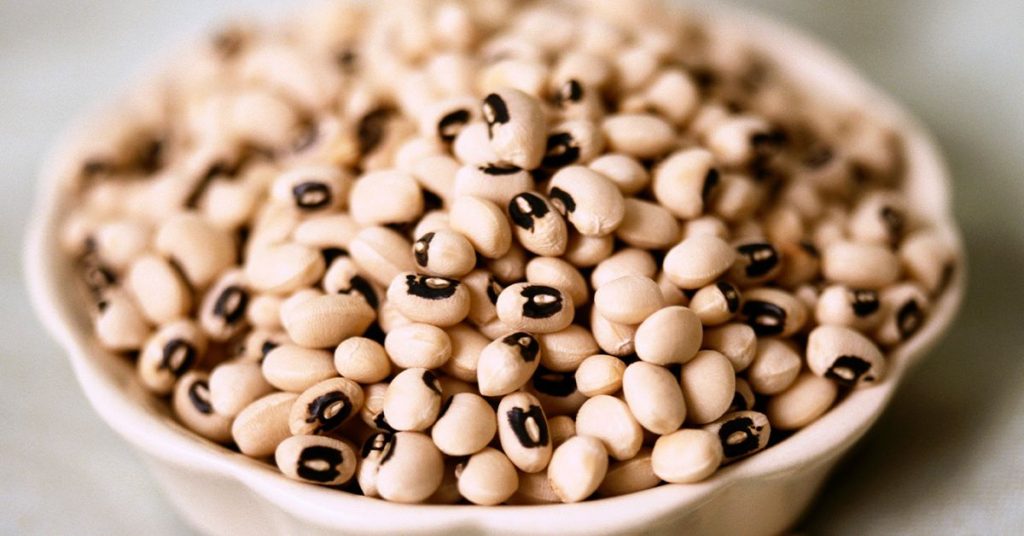
This is locally known as beans. Over five million pounds of dried cowpea are produced worldwide, and over 95% of that number are from Africa.
Nigeria is the largest producer of the crop, producing 6.8 million metric tonnes annually, with 60% of its harvest coming from Kano, Sokoto, and Borno states.
The grains contain 25% protein and several vitamins and minerals. The plant tolerates drought, performs well in a wide variety of soils, and, being a legume, replenishes low-fertility soils when the roots are left to decay.
It is grown mainly by small-scale farmers in developing regions, where it is often cultivated with other crops, as it tolerates shade. It also grows and covers the ground quickly, preventing erosion.
4. Sorghum
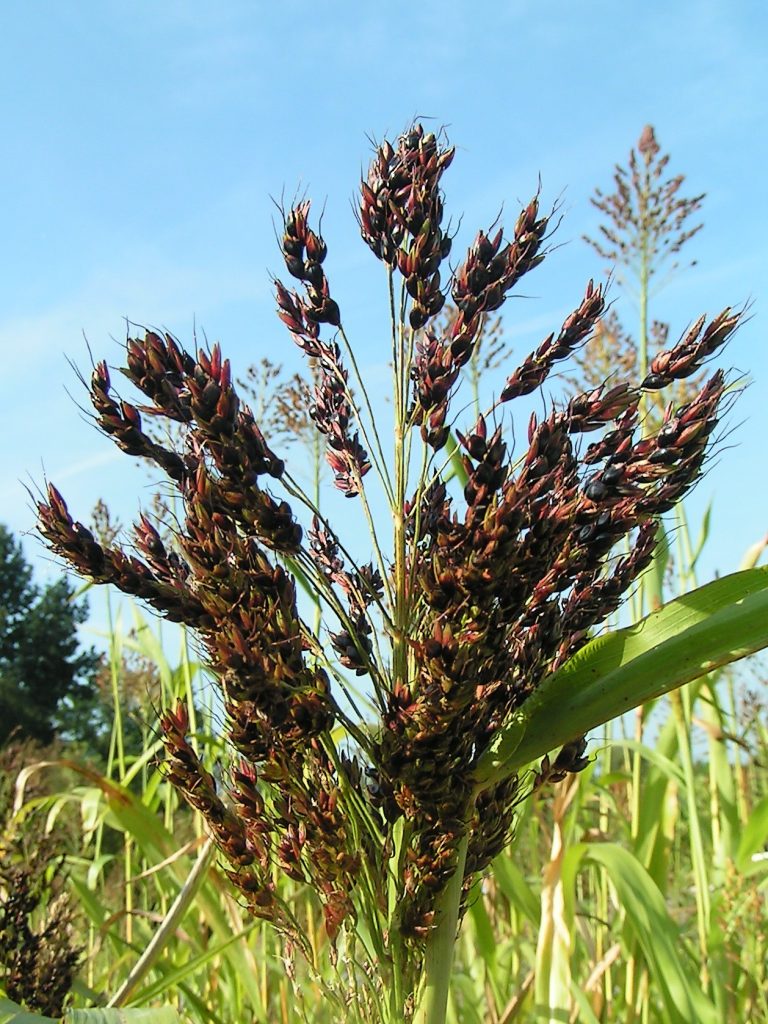
Sorghum is popularly known as Guinea corn or Dawa in Nigeria. Sorghum is the most important cereal crop in the northern part of the country. It is grown on about 5.6 million hectares in Nigeria, and the current annual production is 6.8 million tonnes.
The cereal crop only does well in the savannah belt of Nigeria, like Jigawa, Plateau, Benue, Kano, Katsina, Adamawa, Kaduna, Zamfara, Kebbi, and Borno states.
It is usually grown in the rainy season because of the availability of water to help in its growth.
5. Crude Oil
In terms of output, Nigeria’s average daily crude oil and condensate production for July 2025 was approximately 1.83 million barrels per day (mbpd), surpassing the OPEC quota of 1.5 mbpd.
At the heart of the Niger Delta, Akwa Ibom stands tall, pumping an impressive 504,000 barrels of crude oil every day.
6. Palm Oil
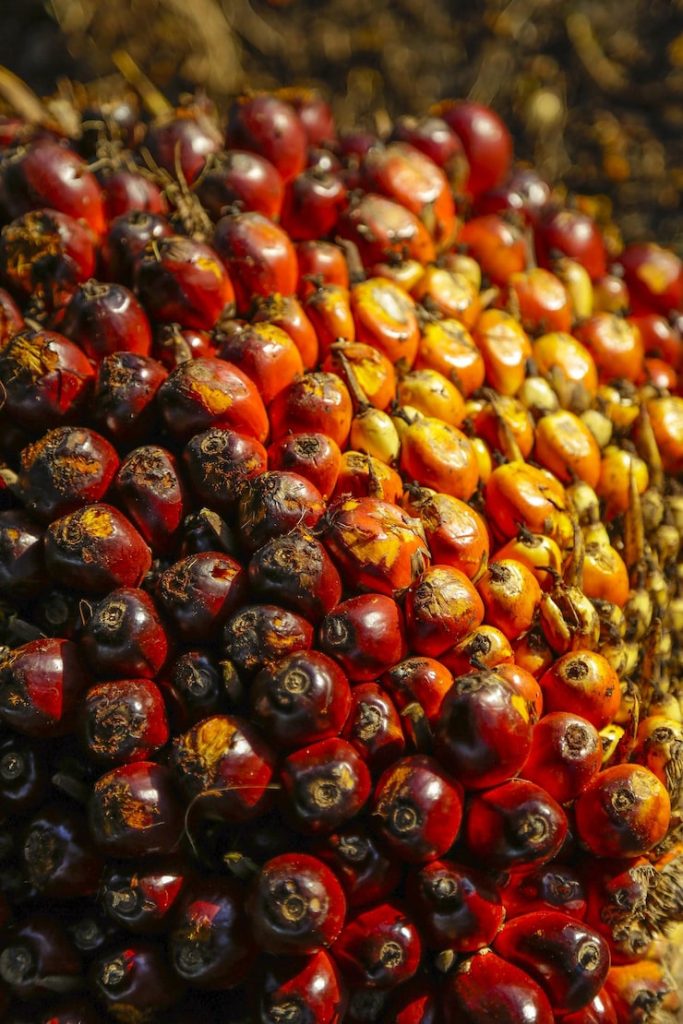
Palm oil remains the cheapest and most edible vegetable oil globally. The oil palm tree produces 4.95 tonnes of edible oil per hectare.
The oil can be used to make cooking oil, margarine, soap, candles, lubricating oil, drugs, detergent, and many others.
The top palm oil-producing states in Nigeria are Cross River, Rivers, Abia, Imo, Akwa Ibom, Delta, Anambra, Bayelsa, and Edo states.
7. Cocoa Beans
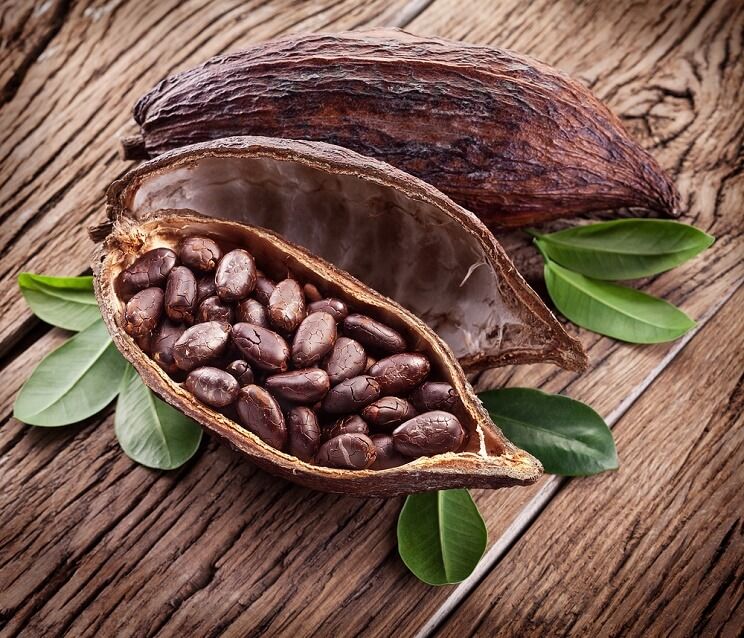
Cocoa is the leading agricultural export of the country, and Nigeria is currently the world’s fourth-largest producer of cocoa.
Nigeria produces 280 thousand metric tonnes annually. Cocoa beans can be used to make cocoa liquor, cocoa powder, and cocoa butter.
The major states that produce cocoa in Nigeria are Ondo, Cross River, Ogun, Akwa Ibom, Ekiti, Delta, Osun and Oyo states.

About The Author