



Things are looking so good with Ghana’s currency, it will soon exit its $3 billion IMF programme by April 2026.
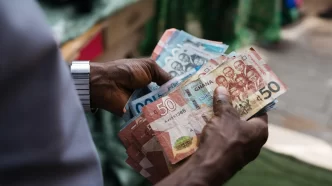
The Ghana cedi was Africa’s best-performing currency in 2025, according to the International Monetary Fund (IMF).
Bloomberg’s data also showed the cedi as the second-best-performing currency among the 144 tracked globally last year, surpassed only by the Russian ruble. 
The cedi appreciated over 40% against the US dollar; these gains are from Ghana’s macroeconomic recovery and strategic domestic policies with the goal of strengthening its currency.
The IMF report, which evaluates more than 20 major African economies, stated that the cedi has outperformed all other African currencies, surpassing those previously ranked higher by international news agencies and financial firms.
Ghana’s central bank significantly bolstered the country’s gross international reserves, which surged by 24% to reach $11.4 billion by October 2025, compared to earlier in the year, as reported by Bloomberg.
Why Ghana’s Cedi Is the Best-Performing Currency in Africa
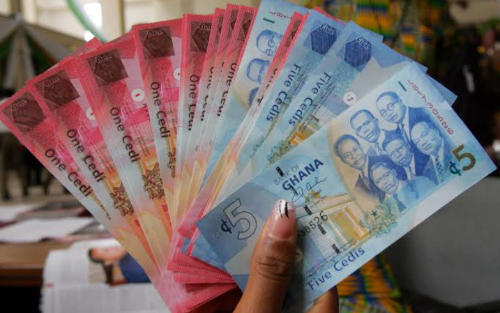
The currency’s positive performance is as a result of several key factors, like fiscal discipline, coordinated monetary policies, domestic resource strategies, and gold-backed interventions. These measures have fortified Ghana’s foreign exchange reserves and relaxed the external pressures on the cedi.
Analysts also identify the reforms and proactive policies by the Bank of Ghana as pivotal in achieving this turnaround.
ALSO READ: The Fugu Ghana’s President Wore That Got Zambians Talking
Ghana’s Reserve
This enhanced reserve status was instrumental in achieving a remarkable appreciation of the Ghanaian cedi.
The cedi experienced a major 41% increase against the US dollar, marking its first annual gain since at least 1994. By the end of 2025, Ghana’s international reserves had reached nearly US$14 billion, a significant buffer against currency volatility.
Ghana’s Gold
An important element in this stability has been the role of the Ghana Gold Board (GoldBod), which supported reserve strengthening, improved the formalisation of gold flows, and ensured greater retention of gold’s value within the Ghanaian economy.
GoldBod’s structured strategy to gold purchasing and refining, especially in the artisanal and small-scale mining sectors, has boosted foreign exchange inflows and improved traceability of gold revenues.
There is also a focus on transparent, state-supported mechanisms that have prevented revenue leakage through informal or offshore channels, further stabilising the cedi’s value.
In 2026, authorities are anticipated to implement more measures to solidify these gains through means like disciplined macroeconomic management and gold-led value retention for long-term economic growth and sustained currency stability.

About The Author