


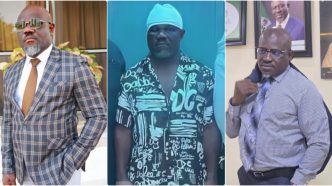
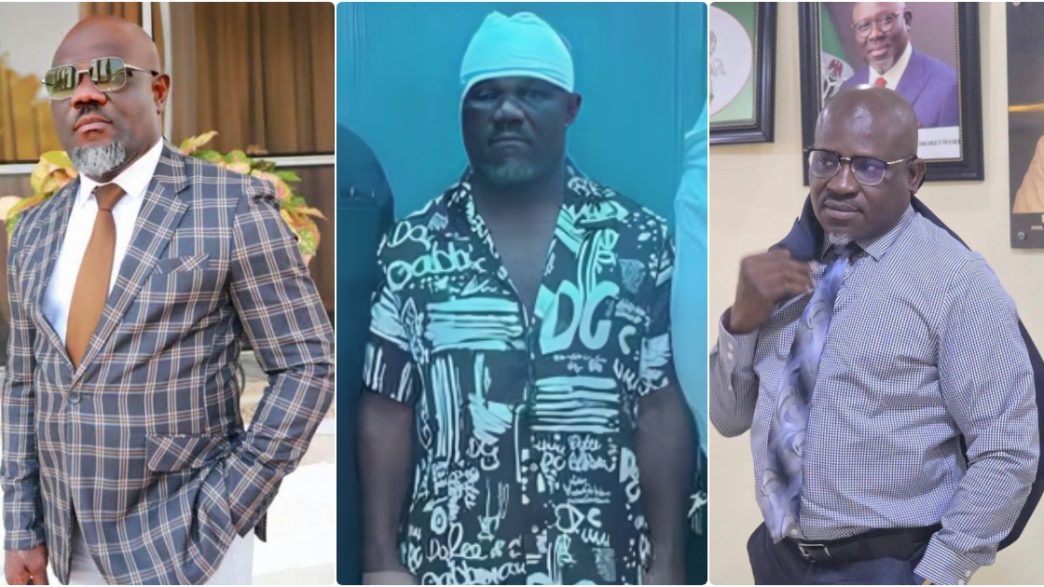
The suspension of Delta State Commissioner for Works (Highways and Urban Roads), Reuben Izeze, followed a violent clash at an All Progressives Congress (APC) stakeholders’ meeting in Effurun, Delta State.
NBG Africa reported that the July 26 incident left Governor Sheriff Oborevwori’s Senior Special Assistant on Protocol, Simon Mudi, popularly known as Temple, with a head injury.
Izeze denied involvement, saying he was not at the venue when the attack occurred. The governor, however, placed him on indefinite suspension after allegations linked him to the incident. A Delta State High Court sitting in Effurun also ordered his remand for 14 days over allegations including attempted murder and cultism. 
While the allegations remain subject to investigation and judicial determination, several factors have emerged around the political crisis.
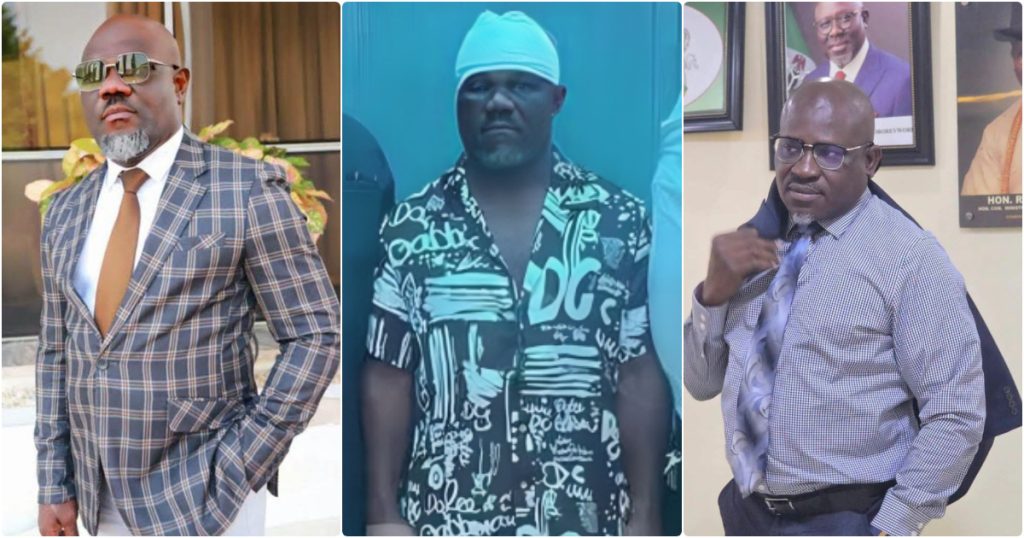
Why Oborevwori suspended Izeze
The Delta State Government announced Izeze’s indefinite suspension through the Secretary to the State Government, Kingsley Emu, saying the decision would allow an impartial investigation.
The decision came shortly after the High Court ordered Izeze’s 14-day remand, citing allegations of attempted murder and cultism.
Claims about the involvement of rival confraternities have also circulated. Sources who spoke to nbg.africa.com said Temple is affiliated with the Buccaneers cult, while Izeze is linked to the rival Black Axe group.
The violence prompted security agencies to investigate the incident.
READ ALSO: Festival Turns Controversial as Assault Claims Shake Delta State, Nigeria
Izeze vs Temple: Power tussle behind the crisis
A source in the state described the confrontation as the product of a struggle for political influence dating back about 15 years.
Both men hail from Ughelli South Local Government Area. The source said Mudi believed he entered politics before Izeze and saw himself as the pre-eminent political leader in the council area. That perception created tension over political hierarchy and influence.
Izeze, however, also has significant political credentials. Before becoming commissioner, he served two terms in the Delta State House of Assembly. Earlier, he served as Special Assistant on Student Affairs under the administration of former Governor James Ibori.
His appointment as Works Commissioner placed him in a powerful position within the state administration. He is also regarded as a major political force in Ughelli South, with both men said to command substantial grassroots followings.
Earlier confrontation before the assault
The latest clash followed an earlier confrontation involving the two camps within the party.
According to a source, Mudi confronted Izeze during an earlier visit by Governor Oborevwori to their local government. The confrontation became physical before Izeze’s men, led by one of his special assistants, intervened to ensure their principal was not injured.
The governor subsequently suspended Mudi and the Special Assistant to the commissioner, according to the source. The suspensions, however, did little to ease tensions between the rival camps.
This medium also learnt that the two politicians had vowed to confront each other at their next political gathering.
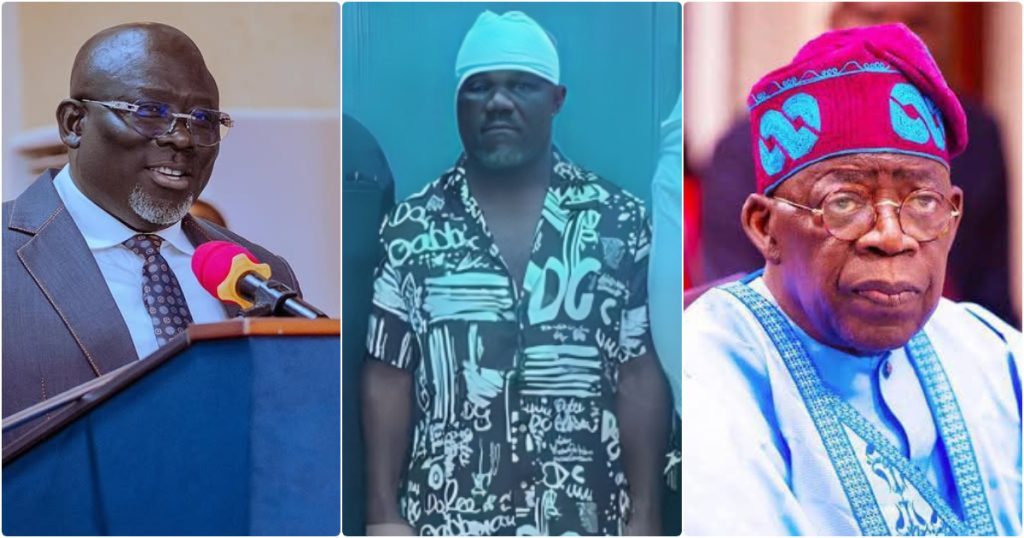
Photo: IG/sheriffoborevwori, X/ bayoonanuga
The violent clash
The crisis erupted during an APC stakeholders’ meeting at the Petroleum Training Institute Conference Centre.
The meeting attracted political stakeholders from Delta Central and surrounding areas.
According to eyewitness accounts, a confrontation occurred outside the main venue.
Mudi was attacked with stones, bottles and plastic chairs. The assault left him with injuries to the head.
He was later rushed to hospital, where he received treatment that left his head wrapped in bandages.
Wheelchair strategy failed to convince governor
With the existing political rivalry between the two men, Izeze was said to have anticipated that investigators would focus on him and sought to establish that he was nowhere near the scene of the attack.
On the day of the incident, he flew to Lagos in a wheelchair, citing sudden illness. He also recorded the episode at the airport and sent the video to Governor Oborevwori as evidence that he was out of the state.
An inside source, however, said the governor was not convinced by the explanation.
“The governor knew better because he keeps tabs on everyone,” the source said. “He had seen Izeze hale and hearty two days prior and immediately recognised the wheelchair move as a staged alibi. If the commissioner was that sick, he would have informed the governor before heading to Lagos for treatment.”
High-stakes politics forces Governor Oborevwori’s hand: The Tinubu factor
The incident quickly expanded into a wider political concern.
Mudi attended the APC event wearing a shirt bearing the image of President Bola Tinubu. Supporters of the National Democratic Party Congress (NDC) in the state were said to have started a narrative that Mudi was beaten because he was campaigning for Tinubu.
The narrative reportedly unsettled the Presidency, which sought an explanation from the governor over how someone campaigning for Tinubu could be assaulted at an APC event if the governor had the political situation in the state under control.
For Oborevwori, the incident created a difficult political situation. Having positioned himself as a major political force within the Delta State APC, he faced pressure to demonstrate control and prevent a local power struggle from escalating into a broader political crisis.
The intervention of the Inspector General of Police and the court’s order for Izeze’s 14-day remand heightened the pressure on the governor.
With allegations pointing towards Izeze’s camp, his suspension became the administration’s immediate response, while security agencies and the courts determine what happened and who should be held responsible.
The investigation and court proceedings will ultimately determine whether the allegations against Izeze have merit.
For now, the political rivalry, competing accounts and unresolved grievances continue to shape the controversy.

About The Author