



A scam link has sent to unsuspecting Nigerians posing as a Federal Road Safety Corps (FRSC) link. The message simply said there was a traffic fine to pay.
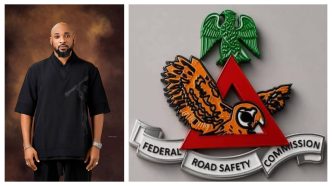
For Nigerian actor and filmmaker Adekanla Desalu, popularly known as Deza The Great, the amount was ₦2,500.
Desalu said he received an SMS claiming he had exceeded the speed limit. The message directed him to a website where he could supposedly settle the fine. It looked believable enough. 
He entered his card details, expecting to lose ₦2,500. Instead, he said $2,500 disappeared from his account.
“From ₦2,500 to $2,500 God abeg,” he later wrote while warning others about the scam.
Desalu was not the only person who fell for it.
Comedian MC Monica said he received a similar message asking him to pay ₦5,000 for an alleged traffic offence. He followed the link and made the payment. By the following morning, he said about ₦1.85 million had been withdrawn from his account.
Actress Eva Ibiam also raised the alarm after receiving a traffic offence message. She said she lost ₦365,000 after following the link.
These incidents have drawn attention to a phishing campaign impersonating the Federal Road Safety Corps. They show just how much online fraud has changed.
The bait no longer has to look extraordinary. Sometimes, ₦2,500 is enough.
Why would anyone fall for ₦2,500?
It is easy to read about an online scam after it happens and wonder how the victim missed the warning signs. But that ignores what makes this particular scheme convincing.
A traffic fine is ordinary.
Many motorists know they can receive penalties for speeding or other violations. A message saying you owe ₦2,500 or ₦5,000 does not immediately sound ridiculous.
There is also the need to resolve a small problem quickly. Someone demanding ₦500,000 would probably trigger suspicion. A ₦2,500 fine may instead produce a different reaction: pay it and move on.
That appears to be one of the strengths of the scheme. The small amount creates a sense of normality while the message creates urgency.
Then there is authority. The message does not claim to come from an unknown company. It presents itself as communication connected to a government road safety agency.
Putting authority, urgency, a believable offence and a relatively small payment — and even someone familiar with online fraud can make a mistake.
Desalu himself said he previously worked in banking and understood fraud prevention. Yet he admitted that he did not identify the fraudulent link this time.
These cases should probably end the comforting idea that only careless or technologically inexperienced people fall for phishing. Sometimes the scam just needs to look convincing enough.
The websites were designed to look real
An investigation by the Foundation for Investigative Journalism FIJ found fraudulent websites designed to resemble legitimate FRSC traffic offence platforms.
The sites used web addresses containing familiar combinations of terms such as “FRSC”, “gov” and “ng”.
Most people do not examine every character in a website address before opening it. A fake address can therefore look official at a glance while having no connection to the government agency it claims to represent.
FIJ went further by testing some of the websites. The investigation entered fake number plates into the platforms and still received supposed traffic offences.
In one test, a bogus plate generated a ₦10,000 penalty. The website then offered a 50 per cent discount for immediate payment. There was apparently no genuine traffic offence behind the demand. The website simply needed someone willing to believe there was one.
But how does ₦5,000 become ₦1.8 million?
This is perhaps the most disturbing question raised by the reported cases.
A person believes they are approving a payment of a few thousand naira. Much more allegedly disappears. The precise method used in each reported incident has not yet been established through a publicly available forensic investigation.
What is clear is that fraudulent payment pages can do much more than collect the small amount displayed on the screen.
Once victims enter card numbers, expiry dates, PINs, passwords, one-time passwords or other financial information into a website controlled by criminals, they may be surrendering the information needed to attempt other transactions.
Some sophisticated phishing operations can also operate in real time. Information entered by a victim can potentially be used while the person is still interacting with the fraudulent page.
That is why the amount written on a suspicious website should never determine how seriously you treat it. The danger is not necessarily the ₦2,500 displayed on the screen. It is the information you hand over while trying to pay it.
FRSC says the messages are fake
The Federal Road Safety Corps has now warned Nigerians about the scheme.
In a statement issued on September 16, the agency said it was aware of unsolicited messages claiming that recipients had committed new road traffic offences. FRSC said the messages direct people to deceptive websites created to imitate its digital platforms.
It specifically disowned the website frscgov.top/ng and said the address has no affiliation with the agency.
A website containing “frsc”, “gov” and “ng” can look convincing when viewed quickly on a phone. But the official FRSC website uses the Nigerian government domain frsc.gov.ng.
A few characters can be the difference between reaching a government service and handing your banking information to a stranger.
ALSO SEE: Don’t Get Exploited! Here Are 16 Road Offences in Nigeria and Their Fines
What motorists should do differently
The safest response to an unexpected traffic violation message is not to use the link contained in the message at all. Even if the message looks genuine, leave it.
Open your browser separately and visit the FRSC’s official platform yourself, or contact the agency through a verified channel to confirm whether the offence exists. The same habit should apply beyond FRSC.
If a bank sends a message asking you to resolve an account problem, open the banking app yourself. If a delivery company claims a parcel requires payment, find the company’s official website independently. If an electricity provider says you owe money, verify it through the provider’s normal platform.
In other words, do not allow the person sending the message to choose where you go to verify the message. That one habit can break a large part of the scam.
Website addresses also deserve more attention. frsc.gov.ng and an address containing something like frsc-gov may look similar on a small screen, but they are not the same website.
A padlock symbol is not enough either. HTTPS means the connection to a website is encrypted; it does not guarantee that the person operating the website is legitimate.
And an unexpected request for card PINs, passwords or other sensitive information should immediately raise suspicion.
If you have already entered financial information on a suspicious website, waiting to see what happens is risky. Contact your bank immediately, block or freeze the affected card where possible, change compromised credentials and report the incident.
Screenshots, SMS messages, transaction alerts and the fraudulent website address should also be preserved. They may become important when reporting the incident to a bank or law enforcement agency.
READ ALSO: How Much Are FRSC Fines? Here’s What Nigerian Drivers Need to Know

About The Author