


Has any African movie director ever won an Oscar? If yes, who did it, how did it happen, and why does the moment still matter?
Yes, there has been one African movie director Oscar win. But the bigger picture is more complicated. The backstory and rarity of this achievement in our current reality explain why the win matters to us.
Before that historic win, there were two Oscar-winning films with ties to Africa. But they were French co-productions. ‘Z’ was a co-production between Algeria and France. While ‘Black and White in Color’ involved the Ivory Coast and France. 
History tells us that these films came from France’s post-colonial ties with its former colonies. They benefited heavily from the influence of the French film lobby in Hollywood. Hence, they aren’t regarded as African cinema wins in the true, independent sense. Many critics describe them as being structurally European projects with African settings.
Our First Win Came in 2006
In 2006, South African director Gavin Hood won the Academy Award for Best Foreign Language Film with ‘Tsotsi.’ The film, shot in South Africa and rooted in township life, became the first non-French-language African film to win an Oscar.
That moment made Gavin Hood the only African movie director Oscar winner to date.
However, since 2006, Africa and African movie directors have been nominated or had their works submitted for the Oscars. Here are some of them:
- ‘Yesterday’ (South Africa). A 2005 nominated film directed by Darrell Roodt
- ‘District 9’ (South Africa): Directed by Neill Blomkamp and nominated for Best Picture (2010), though Blomkamp was not nominated for Best Director personally.
- ‘Tell Me Sweet Something’ (Nigeria/South Africa): The movie has been involved in international co-productions and was directed by Akin Omotoso.
- ‘Lionheart’ (Nigeria): Directed by Genevieve Nnaji in 2018, it was Nigeria’s first-ever submission to the Oscars. But it was later disqualified for not meeting the non-English language requirement.
- ‘Mai Martaba’ (Nigeria): Directed by Prince Daniel, this film was selected as a contender for the 97th Academy Awards (2025).
- ‘The Last Ranger’ (South Africa): Directed by Cindy Lee, the movie was also shortlisted for the 97th Academy Awards (2025).
ALSO READ: Wunmi Mosaku Makes Oscar History as ‘Sinners’ Star Bags Best Supporting Actress Nod
Why Hasn’t It Happened Again?
With all these nominations or submissions and more, we’ve continually experienced different disappointments at the Oscars. Some industry analysts believe this is because African films still struggle with funding, global distribution, lobbying power, and visibility in award circuits. These circuits are dominated by Western studios and institutions.
Another recent example of this disappointment was Akinola Davies Jr.’s new film, ‘My Father’s Shadow.’ The movie failed to make it through the Oscar submission process despite strong international backing, particularly from the United Kingdom.
This rejection is part of a growing pattern of African filmmakers encountering systemic obstacles despite creating globally competitive works. It appears the systems that decide “global recognition” still filter heavily through Western industry structures.
This pattern shows that the issue isn’t talent. It’s access, infrastructure, influence, and possibly positioning.
ALSO READ: This South African Animated Film Just Beat ‘SpongeBob’ at the US Box Office
Top 10 African Movie Directors Changing the Game Anyway
Even without Oscar validation, African movie directors are still showing the growth of the continent’s film artistry. These filmmakers are giving us a literal and metaphoric shot, promoting the culture, building audiences, and redefining global storytelling.
1. Ousmane Sembène (Senegal)
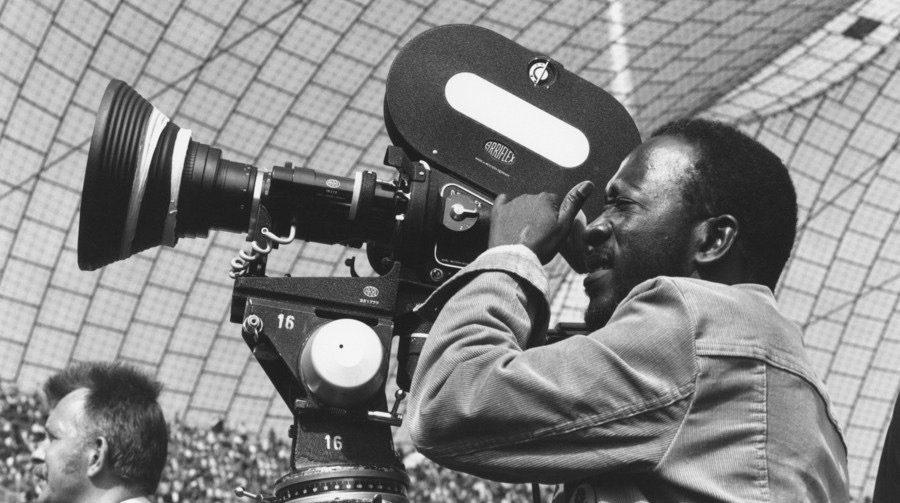
Often called the father of African cinema, Sembène used film as political resistance, cultural preservation, and social education long before global recognition followed. In his words, “Africa is my audience, the West and the rest are markets.”
2. Gavin Hood (South Africa)

He’s still the only African director to win an Oscar. Hood’s ‘Tsotsi’ remains a landmark film that changed how African stories were seen globally.
3. Kunle Afolayan (Nigeria)
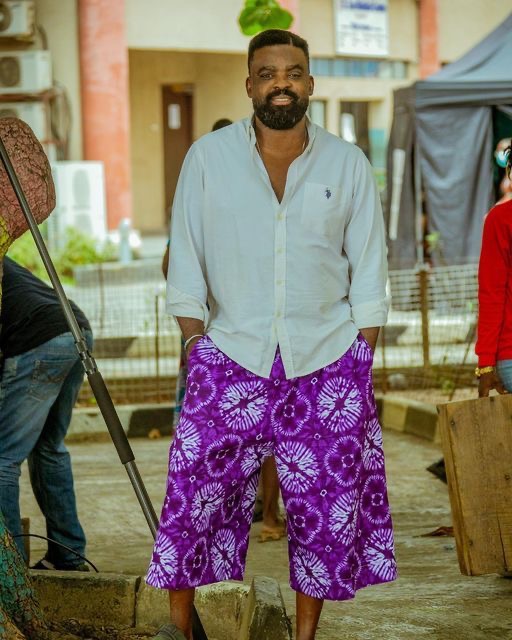
Afolayan is a Nollywood heavyweight who blends commercial success with cinematic quality. With movies like ‘Anikulapo’ and ‘October 1,’ he brings African storytelling to global streaming platforms.
4. Akinola Davies Jr. (Nigeria)
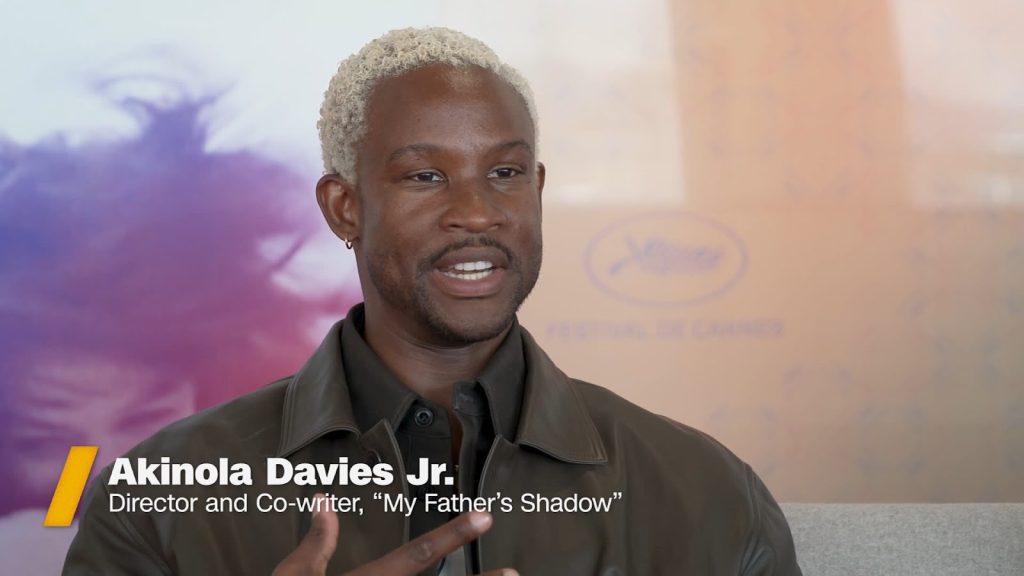
He’s a fast-rising voice in African arthouse cinema. His works, like ‘My Father’s Shadow,’ continue to push experimental storytelling and international festival visibility.
5. Mati Diop (Senegal/France)

Her film, ‘Atlantics,’ redefined African cinema on the global stage. The movie mixed spirituality, migration, and modern African identity.
6. Wanuri Kahiu (Kenya)
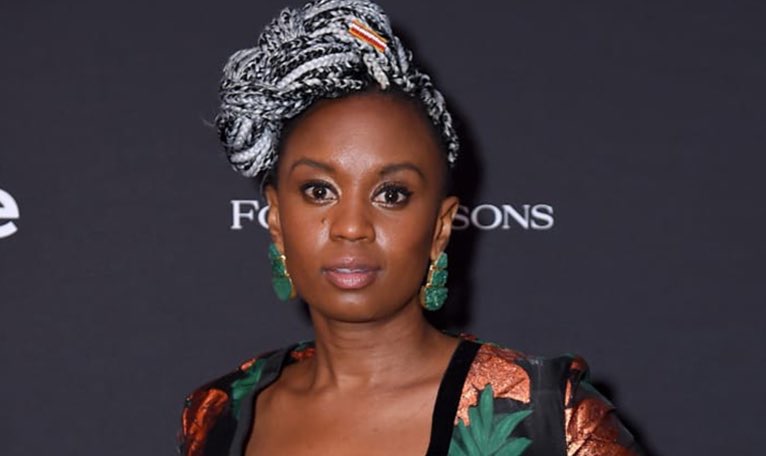
Kahiu is known for her bold storytelling and genre-bending films. With her recent rows challenging different institutional bodies and shout-outs from stars like Viola Davis, she represents a new wave of unapologetic African voices.
7. Abderrahmane Sissako (Mauritania)
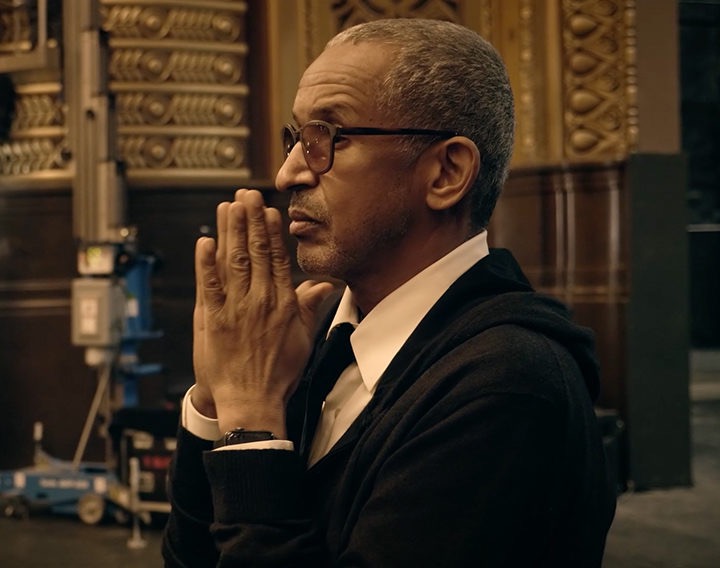
Sissako is one of the most acclaimed filmmakers from Mauritania and all of Africa. His 2014 drama “Timbuktu” is a very rare example of an African film made by an African to be nominated for an Oscar in the Best International Film category.
8. CJ Obasi (Nigeria)
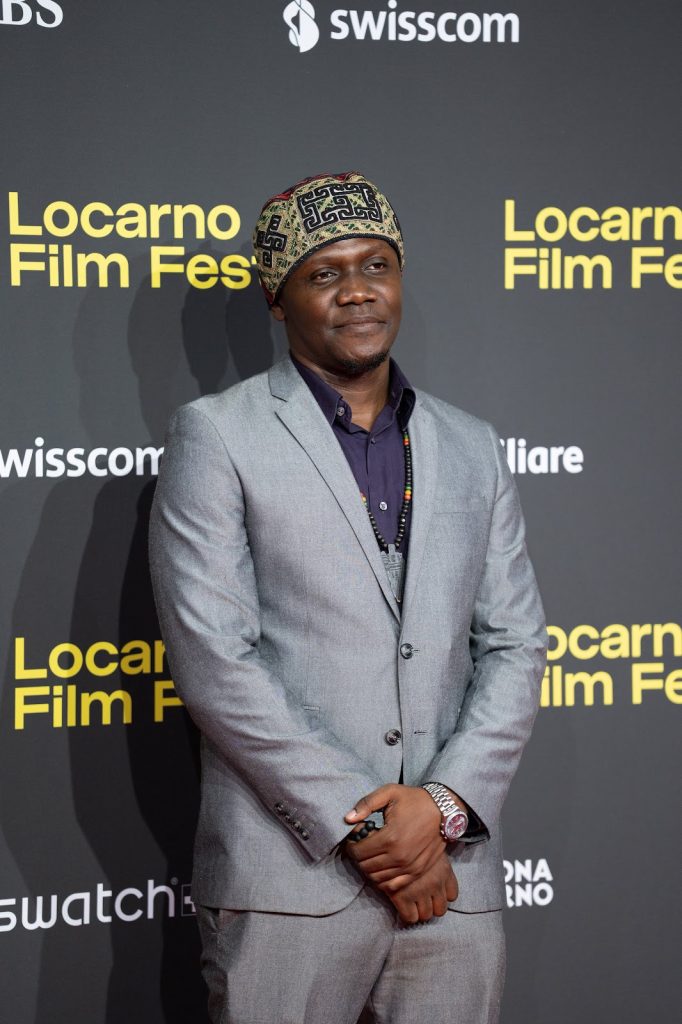
He’s a leader in African sci-fi and speculative cinema. He has expanded the genre space for African storytelling with films like ‘MAMI WATA’ and ‘Ojuju’
9. Jean-Pierre Bekolo (Cameroon)
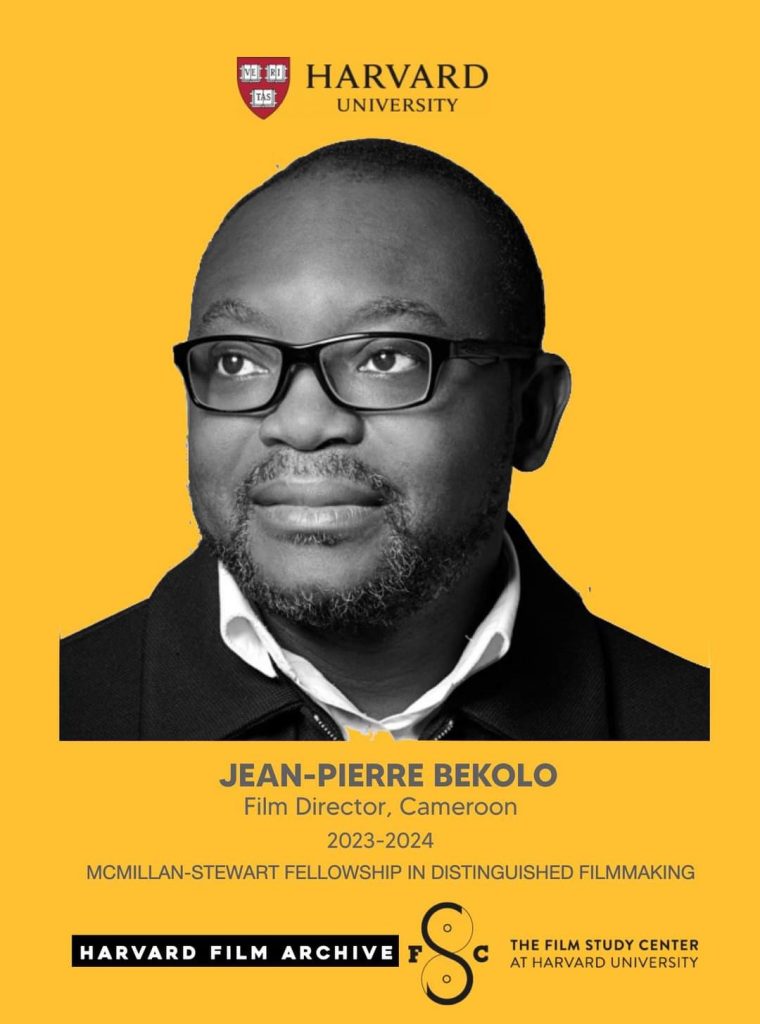
He is famous for being an academic and for his radical, unconventional narratives that challenge Western storytelling structures.
10. Blitz Bazawule (Ghana)
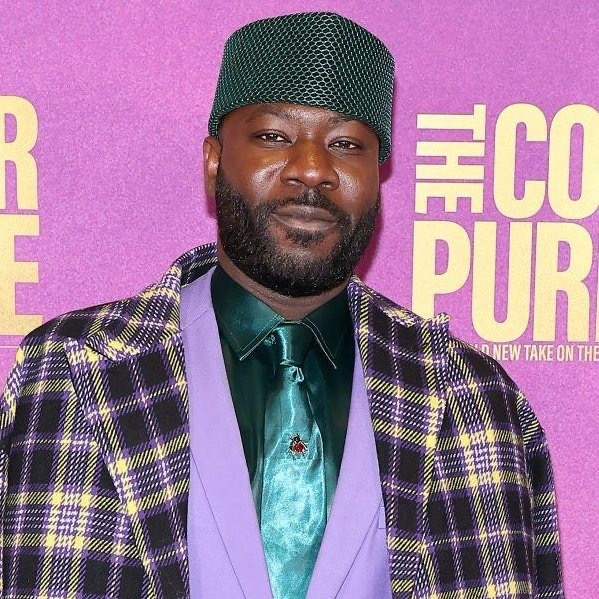
Bazawule crosses music, film, and culture. He is part of the new global-facing African creative class challenging the norm with movies like ‘The Color Purple.’
African Movie Directors Are Not Waiting on Oscar Wins
African cinema doesn’t lack brilliance. The proof is there for everyone to see. What we seem to lack is the infrastructure, global lobbying power, and structural access.
However, the best African movie directors have recognized that the future won’t be defined by waiting for Hollywood validation. Instead, they are building the platforms, audiences, and global visibility created on African terms.

About The Author