



Before Afrobeats became a global industry, a different generation of Nigerian musicians was building the sound at home.
The 2000s produced some of the biggest names in Nigerian music. Their songs dominated radio, television, clubs and parties. Music videos played repeatedly on channels such as Channel O and MTV Base, while albums sold through record shops and street vendors across the country.
For many Nigerians who grew up during that period, the songs became part of everyday life. 
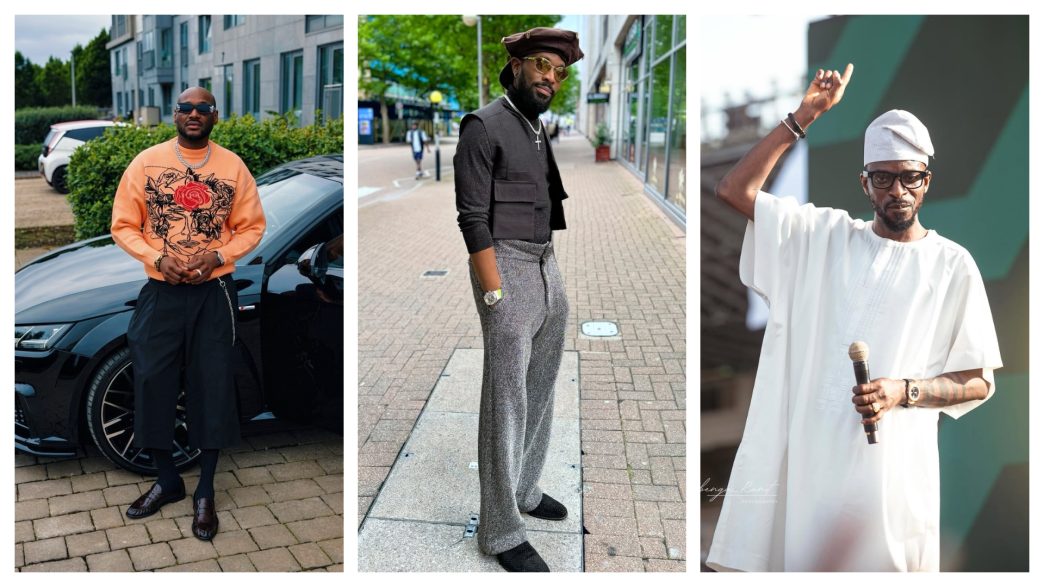
P-Square, 2Baba, D’banj, 9ice, Banky W, Olu Maintain, Eedris Abdulkareem, Tony Tetuila, Sasha P and Pasuma all took different paths through the decade. Some remained in music. Others moved into business, politics, law or other areas of entertainment.
Some still release music today, while others now appear more occasionally. Here is where the stars who helped define that era are today.
P-Square
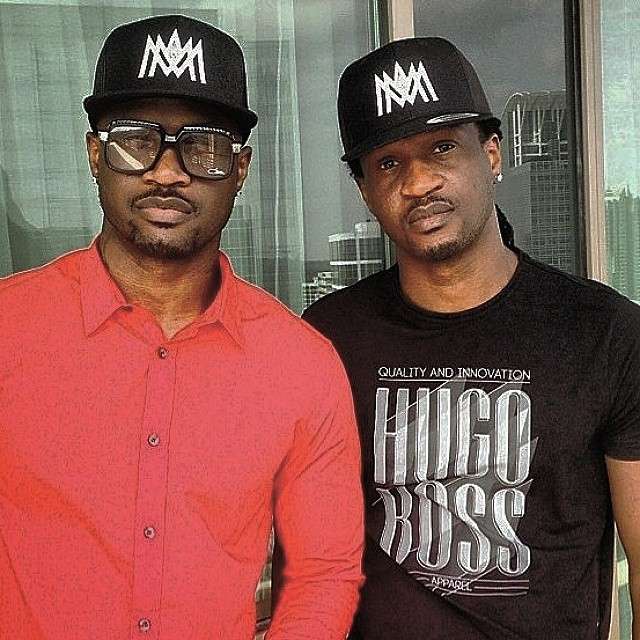
Peter and Paul Okoye started their journey as dancers before becoming one of Africa’s biggest music duos.
Their debut album, Last Nite, arrived in 2003. The brothers then broke into the mainstream with Get Squared in 2005, followed by Game Over in 2007. Songs such as “Bizzy Body”, “Do Me” and “Personally” helped turn P-Square into a major force across Africa.
The twins also became known for combining singing, dancing and elaborate music videos at a time when Nigerian pop was rapidly developing its own identity.
Their partnership later became one of the most publicised breakups in Nigerian music. They split in 2017 and spent several years pursuing separate music careers as Mr P and Rudeboy.
They reunited in 2021, but the reunion did not last.
The brothers split again in 2024, and their family dispute returned to the headlines in 2026. Peter has since released a series of videos detailing his version of the events that led to the group’s collapse. Paul and their elder brother, Jude Okoye, have also responded to different claims. Since the breakup both the twin now known as Rude boy and Mr Psquare have released music independently.
P-Square may no longer exist as a functioning duo, but their music remains one of the clearest reminders of how powerful Nigerian pop became during the 2000s.
2Baba
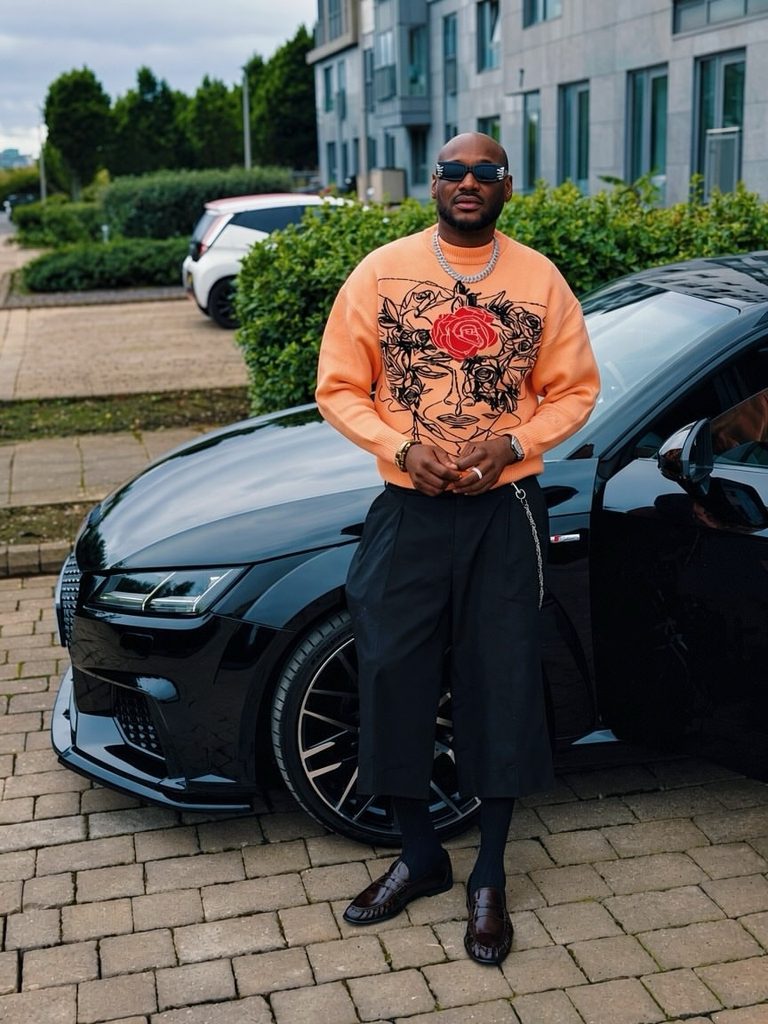
Before he became 2Baba, Innocent Idibia was known as 2Face.
His career began with Plantashun Boiz made up of Blackface, 2Face and Faze. After the group broke up, he launched his solo career with Face 2 Face in 2004.
The album contained “African Queen”, one of the songs that helped introduce Nigerian contemporary pop to audiences outside the country.
2Baba went on to release albums including Grass 2 Grace, The Unstoppable, Away & Beyond, Ascension and Warriors.
His career has remained one of the longest-running from that generation. In August 2026, the singer announced a new album titled Oldest Young Man. The project follows a six-year gap between full-length albums and comes alongside his Baba Experience tour.
The announcement has placed the veteran singer back in the centre of the music conversation, more than two decades after his first major success.
D’banj
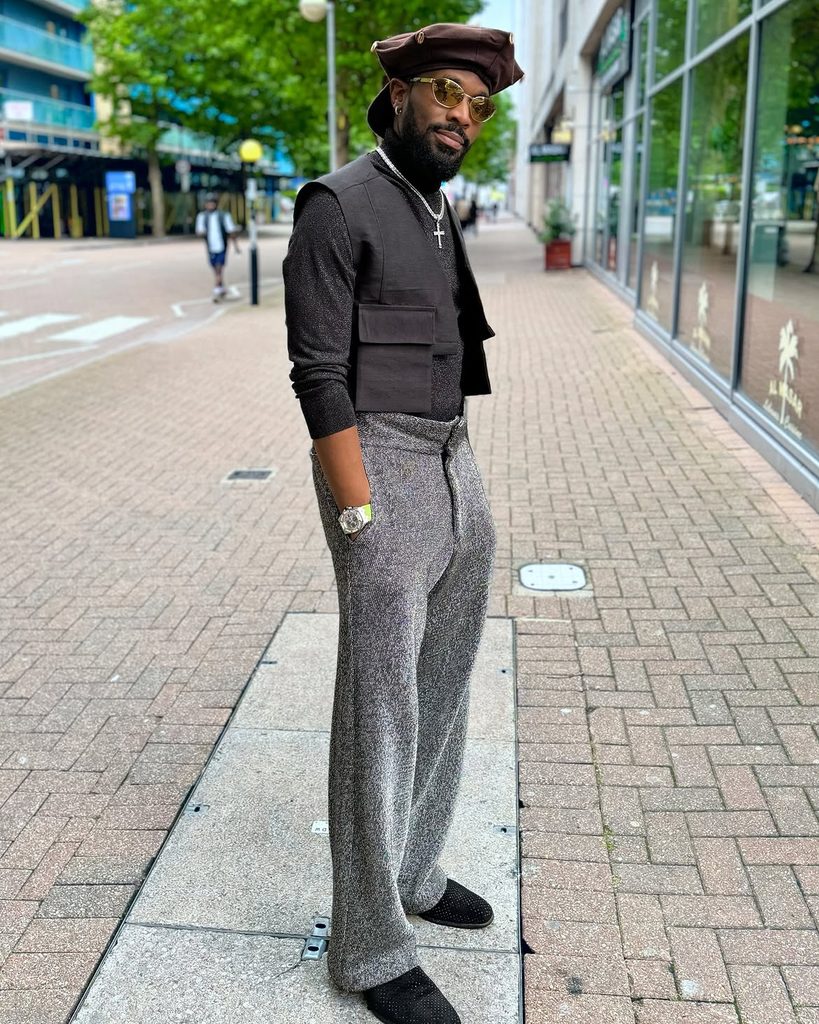
Oladapo Oyebanjo, better known as D’banj, became one of the defining entertainers of the 2000s.
He first gained major attention with “Tongolo” and became a central figure in Mo’Hits Records alongside Don Jazzy.
The label produced several successful records and emerged one of the most influential forces in Nigerian music during the late 2000s and early 2010s.
D’banj’s music career also produced “Fall in Love” and “Oliver Twist”. The latter took his music beyond Nigeria and became one of the songs associated with the period when Nigerian pop began attracting much wider international attention.
He has continued to release music and perform while also developing interests outside recording.
His career now sits between two eras of Nigerian music: the generation that built the modern industry and the younger artistes who took Afrobeats further around the world.
9ice
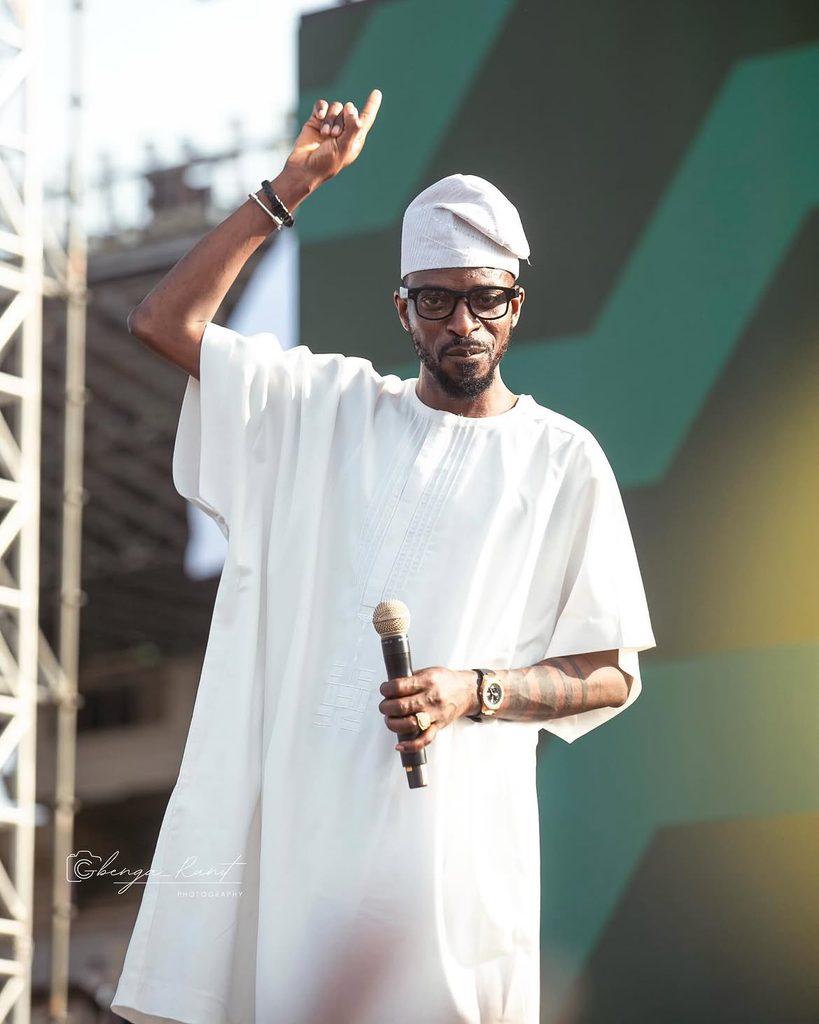
Abolore Adegbola Akande, popularly known as 9ice, became one of the most recognisable voices in Nigerian music during the 2000s.
His breakthrough came with songs such as “Little Money” and “Gongo Aso”, while his use of Yoruba lyrics helped give indigenous language a strong place within mainstream Nigerian pop.
Gongo Aso became one of the defining albums of that period.
Unlike many of his contemporaries, 9ice built much of his identity around his Yoruba delivery rather than trying to move completely towards English-language pop.
His career later expanded beyond music. He entered politics and wanted to serve as a member of the House of Representatives for Ogbomoso North/ South/ Orire onstituency in oyo State but lost the seat at the primary level in 2014. He was later appointed as special advisor on youth matters in 2015.
He has also continued to release music and perform.
READ ALSO: “I Once Chased a Nollywood Producer With Machete Over Gay Movie Role”- Jim Iyke
Banky W
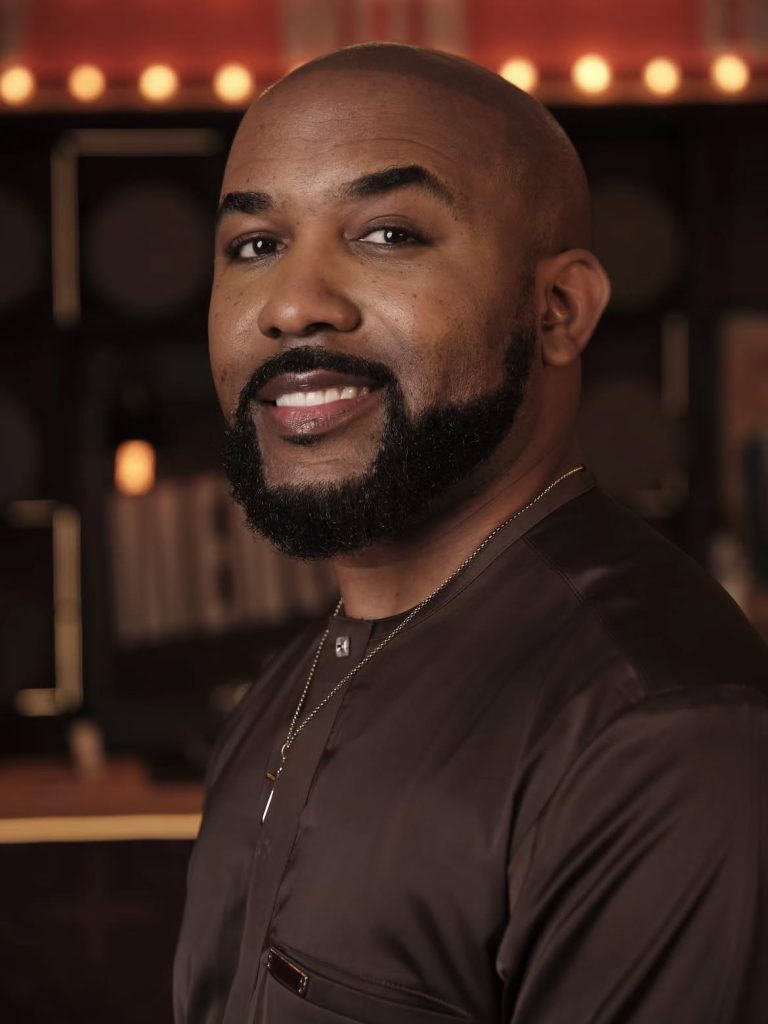
Olubankole Wellington became known to many Nigerians as Banky W.
He emerged as a singer in the mid-2000s before building a much bigger role in the music industry through Empire Mates Entertainment. The label helped introduce artistes such as Wizkid to a wider Nigerian audience.
Banky W later expanded into acting and business. His career also moved into politics when he contested for the Eti-Osa Federal Constituency seat in 2019 and 2023.
His path represents one of the biggest changes among the 2000s generation.
He moved from being primarily a recording artiste to becoming an executive, actor, entrepreneur, political candidate and a preacher of the gospel.
Olu Maintain
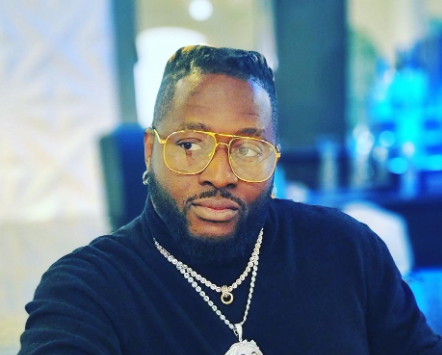
Olu Maintain had already been part of the Nigerian music scene before his biggest solo success. He was a member of Maintain alongside Tolu Ogunniyi and Big Bamo. The group released several albums before the members went their separate ways.
Olu Maintain then produced one of the most recognisable songs of the late 2000s. “Yahooze” became a massive hit in 2007 and gave him a distinctive place in Nigerian pop culture.
The song became closely associated with the flashy lifestyle imagery that appeared frequently in Nigerian entertainment at the time.
Olu Maintain later released projects and singles, including Nawti, Halleluyah and Wifey. His most recent major releases date from the late 2010s, although his older records remain available across streaming platforms.
Eedris Abdulkareem

Eedris Abdulkareem represents another side of the 2000s music era.
Before Afrobeats became the dominant global description for Nigerian music, hip-hop had a strong presence in the country’s mainstream scene.
Eedris emerged through The Remedies alongside Tony Tetuila and Eddy Montana. The group helped establish an early Nigerian hip-hop sound before its members pursued solo careers.
Eedris later became known for songs such as “Mr Lecturer” and “Nigeria Jaga Jaga”. His music often addressed social and political issues, giving him a different role from artistes whose records focused mainly on romance, parties and pop culture.
He has remained active in music and continues to release records. His career is a reminder that the Nigerian music industry of the 2000s was never built around one sound alone.
Tony Tetuila

Tony Tetuila also began with The Remedies before pursuing a solo career. His biggest solo hit, “My Car”, became one of the most memorable songs of the era.
The song turned an ordinary car into the centre of a humorous pop record and became a fixture at Nigerian parties.
Tetuila later moved into other interests, including business and politics. He contested for a seat in the Kwara State House of Assembly in 2014.
He has remained connected to music, but his public profile today is very different from the period when “My Car” dominated Nigerian radio.
SEE ALSO: Osas Ighodaro Lands Major Role in Nollywood-Bollywood Microdrama ‘Imported Babu’
Sasha P
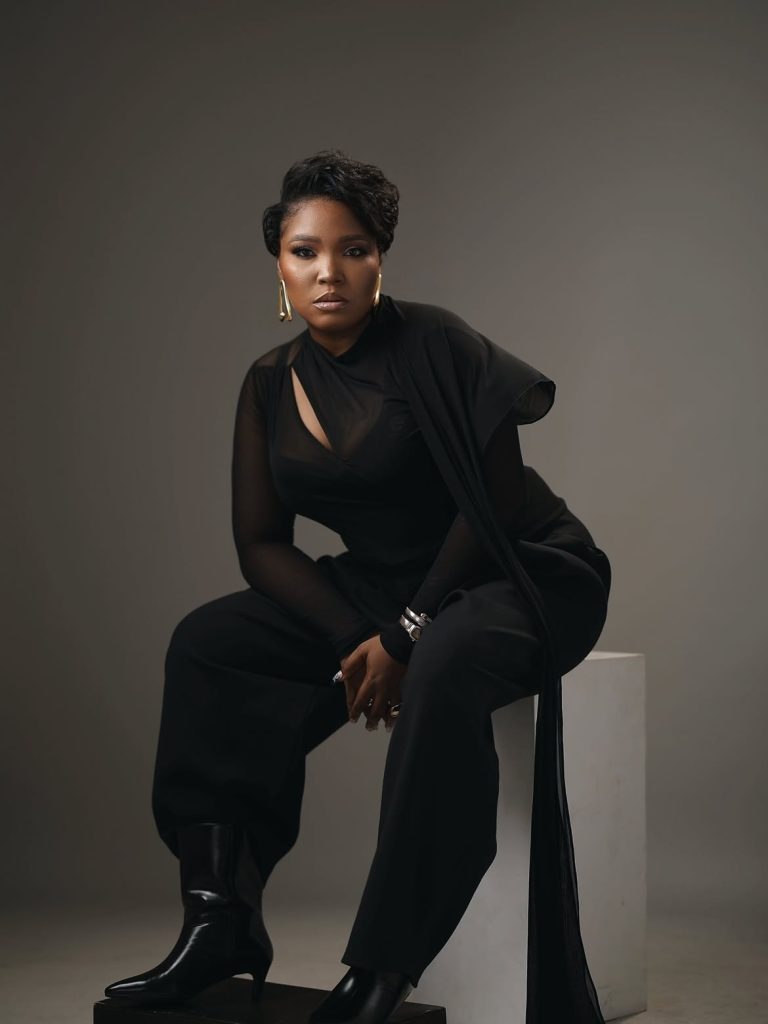
Sasha P brought another dimension to the 2000s Nigerian music scene.
Born Yetunde Olayemi Oduwole, she became one of the country’s most prominent female rappers during a period when male artistes dominated mainstream hip-hop.
Her music career included songs such as “Adara” and “Work It”, while her fashion sense also made her a visible figure beyond music.
Sasha later pursued a career in law and became involved in fashion and business.
Her transition illustrates how some artistes from the 2000s moved away from full-time music without disappearing from public life.
She remains recognised as one of the women who helped establish a place for female rappers in Nigeria’s mainstream music industry.
Pasuma

Wasiu Alabi, popularly known as Pasuma, came from a different musical tradition.
The Fuji star became increasingly popular with younger audiences during the 2000s and crossed into mainstream Nigerian pop culture through collaborations, acting and appearances alongside contemporary musicians.
His ability to move between Fuji and popular entertainment helped introduce the genre to audiences who might not otherwise have followed it closely.
Unlike several artistes from the era, Pasuma has remained highly active in music.
He continues to release songs and live projects. His 2026 releases include Genz Fuji, while his catalogue also contains several live albums released during the year.
His continued output shows that the 2000s did not simply produce former stars.
A Generation That Took Different Roads
The 2000s generation did not follow one career path. P-Square built a catalogue that still attracts attention, even after two breakups. 2Baba continues to record and perform. Pasuma remains active in Fuji.
Others moved into different fields.
Banky W went into business, acting and politics. Sasha P pursued law, fashion and business. Tony Tetuila explored politics and entrepreneurship.
Then there are artistes such as Olu Maintain whose biggest mainstream years now sit further in the past.
Their stories show how much the Nigerian music industry has changed.
The artistes of that era worked in an industry built around physical albums, radio airplay, music television and live performances. Today’s artistes operate in a market driven heavily by streaming platforms, social media, digital distribution and global collaborations.
Yet the music from the 2000s has not disappeared.
Songs from that period continue to circulate on streaming services, at parties and on social media. Younger listeners who were not around when many of these records came out can now discover them within seconds.
READ ALSO: 15 Nollywood Stars Who Ruled the 2000s and Where They Are Now

About The Author