


When the story of the Khaby Lame deal broke out, different newsrooms (including us) announced that the famous content creator secured a nearly $900 million deal. This news is true. But as usual, the interpretation on the internet was twisted.
The interpretation was that this valuation translates into cash and wealth for Khaby. Overnight, he got labelled a billionaire. But that isn’t what actually happened. According to experts, this was not a payday. Instead, it was a financially structured deal.
ALSO READ: Silent Videos to Loud Money — Khaby Lame Sells His Company for Almost $1 Billion 
What Actually Happened With Khaby Lame Deal
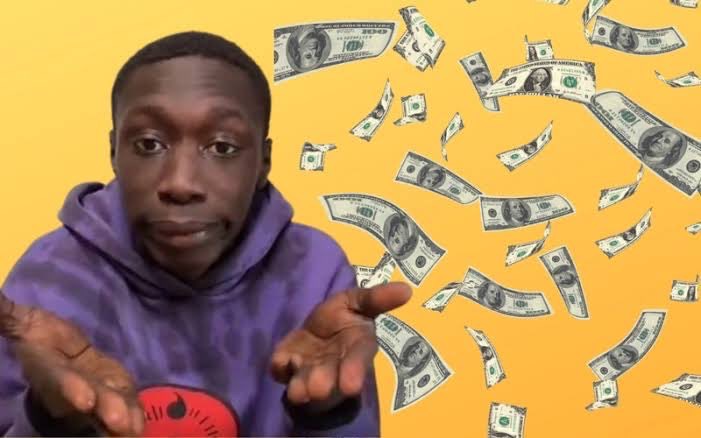
Khaby Lame did not receive cash. He exchanged equity in his private company, Step Distinctive Limited, for public shares in Rich Sparkle Holdings. That distinction matters because shares are not money. They are speculative values tied to stocks in the stock market and their performance.
That explains why when Rich Sparkle’s stock price rose, Khaby’s “net worth” exploded on paper. But that valuation was built on the fragile structure of the trading market. This market is typically volatile and speculative. So, just as quickly as it rose, the stock fell, and the billionaire narrative disappeared with it.
Then came the probes that exposed the real structure of the Khaby Lame deal. This deal came with paper wealth, not actual funds.
The Loopholes in Khaby Lame’s Deal
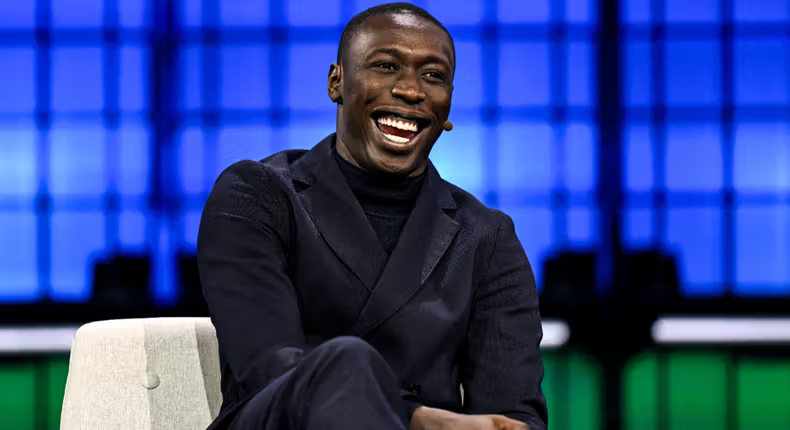
1. Market cap is not wealth.
Again, stock price is not cash, and equity is not liquidity. Little wonder Khaby cannot freely sell those shares without driving the price to its lowest.
With the lock-up periods, trading restrictions, and limited market depth, the value of this deal only exists theoretically. This is what finance calls ‘paper wealth’. While the assets might look massive on paper. It cannot be converted into real money.
2. The revenue fantasy
Rich Sparkle projects up to $4 billion in annual sales, driven by Khaby’s digital twin and social commerce infrastructure. But these projections depend on unproven assumptions outside Asian markets. They expect mass livestream shopping adoption, rely heavily on AI-based selling, expect strong conversion rates, and scalable logistics across several little regions.
However, realistically, attention does not automatically become transactions. A global audience is not a global customer base. So, followers are not buyers, and views will not always be revenue.
3. Narrative inflation
This deal has been framed as creator wealth. It isn’t. It’s creator monetisation. What Rich Sparkle hopes to do is convert Khaby Lame’s human brand into a tradable asset class.
Khaby wasn’t paid for content. His value in the deal is his identity, likeness, and audience, which are now market instruments. As for him, he gained leverage and control, not an actual cash flow.
4. Volatility risk
By tying his value to public markets, Khaby’s “wealth” now rises and falls with an unpredictable market. His valuation is no longer tied to his content performance alone. Now, the market speculations and the highs and lows of the stock market make his wealth unstable by design.
5. Liquidity illusion
Forget that the valuation looks massive on paper. When you convert it into real-world money, it requires buyers, market stability, zero regulatory issues, and sustained price levels. These conditions rarely align at this level.
In Closing
Khaby Lame did not become a billionaire in the usual sense. He simply became a listed financial asset within the capital markets system. Those figures attached to his name represent market valuation, not cash in the bank.
The deal itself is real. But the public narrative around instant wealth is misleading. This transaction is about ownership structures, financial positioning, and market leverage, not personal cash flow.
Until his shares convert into stable cash in the bank, the billion-dollar story remains unrealised value.

About The Author