



Travelling to the United States requires more than just a valid passport and visa. The U.S. Customs and Border Protection (CBP) enforces strict regulations on items entering the country to protect public health, national security, agriculture, wildlife, and the economy.
CBP works with more than 40 federal agencies, including the U.S. Department of Agriculture (USDA), the U.S. Food and Drug Administration (FDA), the U.S. Fish and Wildlife Service, and the Centers for Disease Control and Prevention (CDC). These agencies regulate the importation of various goods and prohibit certain items from entering the United States.
Before travelling, it is important to understand which items you can bring into the country and which ones are restricted or prohibited. Here are 25 items that travellers should know about before entering the United States. 
1. Absinthe (Alcohol)
The FDA regulates the importation of absinthe. The product must be “thujone-free,” meaning it contains less than 10 parts per million of thujone. Manufacturers cannot use “Absinthe” as the brand name, and the label cannot display hallucinogenic or mind-altering imagery. Authorities may confiscate absinthe that violates these regulations.
2. Alcoholic Beverages
Federal and state laws regulate the amount of alcohol travellers may bring into the United States. Requirements vary by state, so travellers should contact the appropriate state alcohol control board before travelling.
3. Automobiles
Imported vehicles must meet U.S. safety, bumper, theft-prevention, and fuel-emission standards. Most vehicles purchased abroad require modifications before authorities allow them into the country.
4. Biological Materials
Travellers may need permits from the USDA and CDC to import biological materials such as bacterial cultures, fungi, viruses, plant specimens, animal tissues, and research samples.
5. Ceramic Tableware
Authorities generally allow ceramic tableware into the United States. However, some imported products may contain high levels of lead in their glaze. The FDA advises travellers to test imported ceramic tableware for lead or use it only for decoration.
6. Cultural Artifacts and Cultural Property
Many countries protect cultural artifacts through ownership and export laws. Travellers should verify the legal ownership and export status of any artifact before bringing it into the United States.
7. Defence Articles and Military-Related Items
Military-related items, including certain software, technology, blueprints, technical data, and equipment, require proper licences for importation or exportation.
8. Dog and Cat Fur
U.S. law prohibits the importation, exportation, sale, transportation, manufacture, and distribution of products made from dog or cat fur. Authorities will seize such products.
9. Drug Paraphernalia
The law prohibits travellers from bringing drug paraphernalia into the United States unless it serves a legitimate medical purpose, such as diabetes treatment. Authorities will seize illegal drug paraphernalia, and violators may face fines or imprisonment.
10. Firearms
Travellers must comply with all U.S. export and import regulations when transporting firearms or ammunition. U.S. citizens and lawful permanent residents must follow CBP requirements before temporarily exporting firearms.
READ ALSO: How Much Does It Cost to Eat a Balanced Diet in Nigeria?
11. Fish and Wildlife
The United States restricts or prohibits the importation of certain fish, wildlife, and products derived from them. Authorities generally prohibit products made from endangered species.
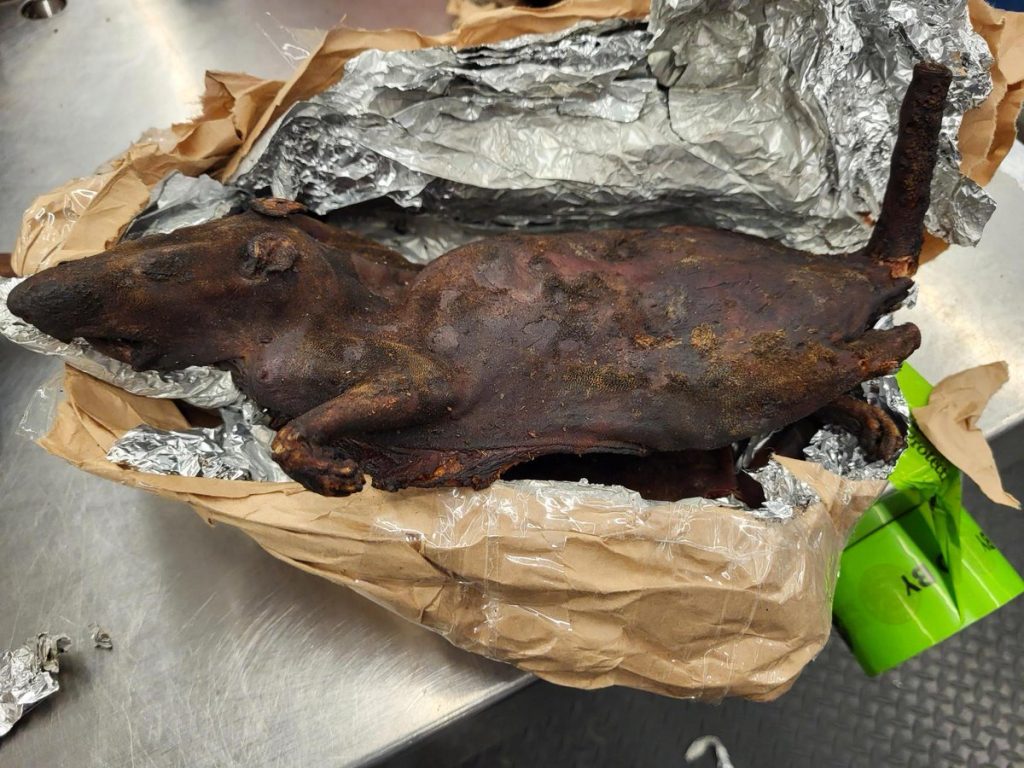
12. Food Products (Raw and Prepared)
Authorities allow some food products, including certain cheeses and baked goods. However, they prohibit many meat products, meat-based foods, and bush meat derived from African wildlife.
13. Prior Notice for Food Importation
The FDA requires importers to notify the agency before bringing commercial food products into the United States. Notification deadlines vary depending on the mode of transportation.
14. Fruits and Vegetables
Authorities assess fruits and vegetables based on their origin and potential agricultural risks. Some fresh produce may introduce pests or diseases and may not qualify for entry.
15. Game and Hunting Trophies
The U.S. Fish and Wildlife Service regulates the importation of game animals and hunting trophies. Travellers must use designated ports of entry or obtain special approval.
16. Gold
Travellers may bring gold coins, medals, and bullion into the United States. However, restrictions apply to gold originating from certain sanctioned countries. Replicas must carry proper markings that identify their country of origin.
17. Haitian Animal Hide Drums
The CDC prohibits untreated animal hide drums from Haiti because they may carry infectious diseases. Similar risks may also apply to untreated animal hide drums from other regions.
Meat, Livestock, and Poultry
The United States strictly regulates meat and meat products. Authorities prohibit most fresh, dried, canned, or processed meat products from other countries. Regulations may change in response to disease outbreaks.
18. Medication
Travellers carrying prescription or over-the-counter medications must comply with FDA regulations. These requirements apply to both foreign visitors and returning U.S. citizens.
19. Merchandise from Embargoed Countries
Travellers generally cannot import goods from countries subject to U.S. sanctions, including Cuba and Iran, without obtaining a specific licence from the Office of Foreign Assets Control (OFAC).
READ ALSO: See The Foods Killing Us in Nigeria
20. Pets
Federal authorities closely regulate animal imports to protect public health and animal welfare. Some species face restrictions or complete bans. Travellers should also check local and state regulations before travelling.
21. Photographic Film
CBP officers generally do not inspect photographic film unless they suspect it contains prohibited material. Travellers do not pay duty on film purchased in the United States and exposed abroad, but they may pay duty on film purchased and developed outside the country.
22. Plants and Seeds
Authorities allow some plants, seeds, and plant products into the United States with the proper permits and documentation. However, they prohibit certain species, particularly endangered or invasive varieties.
23. Soil
Travellers cannot bring soil into the United States without an approved import permit. They must declare the soil upon arrival, and authorities must verify the permit.
24. Textiles and Clothing
Travellers may bring reasonable quantities of clothing and textiles for personal use or as gifts. However, authorities may charge duty on items that exceed personal exemption limits.
25. Trademarked and Copyrighted Articles
CBP enforces laws that protect trademarks and copyrights. Authorities may detain, seize, or forfeit counterfeit goods and products that infringe on intellectual property rights.
Understanding U.S. import regulations can help travellers avoid delays, fines, confiscations, or legal issues at the border. Before travelling, check the latest CBP guidelines to ensure that all items in your luggage comply with U.S. laws and regulations.

About The Author