



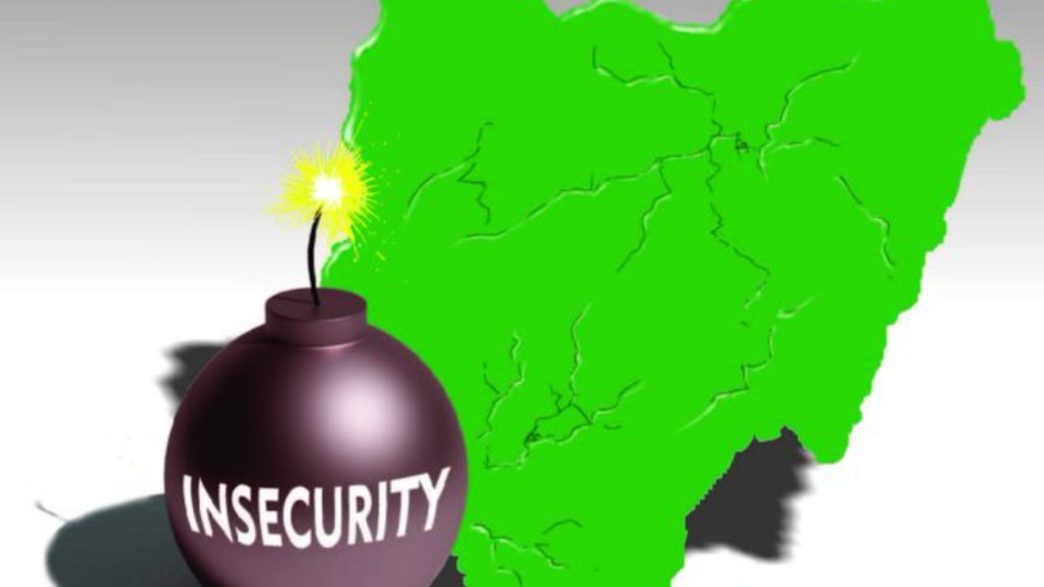
Insecurity is one of the key factors that affect every country’s economic development. There are times when millions in investments are made to grow brands and businesses, but due to a lack of security and the destruction of property, the development of the country is significantly affected, resulting in high economic costs
A major example occurred during the ENDSARS protests, when peaceful demonstrations later turned violent in some areas. Many shops, malls, warehouses, and business centers across Lagos and other cities were looted and destroyed. 
According to a report by The Cable, about 43% of small businesses in Lagos lost more than ₦1 million each due to looting during the protests, while others lost between ₦500,000 and ₦1 million.
Insecurity disrupts economic activities such as agriculture, trade, and commerce, leading to reduced productivity and economic growth.
A Nairametrics report on the farmer–herder crisis notes that over 2.2 million people have been displaced, especially in the “food basket” Middle Belt; this disruption has significantly reduced the food supply, leading to soaring food prices nationwide.
Investors from other countries find it difficult to invest in a nation where there is insecurity, which limits economic growth and development. Increased insecurity leads to reduced investment, decreased productivity, and increased economic uncertainty, ultimately hindering economic development.
How Resolving Insecurity Can Drive Economic Development

If we want to fix national development, we have to address the roots of the unrest. Businesses and investors won’t stay if they don’t feel safe. We have to start by tackling the real issues: poverty, inequality, and poor governance.
SEE ALSO: Africa’s Wildest Takeovers: A Timeline of Major Coups Since 2020
Boosting Investment and Business Confidence
When people feel safe, money flows. A secure environment doesn’t just attract foreign investors; it gives local entrepreneurs the confidence to expand without fearing their shops will be looted or their goods seized.
Breaking the Cycle of Poverty
We can’t talk about security without talking about jobs. Poverty is the fuel for unrest. By creating actual opportunities and job programs, we take away the incentive for crime, effectively killing two birds with one stone.
Securing Trade and Food Supplies
Peace is the backbone of commerce. Safe roads mean farmers can get their produce to market without being harassed, and trade routes stay open. When conflict drops, infrastructure actually lasts, allowing industries to finally take root and stay there.

About The Author