


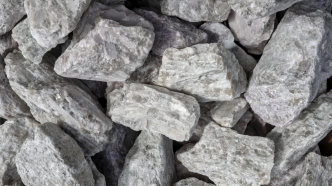
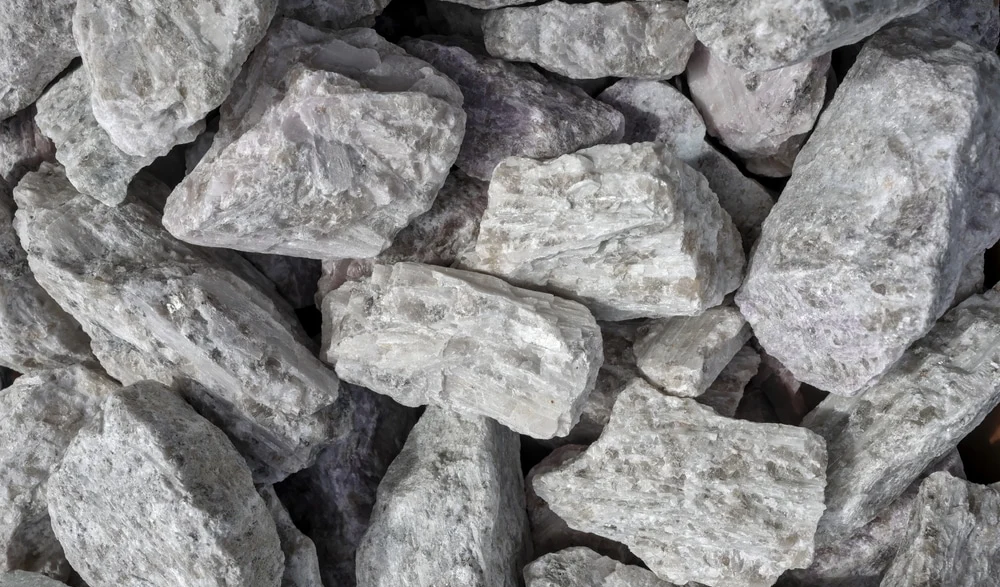
Ghana has developed a lithium sector to compete in the global supply chain market, following Parliament’s approval of the Ewoyaa Lithium Project mining lease on March 19, 2026 which ended nearly three years of regulatory uncertainty that had slowed investment and raised concerns about the country’s competitiveness in the fast-growing battery minerals sector.
According to News Ghana, the approval gives Atlantic Lithium, a West African-focused mining company listed in Australia and the UK, the sole right to mine and process lithium in Ghana’s Central Region. This is conducted through its local subsidiary for an initial 15 years, and is renewable under national law.
Australia is a big player in the global battery minerals supply chain. This draws strong interest from international investors, especially those from Australia. 
For Ghana, a long-time gold producer, the development is a shift toward minerals vital to the global energy transition, such as lithium, a key component in batteries used in electric vehicles, renewable energy storage, and advanced technologies.
SEE ALSO: What Are The Richest African Countries by Natural Resources?
According to the agreement, the Ghanaian government will own a 13% free-carried interest in the project, allowing for direct participation without requiring upfront capital investment.
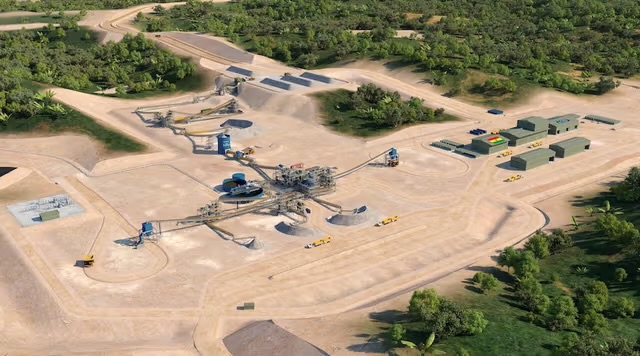
The agreement’s fiscal structure seeks to strike a balance between state revenue and investor confidence.
Ghana will receive royalties on a sliding scale ranging from 5% to 12%, depending on the global lithium price.
The framework aims to boost government earnings during price increases while keeping projects viable during market downturns.
Despite these provisions, minority lawmakers opposed the deal, claiming that lithium is a strategic national asset whose long-term value must be carefully managed.
Ghana’s move is part of a larger trend in Africa, where countries such as Zimbabwe, Namibia, and the Democratic Republic of the Congo are expanding lithium and other battery mineral projects to capture more value in global supply chains.

About The Author