




For many Nigerian entrepreneurs, working with a celebrity is seen as a career breakthrough. A single post from a well-known actor, musician, or influencer can introduce a business to thousands of potential customers.
But recent controversies have exposed the other side of celebrity-business relationships. From public call-outs to collaboration requests that allegedly replace payment with publicity, several incidents have sparked conversations about where influence should end and business should begin.
Eniola Badmus and the Makeup Artist
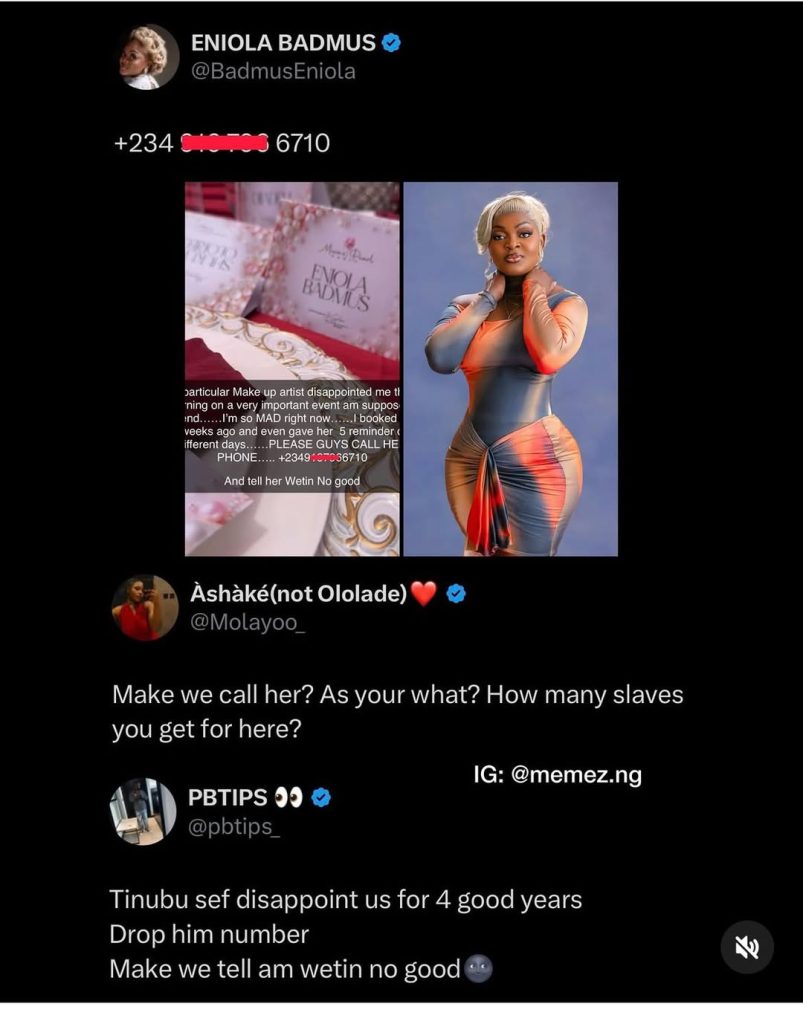
Actress Eniola Badmus recently found herself at the centre of criticism after a disagreement with a makeup artist she had booked for an event. According to Badmus, the makeup artist failed to show up as agreed, leaving her disappointed ahead of an important engagement. 
The actress then took to social media and shared the makeup artist’s phone number publicly. She urged her followers to contact the vendor—a move that quickly drew criticism online. Many social media users argued that regardless of the disagreement, publishing a private phone number exposed the makeup artist to harassment and crossed a line. Others defended Badmus, saying customers also have the right to speak out when they receive poor service.
The incident soon became less about the missed appointment and more about whether public figures should use their platforms in that manner.
Whitemoney and the Interior Design Proposal
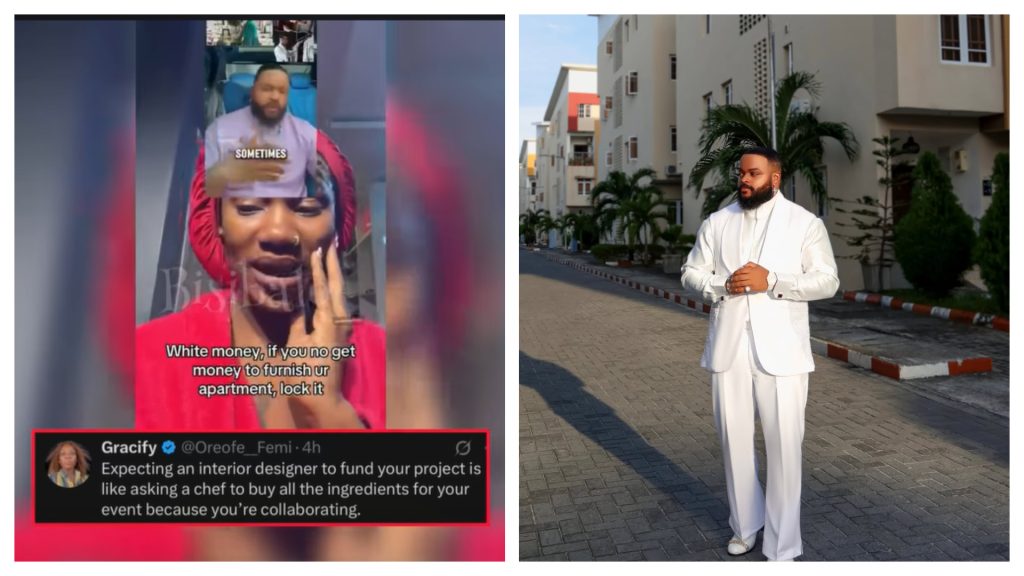
Reality TV star Whitemoney also became part of a different business controversy. The issue began after he announced that he was looking for a professional interior designer to collaborate with on furnishing his home.
According to influencer Mirabel, an interior designer reached out after seeing the post. Mirabel alleged that Whitemoney contacted the designer around midnight before proposing that she furnish his house with her own money. In return, she claimed, he offered publicity rather than financial payment.
According to the allegation, the designer would have supplied curtains, paint, furniture, and other materials worth millions of naira, while Whitemoney would promote her business on his social media platforms. Mirabel criticised the proposal, questioning why a professional should finance such a project in exchange for exposure.
“If you can’t pay for your interior design, it’s okay for you to lock up your house,” she said in a video reacting to the incident.
Should Exposure Replace Professional Fees?
For many small businesses, social media visibility can attract new customers. However, vendors often argue that exposure does not pay suppliers, cover rent, or replace the money spent delivering a service.
The Changing Relationship Between Celebrities and Vendors
Celebrity endorsements remain valuable. Many businesses willingly collaborate with public figures because of the visibility they can bring. At the same time, more vendors are becoming reluctant to accept deals based solely on promises of future exposure. Instead, many now insist on written agreements, deposits, and clearly defined payment terms before taking on celebrity clients.
The recent controversies involving Eniola Badmus and Whitemoney have once again highlighted the delicate balance between influence and business. As more disagreements move from private conversations to social media, they continue to raise questions about expectations, professionalism, and accountability on both sides of the transaction.
ALSO READ: What’s Olodo Uprising? Ycee Slams Peller’s Content and He Fires Back

About The Author