



After more than two years, Avatar: The Last Airbender returns to Netflix with a second season carrying far more pressure than excitement.
The first season earned a renewal, but it also left behind a long list of complaints. While enjoyable on its own, it struggled as an adaptation. Season One had eight episodes to introduce its world, yet it still felt rushed. Instead of allowing emotional moments to unfold naturally, it hurried through years of character development while repeatedly explaining what viewers could already see. Fans also criticized its awkward dialogue, uneven performances, and its tendency to compress some of the animated series’ most memorable moments into scenes that barely had time to breathe.
Season 2 arrives knowing exactly what viewers disliked. For the most part, it takes notes and responds. 
The writing is more patient. Characters finally have room to grow, relationships develop naturally, and the story no longer rushes from one major event to the next. Rather than trying to recreate the animated series scene for scene, the show begins to stand on its own. That confidence becomes its greatest strength.
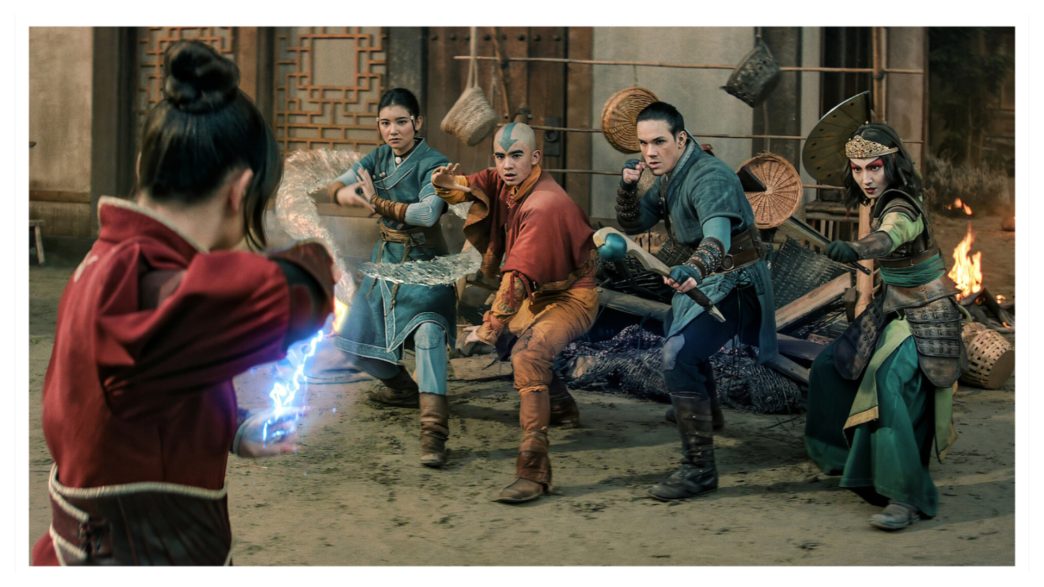
The shift in focus also helps. Politics, deception, and power gradually replace the straightforward adventure that drove much of the first season. Instead of relying almost entirely on bending battles, the series spends more time exploring trust, responsibility, and identity. Those quieter moments often become far more compelling than the action itself.
Netflix opens the season with a brief recap of Season One, but after a wait of more than two years, it barely scratches the surface. It reminds viewers where everyone ended up without revisiting the emotional journeys that brought them there. Unless Season One is still fresh in your memory, there is a good chance you’ll spend the opening episodes trying to reconnect with characters and storylines the recap rushes through.
The improvement becomes even more obvious through the performances.
SEE ALSO: Mike-Bamiloye’s Mount Zion Films Are Cultural Assassins
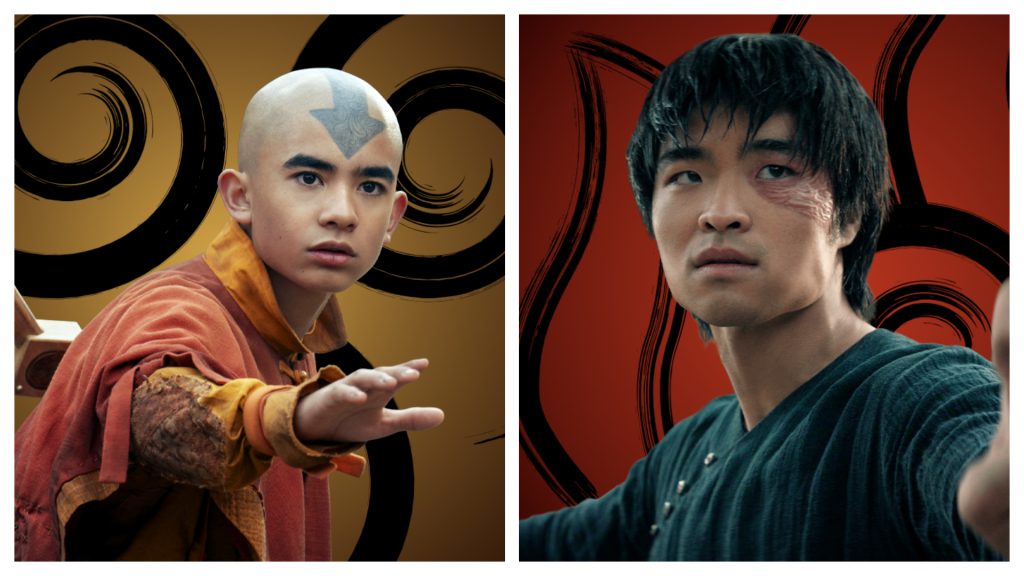
Gordon Cormier returns as Aang with far greater confidence than he showed in the first season. He no longer feels like a child simply reciting the responsibilities of the Avatar. Instead, the weight of saving the world is gradually reflected in both his decisions and expressions. Dallas Liu once again delivers the season’s standout performance as Zuko. His internal conflict remains the emotional backbone of the series, balancing anger, vulnerability, and hope with remarkable consistency. The introduction of Toph also proves to be one of Season Two’s smartest decisions. Rather than simply recreating a fan favorite, the writers allow her personality to complement the existing group while giving her enough moments to establish her own presence.
Dialogue, another weak point in Season One, also improves significantly. Characters no longer explain every emotion or motivation. Conversations feel more natural, allowing performances to carry the emotional weight instead of lengthy exposition. It is a subtle change, but one that makes the series far more engaging.
That does not mean every problem has disappeared.
Although the slower pace works in the show’s favor, some storylines still move too quickly once they reach important turning points. Certain emotional payoffs arrive before the audience has fully invested in them, while the seven-episode format leaves several supporting characters feeling underdeveloped. The series still struggles to balance the scale of its world with the time available to explore it.
The visual effects tell a similar story. The bending sequences are more polished, particularly during the larger Earth Kingdom battles, and Ba Sing Se finally carries the political weight fans expected. Yet, some digital environments still look overly artificial. There are moments when the world feels expansive and lived-in, followed by scenes that resemble carefully constructed studio sets rather than a real kingdom.
Perhaps the biggest compliment Season Two deserves is that it finally stops competing with the animated series. Season One often felt trapped between recreating iconic moments and rushing toward the next major event. Here, the writers take more creative risks. They restructure storylines, expand political conflicts, and allow characters to breathe instead of constantly chasing nostalgia. Those decisions will not satisfy every longtime fan, but they give the live-action adaptation something it lacked before—its own identity.
Season Two is still not the adaptation many hoped Netflix would deliver from the beginning. It remains some distance from matching the emotional depth, humor, and effortless storytelling that made the original animation one of television’s greatest achievements. What it does prove, however, is that the series is learning from its mistakes.
For the first time, Avatar: The Last Airbender feels less like a live-action remake trying to justify its existence and more like a fantasy drama capable of standing on its own.
Rating: 7/10
Season Two is the correction Season One desperately needed. The writing is sharper, the performances are stronger, and the characters finally have room to breathe. It still falls short of the animated classic that inspired it, but for the first time, the live-action adaptation feels like it is moving with confidence rather than chasing nostalgia.
ALSO READ: ‘I Will Find You’ Review: Why Everyone Is Watching Netflix’s No. 1 Series

About The Author