



The African music industry has once again demonstrated its global impact and excellence.
The Spotify editorial team compiled the list from a thousand other tracks of pop music to celebrate the uniqueness of pop as a genre among many others. The list focuses on songs released between 2015 and February 2026, using criteria such as cultural impact, creativity, and sound, and not stream counts. 
1. Wizkid
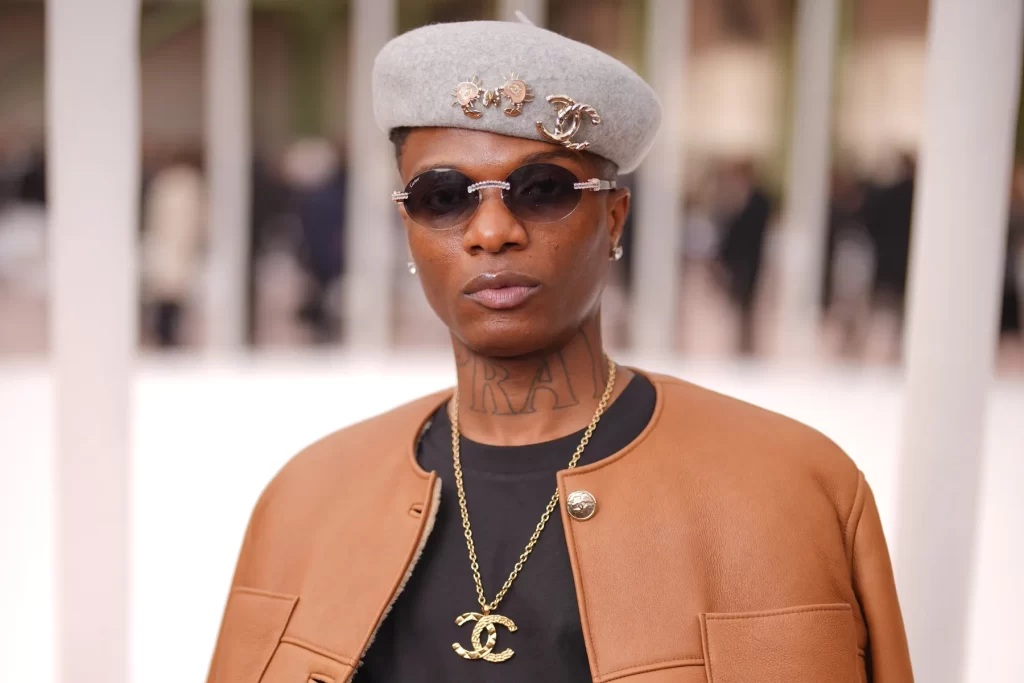
Nigerian artist, Wizkid is the first African on the list, with ‘One Dance’ ranking at number 8. One Dance was released on April 5, 2016, where he performed alongside Canadian rapper, singer, and songwriter Drake and Filipino R&B singer Kyla.
In One Dance, Drake creatively blends storytelling with drum sounds reverberating the African and Caribbean rhythm. Carl Chery, the creative director and head of urban music at Spotify, comments that “the song quickly became a club staple and pushed Drake to new commercial heights,” earning him his first No. 1 on the Billboard Hot 100 as a lead artist.
2. Rema
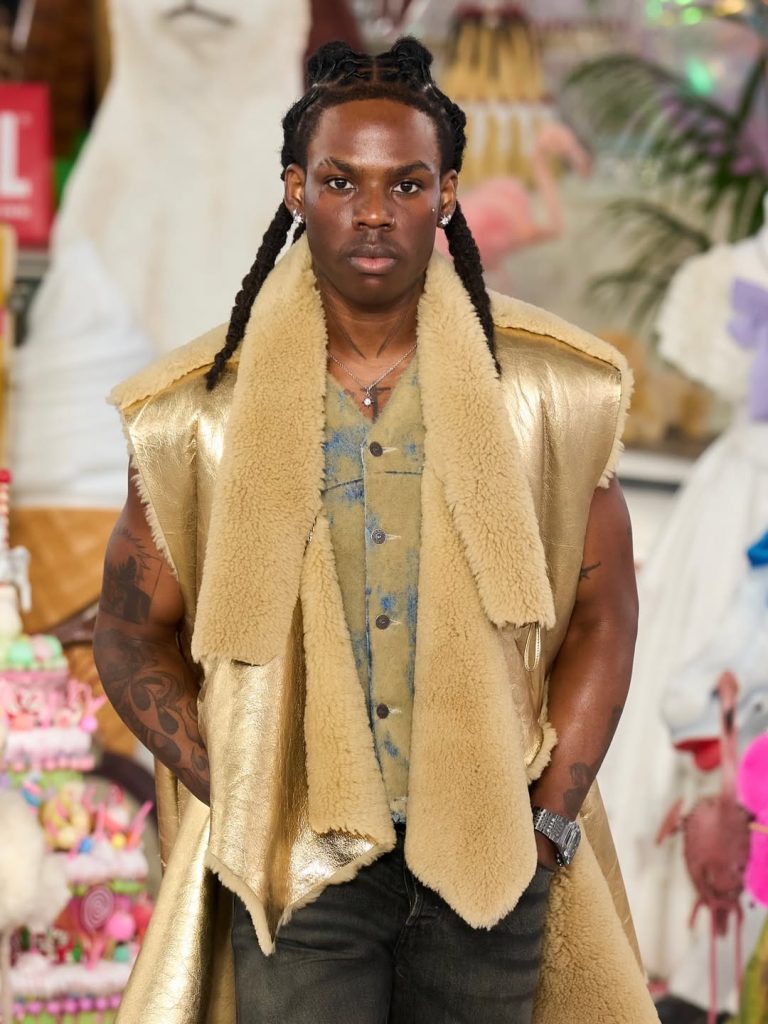
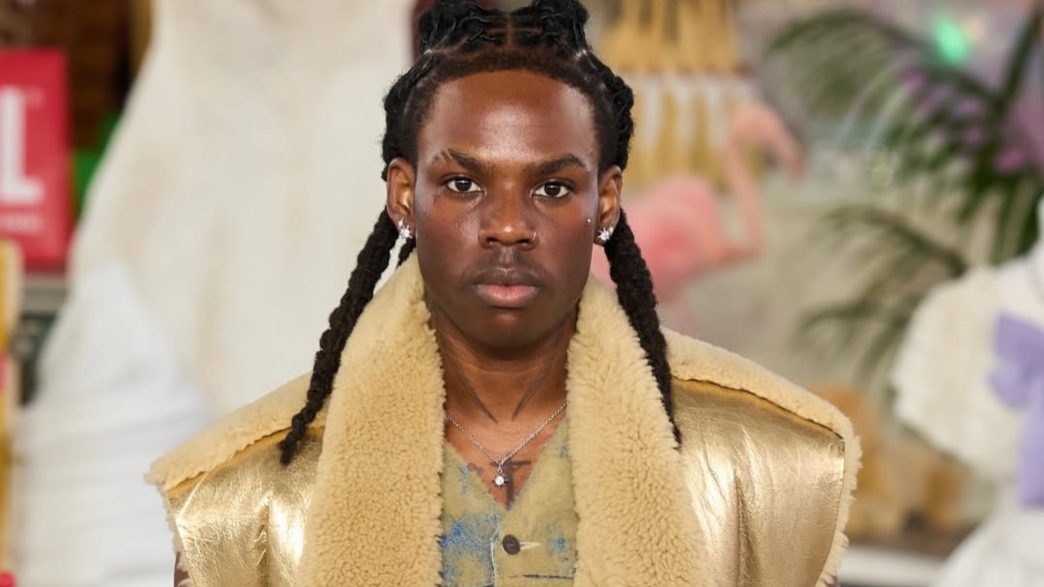
Ranked at number 29 is Rema’s ‘Calm Down (with Selena Gomez)’. Rema’s Calm Down, which was already a hit in the African music industry, became a global sensation with Selena Gomez’s contribution.
According to Talia Kraines, who is the Pop Editorial Lead at Spotify, the collaboration introduced Nigerian pop to more listeners, especially in the U.S., and, according to Spotify, was the first to reach one billion streams on Spotify as an African artist-led track.
ALSO READ: Billboard Tags Rema a One-Hit Wonder — Do Nigerian Music Critics Agree?
3. Tyla

Last but definitely not least, on Spotify’s Greatest 100 Pop Songs of the Streaming Era, as an African, is Water by Tyla.
The South African artist brought the Amapiano, beloved for its unique piano melodies and log drum sounds, to the global stage. “Water” won the inaugural Grammy for Best African Music Performance and became the first song by a South African solo artist to appear on the Billboard Hot 100 after more than five decades.
Ultimately, their inclusion on this chart is a testament to the creativity, cultural richness, and growing dominance of African sounds on the world stage. As the industry continues to evolve, one thing is clear: African music is not a passing wave but a powerful and permanent force in global pop culture.

About The Author