



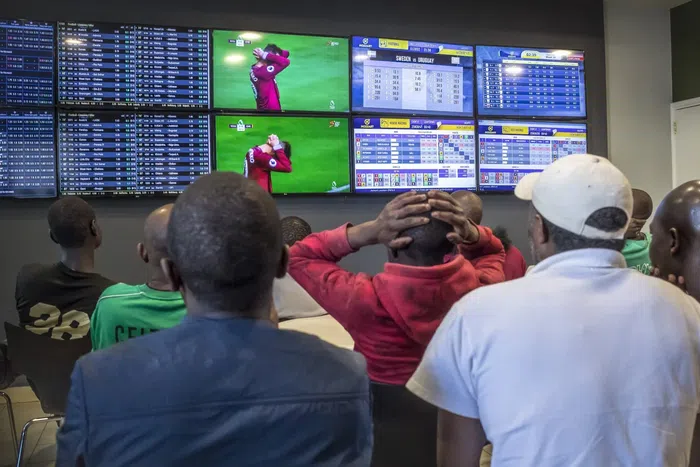
Yesterday, 28 January 2026, 18 Premier League matches kicked off almost simultaneously. Across Nigeria and many other parts of the world, betting slips flooded WhatsApp, Telegram, and X as fans rushed to place their bets.
People confidently said they would “hammer” and wake up millionaires.
We’re about to reshuffle the Forbes list https://t.co/LcvFmaliMQ pic.twitter.com/eo9tXG78aF
— F4kaika🦅 (@Faksback666) January 28, 2026

Sadly, it was the latter. Instead of alerts, there were tears everywhere on the timeline.

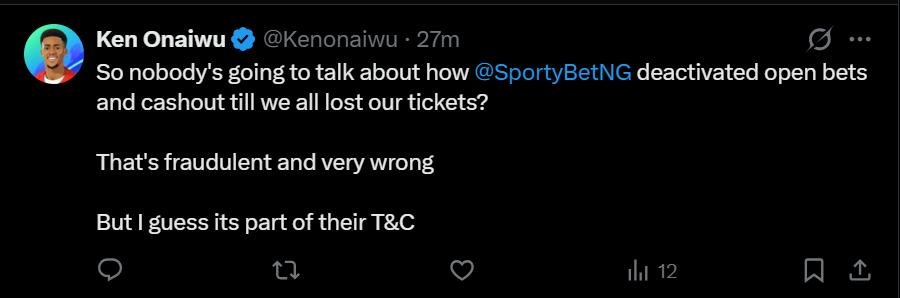
A certain sports betting app in Nigeria is even being called out for being fraudulent because the “site crashed” when it mattered.
This cycle is not new. It’s not your bad luck either. It is design.
Sports betting companies have a system carefully built to keep people betting, and that is how they quietly fool millions time and time again.
You think they don’t want to make the most money off you? You think they derive joy when you cash out millions? Think again.
ALSO READ: Davido Misses ₦495M Win as Super Eagles’ AFCON Loss Hits Nigerian Celebrities
How Sports Betting Apps Are Designed To Make You Lose

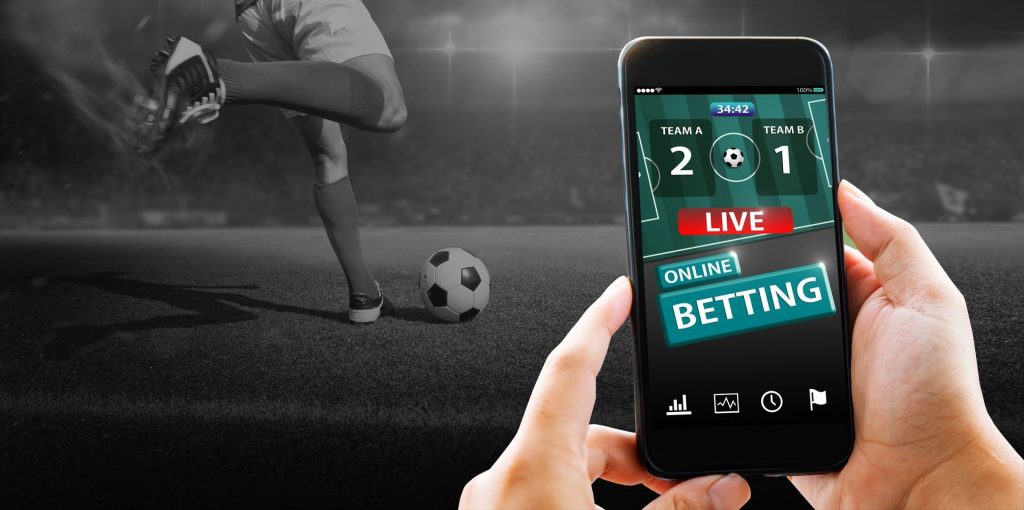
Sports betting has exploded in recent years, especially with mobile apps. You can place a bet anywhere, anytime, with just a few taps. However, these apps operate like casinos.
Every feature, from odds to pop-ups, is engineered using psychology and maths to favour the bookmaker.
A bookmaker (or “bookie”) is an individual or organisation, such as a licensed betting agency or online sportsbook, that sets odds, accepts wagers, and pays out winnings on various events, primarily sports.
Here’s how they trick you:
1. The power of random rewards
One reason betting feels addictive is unpredictable wins because you just never know; any day could be your day, and that is enough to keep you hooked. In fact, occasional wins are more powerful than regular ones.
When a win comes unexpectedly, the brain releases dopamine, the chemical linked to pleasure and motivation. Interestingly, dopamine peaks not when rewards are big, but when you are unsure if you will win at all.
That uncertainty keeps people chasing the next bet, believing the next one might be “the one.”
2. In-play betting keeps you locked in
Traditional bets had a clear start and finish. Today, betting apps push in-play bets, wagers you can place every minute during a match.
This rapid cycle of:
- placing a bet
- seeing the result
- placing another bet
creates what researchers call dark flow. You feel absorbed, focused, and strangely unable to stop. It becomes easier to keep betting than to walk away.
RECALL: He Got 15 AFCON Predictions Right—Now He Reveals Nigeria vs Algeria Verdict
3. Near-misses are not accidents
Have you ever lost a bet because just one game failed? Or because a player needed one more shot?
That is called a near miss, and it is one of the most dangerous tricks in gambling.
Even though you lost, your brain reacts almost like you won. The anticipation and closeness trigger the same reward as an actual win. As a result, you feel encouraged to try again.
4. Sports betting companies don’t rely on luck like you
As much as you are determined to cash out your bet, they are also determined to make money off you, so they rely on:
- Anchoring: They show you a bad starting price first so the “boosted” odds look like a good deal, even when they are not.
- Framing: They use bright colours, bold words like “super boost,” and exciting layouts to make ordinary bets feel special.
- Familiarity bias: They rely on well-known teams and players so the bet feels safe and predictable, even when the odds are poor.
- Near-misses: They design bets that often fail by one small detail, making losses feel close to wins and encouraging you to try again.
- Urgency and FOMO (fear of missing out): They add time limits and phrases like “ending soon” to pressure you into betting quickly without thinking.
- Restricted stakes: They cap how much you can stake so the bookmaker controls risk while making the offer feel exclusive.
- Subjective outcomes: They use vague or technical definitions, which they can rule against you.
Each trick alone seems harmless, but together, they form a powerful illusion. So, the next time odds look “too good to miss,” remember that the numbers do not lie and the bookie always wins, by design.
YOU MIGHT LIKE: Archive Core or Alté—What’s The Difference?
Here’s an uncomfortable truth for you: The global gambling industry makes hundreds of billions every year. Shockingly, 15–50% of that revenue comes from people with gambling problems.
This is not a coincidence. Sports betting is a business model built on psychology.

About The Author