




Dating these days is an online ritual involving checking for potential suitors on social networking and dating sites, liking their pictures or profiles, and waiting for the person who can make the first move. This charade usually involves a date to a restaurant where you check out your potential partner.
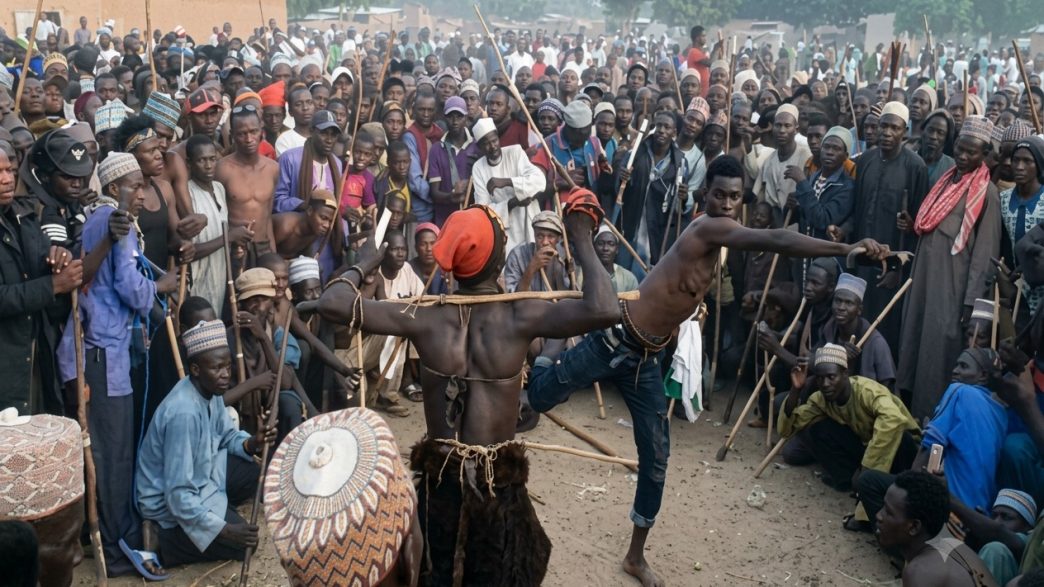
However, there was a time in Northern Nigeria, and it still happens in some parts of the country, where a man is beaten to prove how much he loves a woman. With how terrible the dating scene is, I know many people won’t mind such a display of love, romance, bravado, and endurance.
SEE ALSO: Meet the African Tribes With the Tallest People in the World

The Shadi Tradition
The Shadi tradition among the Fulani people served as a cultural test of bravery, determining a suitor’s worthiness to marry a woman through a public endurance contest. Instead of engaging in violent rivalry, two men would be flogged with canes by each other in front of family and community members, with the expectation that neither would show weakness. The man exhibiting more strength would win the right to marry.
In an interview with BBC, a man said; “If you are a really brave man, you can open your arms and take the beating. You will become hot among the ladies.”
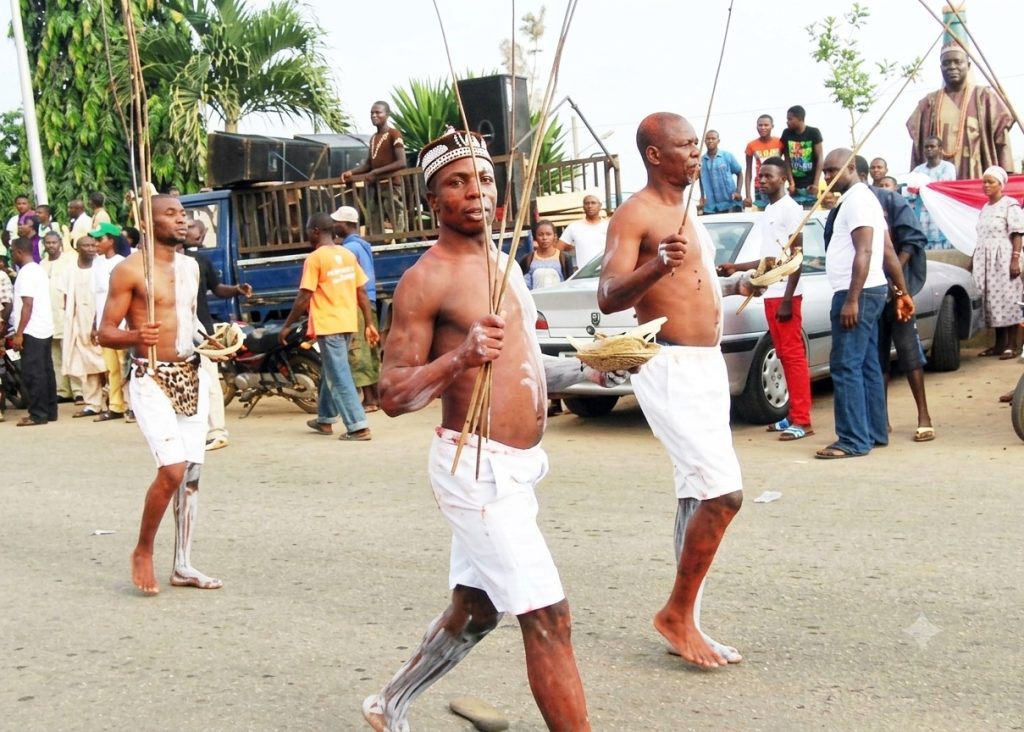
While painful, Shadi was also a celebratory event with traditional music and crowds, reflecting the communal values of traditional African societies where marriage was a collective matter.
Today, the tradition of Shadi, which was once a communal affair involving families and elders, has reduced among the Fulani due to shifting social values, Western education, religious influences, and rising concerns about human rights and personal freedom. Younger generations increasingly perceive marriage as a consensual relationship rather than a series of public challenges, which is their loss, to be honest.
Despite its decline, Shadi continues to be remembered through stories in northern Nigeria, reflecting a time when masculinity and honour were testaments of love. Throughout Africa, courtship involved quests, and ‘Shadi’ represents a rich cultural heritage that shows how communities were previously defined by bravery, discipline, and devotion and not mere promises.
ALSO READ: Africa and Asia Meet in This One Country

About The Author