


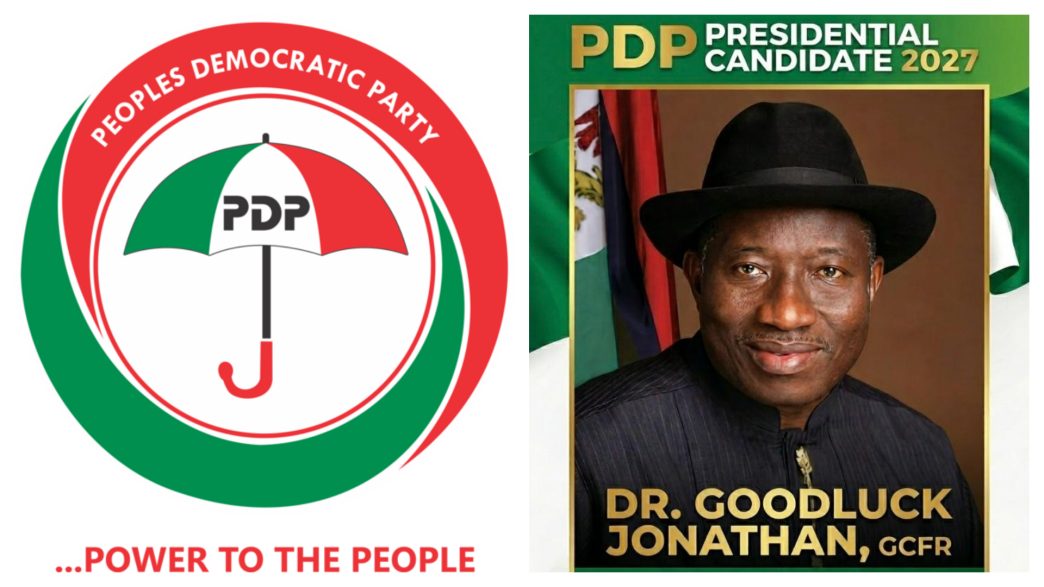
The Peoples Democratic Party has officially announced Dr Goodluck Jonathan as its presidential candidate for the 2027 election: the man who led Nigeria from 2010 to 2015 is now ready to return to Aso Rock.
The announcement has split the internet; some see it as a redemption arc, others see a trap.
What People Are Saying
The announcement has generated strong reactions across social media. Here is what some users are posting. 
One user warned Jonathan about his legacy:
“GEJ should keep whatever is left of his legacy. It was his cowardice that brought us to this position we’re in. I believe BAT is trying to use him to split OBI’s votes. PDP is dead and gone.”
Another suggested the party is too weak to fight alone:
“The best thing PDP can do for this great country is to merge with another party to have the force and manpower to unseat the failed APC administration. That aside, there’s no fight for APC.”
A third user expressed confusion and suspicion:
“This whole thing doesn’t make sense. Very unlike GEJ. My gut is telling me he might be under duress. They need enough people on the ballot to divide voters and justify numbers. 2027 is going to be an interesting year in Nigeria’s history.”
SEE ALSO: Jonathan or Tinubu? Who Presided Over Nigeria’s Worst Security Crisis?
A Look Back: PDP’s Past Presidential Candidates
Before Jonathan, the PDP had chosen other names. Each came with its own promise and disappointment.
1999–2007: Olusegun Obasanjo
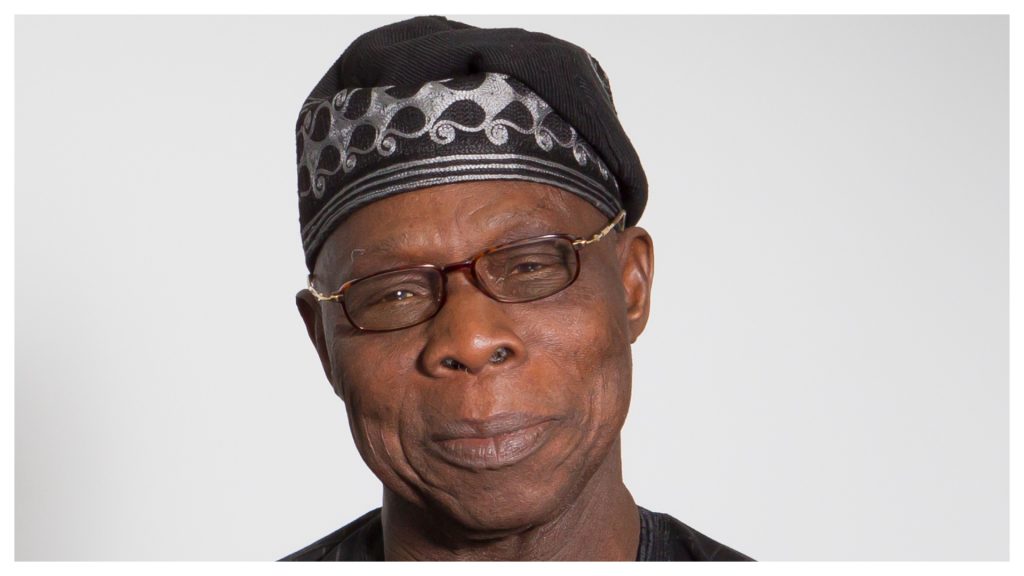
The former military ruler turned civilian president. He won two terms and his tenure was marked by economic reforms, privatisation, and accusations of third-term ambition.
2007–2010: Umaru Musa Yar’Adua
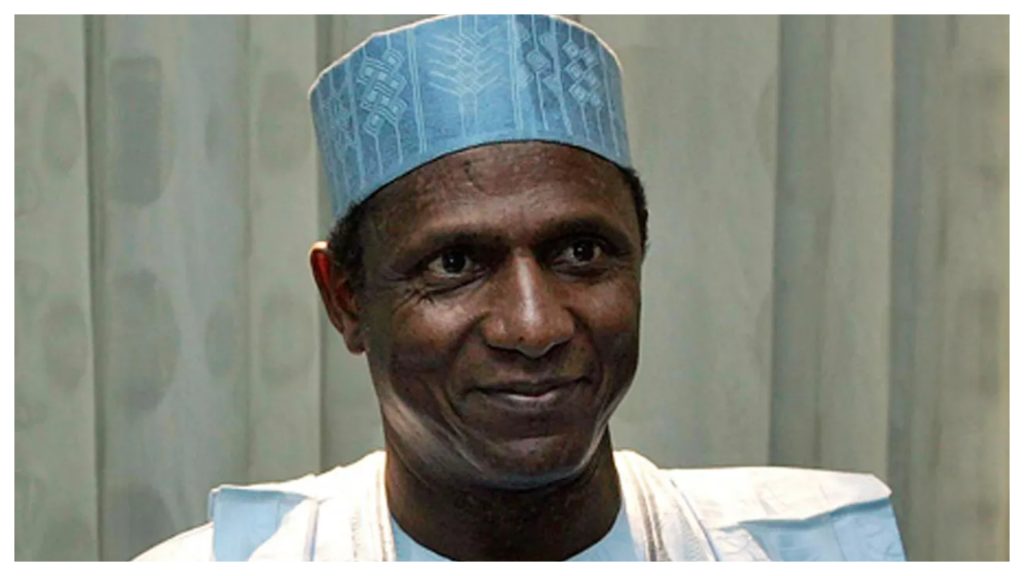
A quiet academic who promised electoral reform. He died in office after a long illness. His vice president, Goodluck Jonathan, took over.
2011: Goodluck Jonathan
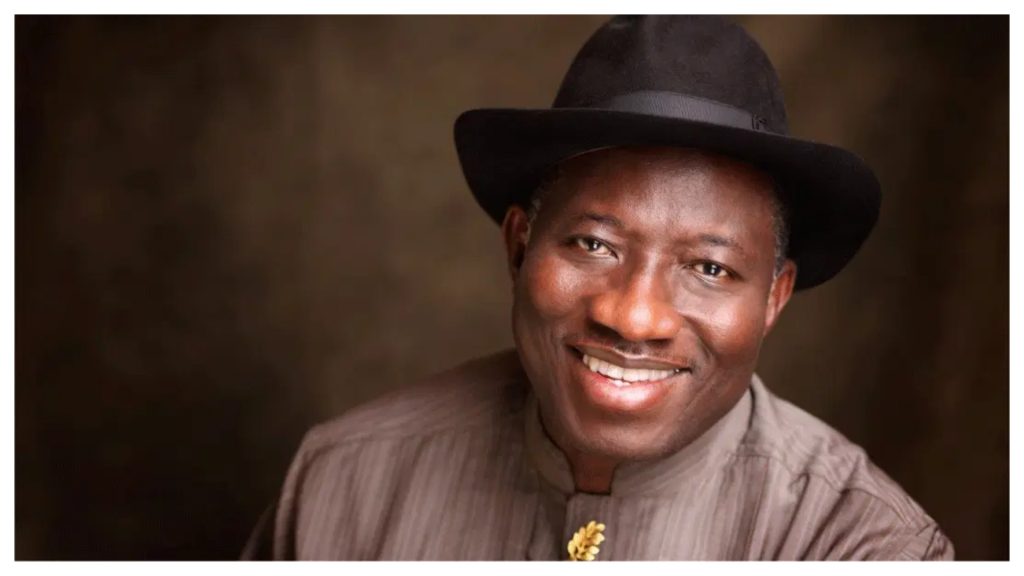
He won his own term in 2011. He lost to Muhammadu Buhari in 2015. That loss made him the first incumbent Nigerian president to be defeated in an election.
2019: Atiku Abubakar
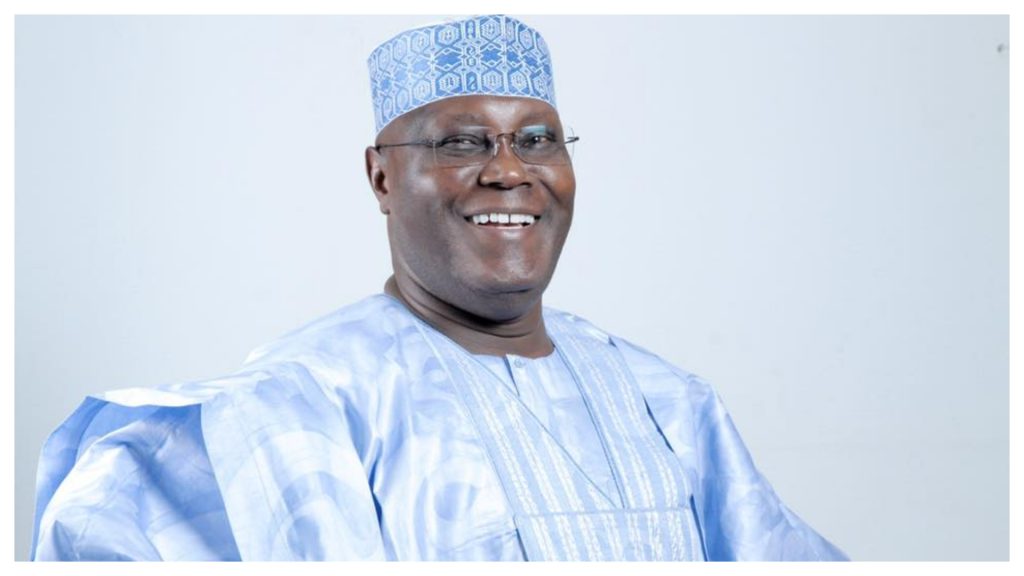
The former vice president ran twice. He lost to Buhari both times.
2023: Atiku Abubakar
Another attempt. Another loss. This time to Bola Tinubu.
Now the party has gone back to Jonathan. The man who lost once is being asked to try again.
The Duress Question
That last comment raises a question many are whispering: Is Goodluck Jonathan running willingly?
He has spent years building an international reputation through election observer missions, peace talks, and a quiet life away from Nigeria’s chaotic political scene; returning to run for president would undo much of that carefully crafted image.
Some believe the current administration supports his candidacy, not because they want him to win, but because they want him to split votes, as a divided opposition makes the incumbent’s path easier.
What Jonathan’s Candidacy Means
If Jonathan runs, he brings two things: a quiet demeanour and a record that some remember fondly and others critically.
His supporters point to the transformation agenda, the rebased economy that made Nigeria Africa’s largest economy, and his peaceful concession in 2015. They see a statesman who put his country first.
However, his critics remember the Chibok girls, the stalled power sector, and a president perceived to be too soft, too slow, and too disconnected from the country’s security crisis.
Both sides agree on one thing: 2027 will not be boring.
The Bottom Line
Goodluck Jonathan is back; PDP has chosen him and the internet is arguing.
Some believe he should protect his legacy and stay home, others think the party is too weak to win without a merger, and a growing number suspect he is being pushed into the race against his will.
What is clear is that 2027 is shaping up to be one of the most unpredictable elections in Nigeria’s history.

About The Author