



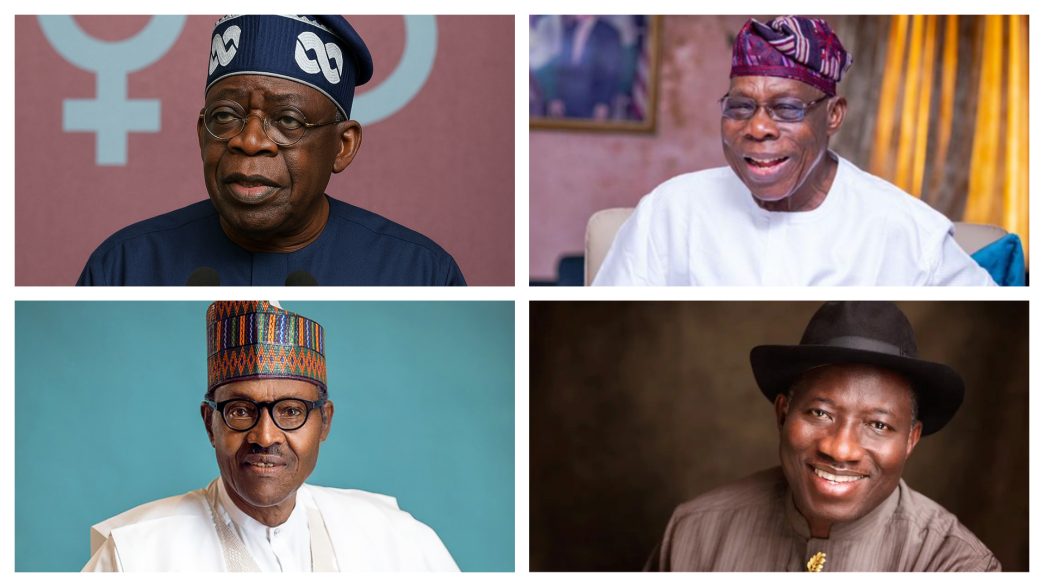
Before we rank anything, let us establish a fundamental truth: Nigeria’s insecurity is not the fault of a single leader, nor does it end when power changes hands. Instead, the crisis is a long-standing wildfire, one that each successive administration has either managed to contain or, through failure and inaction, poured petrol on.
Yet, while the crisis is continuous, the eras themselves were far from equal. Some presidents inherited disaster, others created it, and a few managed to do both simultaneously. Here is the honest reckoning, president by president.
Olusegun Obasanjo — 1999 to 2007: Democracy’s Bloody Debut
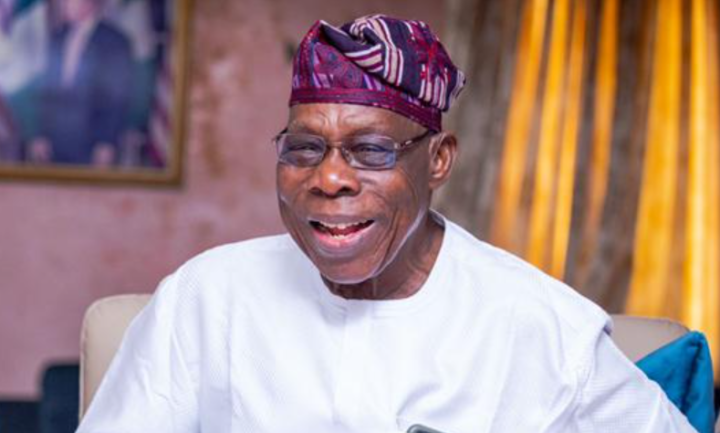
Nigeria returned to civilian rule in 1999 with enormous hope but almost immediate violence. Under President Olusegun Obasanjo’s watch, over 10,000 people perished in ethnic clashes alone, according to data compiled by the Council on Foreign Relations’ Nigeria Security Tracker. Simultaneously, the Niger Delta was burning; MEND, the Movement for the Emancipation of the Niger Delta, regularly made international headlines by blowing up oil pipelines and kidnapping foreign workers. 
Compounding the crisis was the military’s response, which was often more devastating than the problems it claimed to solve. This era witnessed the infamous Odi massacre in Bayelsa, where soldiers killed an estimated 2,000 civilians following the murder of several police officers, as well as brutal military crackdowns across the Middle Belt in Benue and Taraba. According to Human Rights Watch documentation from that period, Nigerian armed forces were responsible for killing 529 unarmed civilians out of the 880 violent incidents they intervened in.
OPC Killings
Often left out of the mainstream conversation is the role of the Oodua People’s Congress (OPC) during this period. The Yoruba ethnic militia carried out significant violence across southwestern Nigeria, clashing with Hausa-Fulani communities, local police, and rival groups in clashes that left hundreds dead, particularly in Lagos. Human Rights Watch documented these killings extensively between 1999 and 2001. The federal government’s relationship with the group remained deeply complicated; Obasanjo, himself a Yoruba, was frequently accused of turning a blind eye to their activities.
More importantly, the seeds of Boko Haram were also planted during this era. Founded by Mohammed Yusuf in Maiduguri around 2002, toward the end of Obasanjo’s first term, the movement was still largely ideological and focused on recruitment rather than mass casualty attacks. However, the exact state fractures that would later make the group lethal were already forming while Obasanjo occupied Aso Rock.
Obasanjo’s Nigeria was far from peaceful. It was a nation awkwardly figuring out how to be a democracy while its security institutions were still structurally built for military rule. Ultimately, the Niger Delta crisis he failed to durably resolve would go on to haunt every single president who succeeded him.
Umaru Musa Yar’adua — 2007 to 2010: The President Who Almost Fixed the Delta
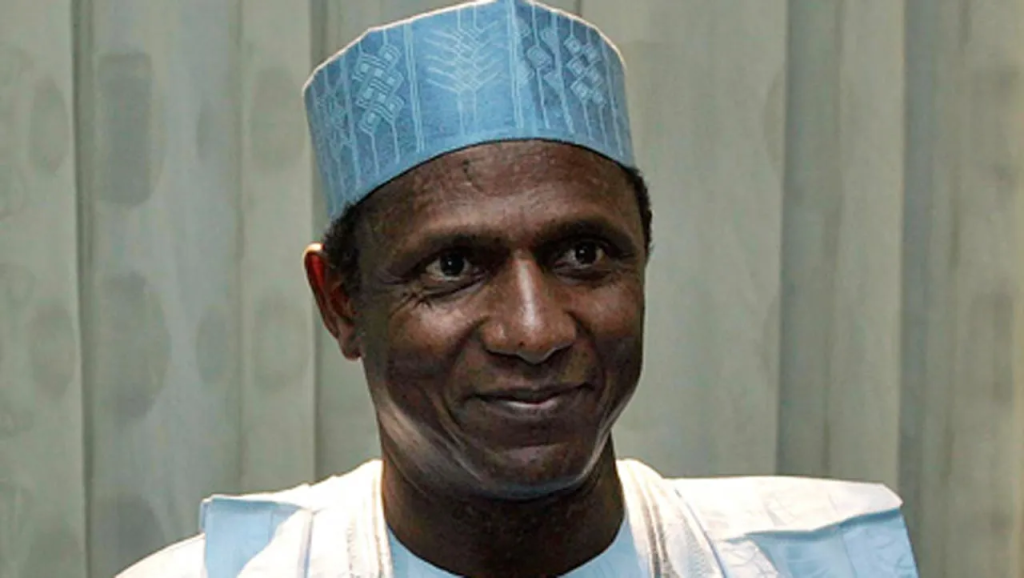
Umaru Musa Yar’adua’s tenure was short—he died in office in 2010—but it produced one of Nigeria’s most genuinely effective security interventions. His government initiated an amnesty programme that encouraged Niger Delta militants to renounce violence, relinquish arms, and accept skills acquisition and monthly stipends in exchange for peace. The amnesty immediately saw a sharp reduction in oil disruptions and a measurable improvement in regional stability.
He was not perfect; the north was increasingly restless, and Boko Haram was beginning to grow more organised. Yet, Yar’adua’s handling of the Niger Delta remains one of the few genuine security successes any modern Nigerian administration can point to. The tragedy of his legacy is that he passed away before he could do more.
Crucially, while Yar’adua created the amnesty framework, the programme gained its fullest prominence and implementation under the administrations that followed. It was under Goodluck Jonathan and Muhammadu Buhari that the initiative was most heavily funded—and most fiercely criticised for simply paying off militants without addressing the underlying socio-economic grievances that created them.
Goodluck Jonathan — 2010 to 2015: The Years the Northeast Burnt.
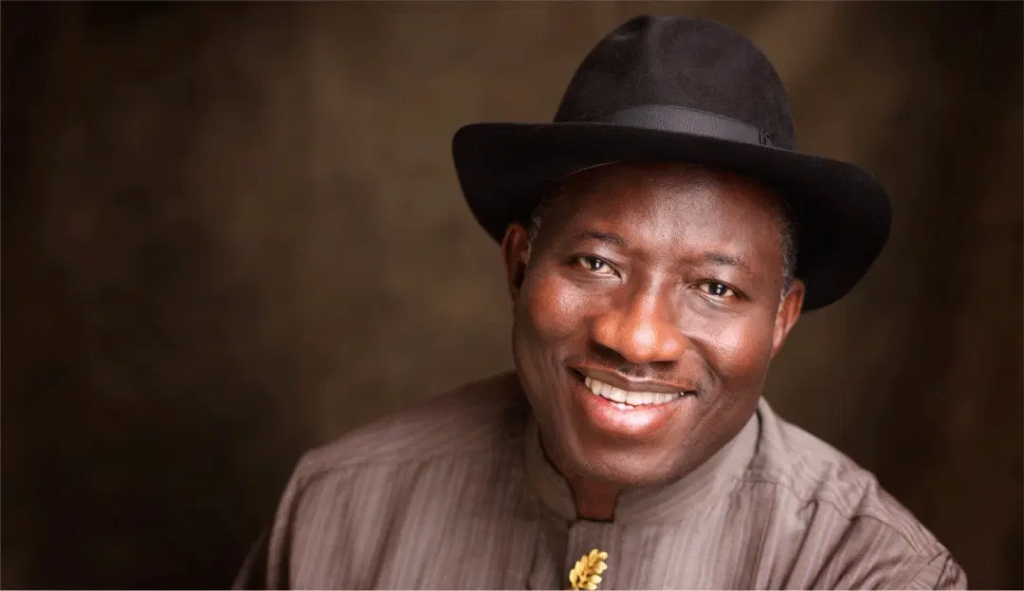
Goodluck Jonathan inherited the Delta amnesty and a country that was, relatively speaking, calmer than it had been. Then Boko Haram came for everything.
From June 2011 through June 2018, nearly 37,530 people were killed in Boko Haram-related incidents, according to data from the Armed Conflict Location & Event Data Project (ACLED). The conflict escalated rapidly from 2012 and peaked between 2014 and 2015—years that recorded the worst civilian death tolls in the entire history of the insurgency.
By the end of 2013 alone, the Council on Foreign Relations’ Nigeria Security Tracker had recorded more than 1,200 deaths attributable to Boko Haram attacks. Then came April 2014, when 276 schoolgirls were abducted from Chibok. The #BringBackOurGirls campaign went global, and the world watched in horror. The girls were not brought back, not all of them, and certainly not quickly.
Jonathan’s military response was, by most accounts, sluggish and ineffective for the majority of his tenure. His administration lacked a coherent counter-insurgency strategy, often responding in ways that aggravated the situation. By early 2015, Boko Haram had seized and was actively governing a territory the size of Belgium across Borno, Yobe, and Adamawa states, according to reports by Amnesty International and the International Crisis Group.
Meanwhile, the Niger Delta Amnesty Programme—which Yar’adua conceived—continued to run under Jonathan and was significantly expanded. Thousands of former militants received monthly stipends, training, and educational support. While the programme achieved genuine milestones, and pipeline attacks declined markedly, critics argued it merely created a class of professional ex-militants whose cooperation depended entirely on continuous government payments rather than genuine reconciliation.
When Jonathan lost the 2015 election, he conceded gracefully. Nigeria called it a democratic miracle. But the North East was still on fire.
Muhammadu Buhari — 2015 to 2023: The President Who Declared Victory and Then Watched It Disappear
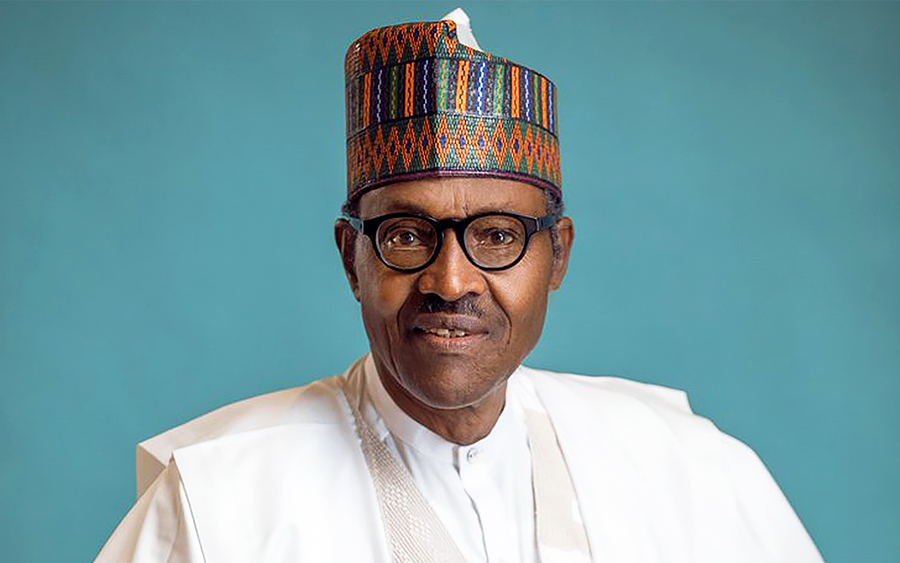
Muhammadu Buhari assumed office on a strict security mandate. As a former military general, his primary promise was to crush Boko Haram, and by December 2015, just months into his tenure, he confidently declared that the insurgent group had been “technically defeated”.
It was not defeated. Instead, the group fractured, evolved into ISWAP (Islamic State West Africa Province), and continued its campaign of terror.
Meanwhile, an entirely new crisis was quietly metastasising in the Northwest as armed banditry exploded. According to a report by the Nigerian think tank Nextier SPD, between 2018 and 2020 alone, armed bandits caused at least 4,900 deaths and displaced hundreds of thousands of citizens across the region.
Concurrently, kidnapping mutated into a massive growth industry characterised by daring highway ambushes, mass ransom operations run like corporate enterprises, and traumatising school abductions.
Evans the Billionaire Kidnapper
It was also during this era that one of Nigeria’s most notorious criminal kingpins was finally brought down. Chukwudumeme Onwuamadike, better known as “Evans the Billionaire Kidnapper”, was arrested by the Lagos State Police Command in June 2017 after orchestrating the abductions of several high-profile Nigerians and accumulating hundreds of millions of naira in ransom.
While his arrest was widely celebrated as a rare, clean win for Buhari’s security apparatus, critics noted it had taken years to apprehend a man whose operations had long been an open secret in the criminal underworld.
The overall numbers from this era are staggering. Between 2019 and 2023, Nigeria lost nearly 25,000 citizens to violence, according to data from ACLED and SBM Intelligence, with insecurity creeping into regions previously considered safe, including the federal capital, Abuja.
Amidst this chaos, the Niger Delta Amnesty Programme sputtered along under Buhari, plagued by controversy. Payments were routinely delayed, stipends were owed to ex-militants for months at a time, and when Buhari announced plans to wind down the initiative in 2021, the decision was swiftly reversed following immediate threats of renewed regional militancy.
Ultimately, Buhari left office in 2023 with Nigeria significantly more dangerous than he found it. What aggravated the tragedy was the administration’s pervasive silence: a stubborn, detached refusal to acknowledge the true scale of the bloodshed while the country burnt.
Bola Ahmed Tinubu — 2023 to Present: The Numbers That Are Hard to Argue With
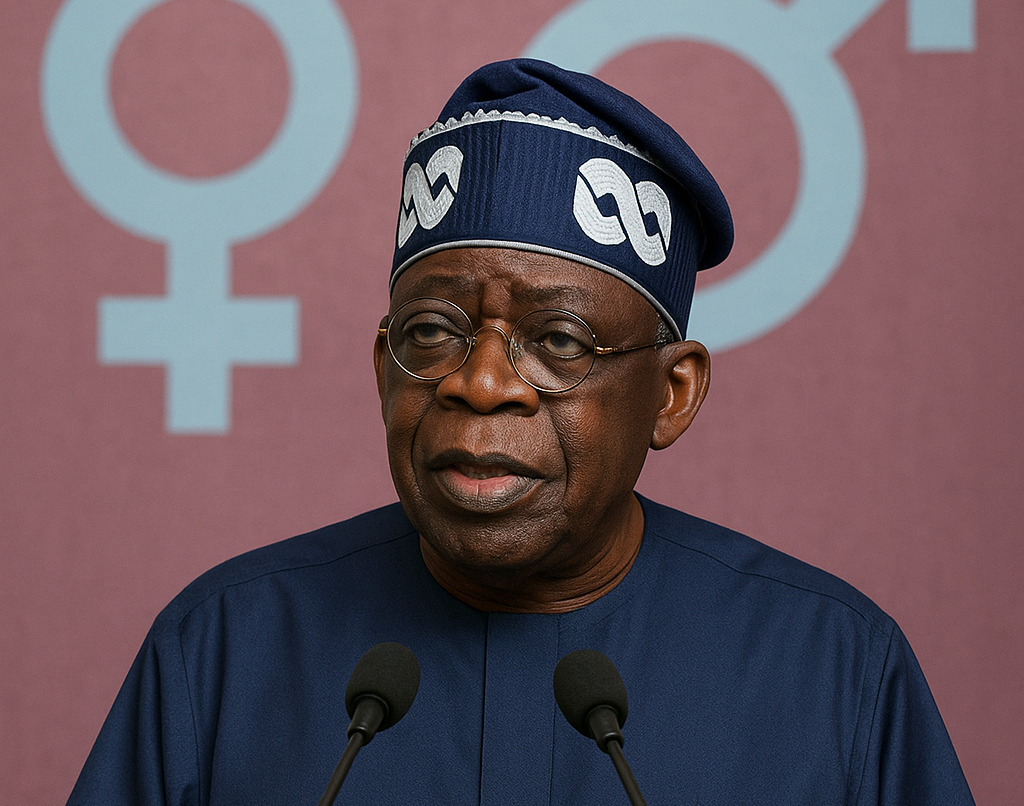
Here is where the current conversation sits, and the numbers are stark.
In Bola Tinubu’s first year alone, more than 4,556 people were killed and 7,086 abducted across Nigeria, according to the Nigeria Security Tracker published by the Council on Foreign Relations. This surpassed the previous year’s figures under Buhari, and the trajectory has not slowed down since.
According to a Nigeria Security Report published by Beacon Consulting, since Tinubu’s inauguration on May 29, 2023, a staggering 13,346 people have been killed and 9,207 abducted across 667 local government areas. These casualties are attributed to a cocktail of terrorism, banditry, farmer-herder conflicts, and deep-seated social upheaval.
The crisis reached a terrifying milestone in November, when data from SBM Intelligence revealed that at least 402 people—mostly schoolchildren—were kidnapped across four states in the North-Central region in a single month. The wave effectively eclipsed the scale of the 2014 Chibok abduction that originally shocked the world.
Tinubu’s response to enquiries regarding the crisis has been to characterise it as “inherited security compromises”. While this is partly true—as every president on this list inherited a broken nation from his predecessor—the fundamental question remains: what do you actually do with that inheritance?
SEE ALSO: 16 Female Students Killed in Kenya Boarding School Fire: What Caused It?
Who Presided Over Nigeria’s Worst Democratic-Era Insecurity?
The honest answer is that each era had its own distinct version of catastrophe. Obasanjo’s tenure was defined by ethnic massacres, OPC violence, and a bleeding Niger Delta. Jonathan faced Boko Haram at its most lethal. Buhari oversaw the explosion of northwest banditry, commercialised kidnapping, and a slow collapse of state authority across the north.
What the data under Tinubu illustrates, however, is the cumulative weight of all these crises arriving simultaneously: terrorism remains deeply entrenched in the Northeast, banditry runs unchecked in the Northwest, kidnapping has aggressively migrated south, and an economy in freefall makes every grievance sharper and every act of desperation deeper.
According to ACLED’s data, Boko Haram and its faction, ISWAP, were responsible for 66% of all violent deaths in Nigeria. The threat is not declining; it is not contained. It remains a staggering sixty-six per cent.
Ultimately, Nigeria does not have an insecurity problem that belongs to a single president. It suffers from a structural, institutional, and generational failure that every leader since 1999 has managed poorly in their own unique way. The fire has always been burning. What changes is merely which part of the country is currently on fire and how many people are trapped inside it.
The most dangerous question is not which president was the worst. The most dangerous question is what happens if the next one is exactly the same.

About The Author