



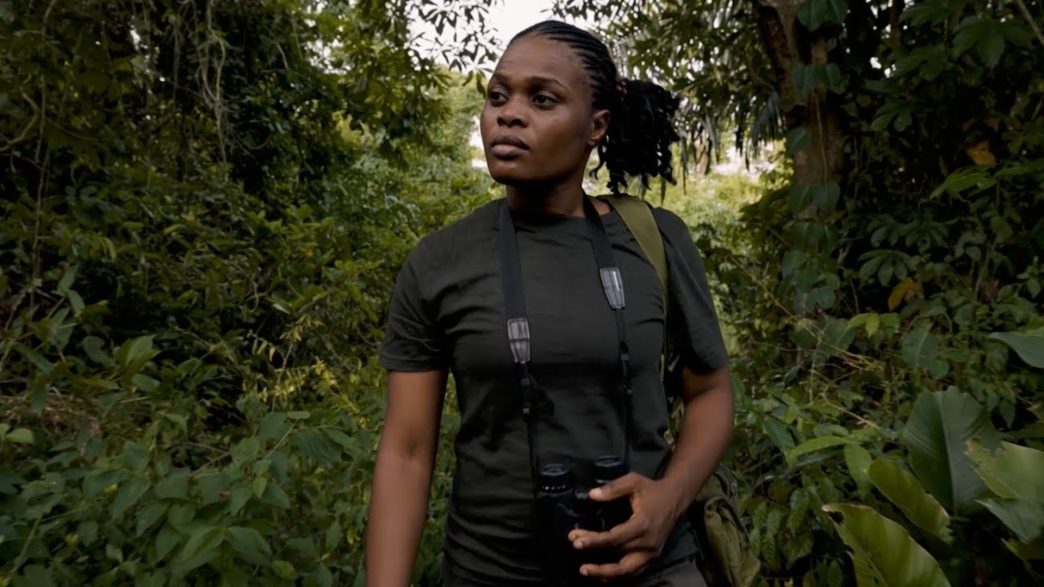
Rachel Ikeme, a Nigerian conservationist, has been named one of the 2026 Rolex Laureates for her work protecting the endangered Niger Delta red colobus monkey. Her achievement has placed Nigeria on the global conservation map.
While many people associate Nigeria’s Niger Delta with crude oil, pipelines and environmental pollution, Rachel Ikemeh saw something entirely different: a rare primate on the brink of disappearing forever.
This unwavering commitment has now earned her one of the world’s highest environmental honours, the Rolex Awards for Enterprise. 
Rachel Ikemeh’s recognition is more than a personal achievement. It places Nigeria at the centre of global conservation efforts, drawing international attention to the critically endangered Niger Delta red colobus monkey and the urgent need to protect the country’s fragile forest ecosystems.
As one of only five recipients of the 2026 Rolex Award and the only Nigerian honoured this year, Rachel Ikemeh’s remarkable journey proves that local conservation initiatives can inspire global change.
Who Is Rachel Ikemeh?
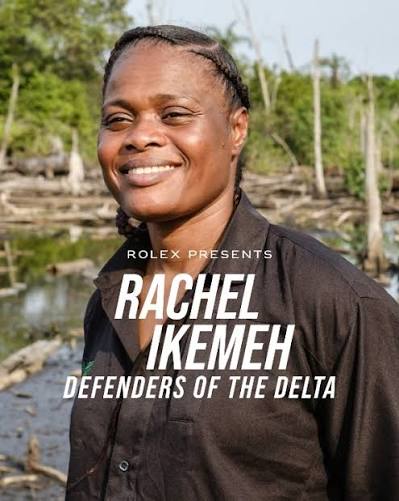
Rachel Ikemeh is the Founder and Director of the SW/Niger Delta Forest Project, a grassroots conservation initiative dedicated to protecting fragile ecosystems through scientific research, habitat restoration and community-led conservation programmes.
Her recent work focuses on community-led wildlife conservation and restoring threatened forest and marine ecosystems in southern Nigeria.
Her efforts have helped protect the critically endangered Niger Delta red colobus monkey by establishing community-led protected areas where the species can live and breed safely. These initiatives have doubled local monkey populations while restoring vital habitats.
Over the years, Ikemeh has become one of Africa’s leading voices in biodiversity conservation, working closely with local communities to safeguard endangered wildlife while promoting sustainable livelihoods.
Her approach is based on a simple but powerful belief: conservation is most effective when local communities become active partners in protecting the natural environment.
ALSO READ: Why Food Festivals Are Becoming Nigeria’s New Lifestyle Obsession
A Mission to Save One of the World’s Rarest Primates
Among Rachel Ikeme’s most significant achievements is helping rescue the critically endangered Niger Delta red colobus monkey from the brink of extinction.
Found only in a small part of Nigeria’s Niger Delta, the species is recognised as one of the 25 most endangered primates in the world, making its survival a global conservation priority.
Through years of research, habitat protection and community engagement, Ikemeh has helped secure safer habitats for the species while raising international awareness about its fragile future.
Her work demonstrates how locally driven conservation can deliver measurable results, even in regions facing environmental degradation and security challenges.
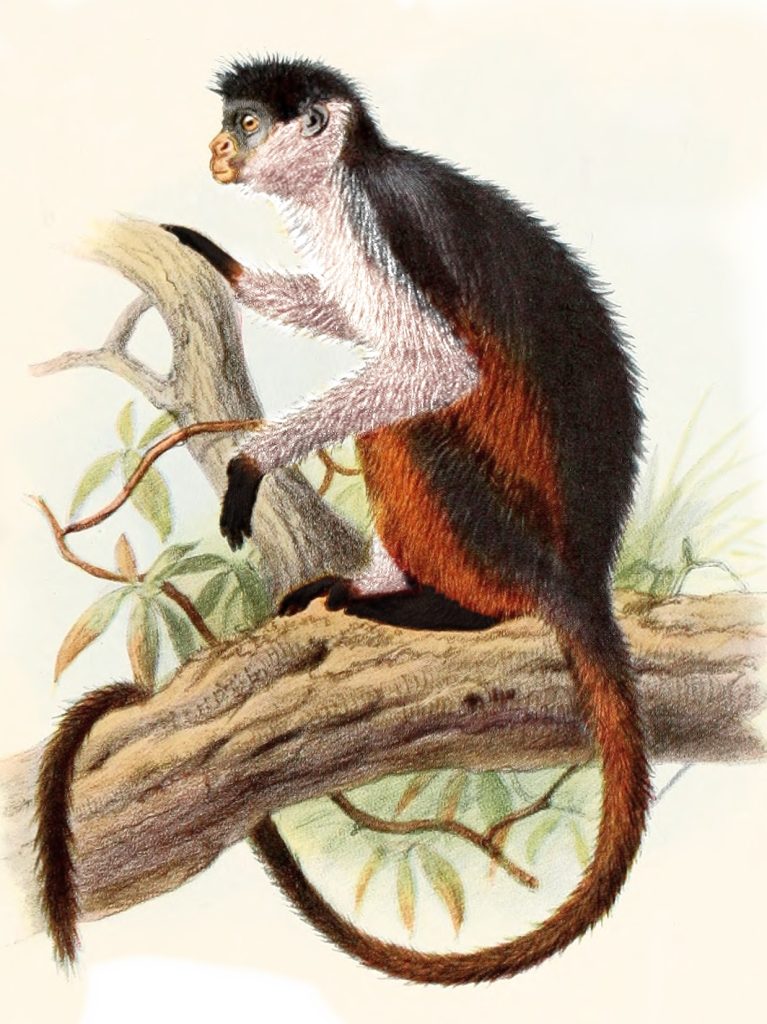
The Niger Delta Red Colobus Monkey
For many Nigerians, the Niger Delta red colobus monkey is an unfamiliar species.
Yet conservationists consider it one of the country’s most important animals because its survival reflects the health of the forests it calls home.
Red colobus monkeys are among Africa’s most threatened primates, with more than 75 per cent of their 18 recognised taxa classified as endangered or critically endangered.
Because they depend on mature, undisturbed tropical forests, scientists often describe them as indicators of forest health. When their populations begin to disappear, it is usually a sign that an ecosystem is under severe pressure from hunting, deforestation or habitat degradation.
A Species Pushed to the Brink of Extinction
Over the past several decades, populations of the Niger Delta red colobus monkey have fallen dramatically due to aggressive bushmeat hunting, illegal logging and widespread deforestation.
As forests are cleared for farming, infrastructure and other human activities, the monkeys lose the continuous canopy they rely on for feeding, shelter and movement.
Scientists estimate that some red colobus populations have declined by as much as 80 per cent, making urgent conservation efforts essential to prevent their extinction.
Red colobus monkeys (genus Piliocolobus) are among Africa’s most threatened primates, with more than 75 per cent of their 18 recognised taxa classified as Endangered or Critically Endangered. Nigeria is home to two critically endangered taxa: the Preuss’s red colobus, found in Cross River National Park, and the Niger Delta red colobus, which survives only in a small section of the Niger Delta. Without sustained intervention, conservationists warn that one of Nigeria’s rarest primates could disappear forever.
Their decline is therefore more than the loss of a single species; it is a warning that an entire forest ecosystem is under threat.
Rachel Ikemeh Joins the Prestigious Rolex Awards Laureates
Rachel Ikemeh’s years of dedication have now earned her international recognition through the Rolex Awards for Enterprise, one of the world’s most respected honours for individuals driving innovative solutions to global challenges.
Founded in 1976, the Rolex Awards recognise visionary changemakers whose projects improve lives, advance scientific discovery and protect the environment.
As the programme celebrates its 50th anniversary, the 2026 Rolex Award edition honours five exceptional women from across the globe, representing Nigeria, Indonesia, Peru, China and the United States.
Ikemeh is the only Nigerian among this year’s laureates, making her achievement a significant milestone for both the country and the African conservation community.
Why the Rolex Award Matters
Unlike many international honours that recognise past accomplishments alone, the Rolex Awards invest in ideas capable of creating long-term impact.
For Rachel Ikemeh, the award celebrates years of commitment to protecting one of Nigeria’s rarest primates while demonstrating that conservation can succeed through innovation, scientific research and community partnerships.
It also shines a global spotlight on Nigeria’s biodiversity, reinforcing the importance of preserving ecosystems that support both wildlife and human livelihoods.
ALSO READ: How Jacinta Ngobese-Zuma Became the Face of South Africa’s Anti-Immigrant Fight
A Global Honour, A National Responsibility
Rachel Ikemeh’s recognition as a 2026 Rolex Laureate is more than a celebration of individual excellence. It reflects the growing influence of African conservationists in shaping global conversations about biodiversity, sustainability and environmental protection.
Her work has drawn international attention to the critically endangered Niger Delta red colobus monkey. More importantly, it has reminded the world that some of the most innovative solutions to environmental challenges are emerging from local communities, led by people who understand the landscapes they are working to protect.
For young Nigerians, particularly those considering careers in environmental science, ecology and wildlife conservation, her story offers an important lesson: meaningful change often begins with protecting what others overlook.

About The Author