


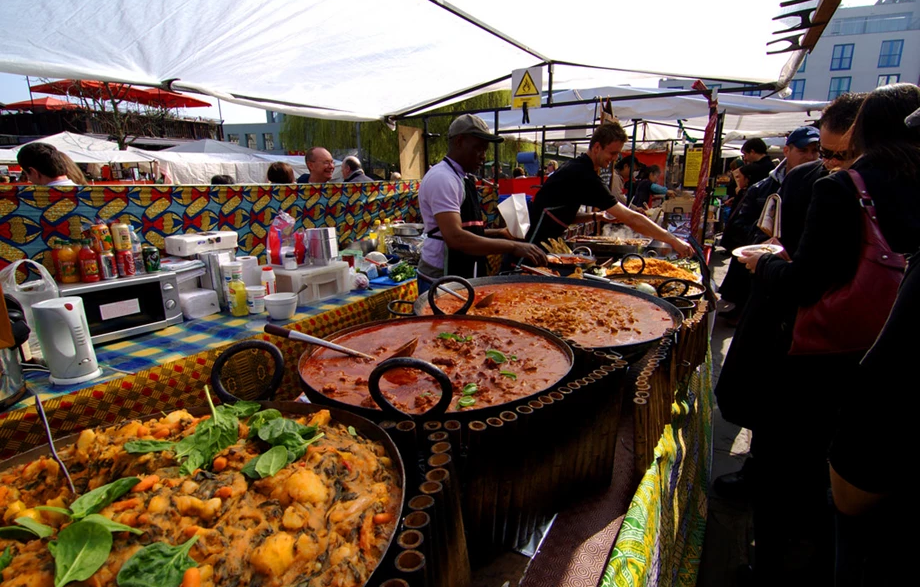
For many young Nigerians today, a memorable weekend is no longer just defined by a night out at a lounge or a concert ticket. Increasingly, it is about shared experiences—trying new meals, creating social media content, discovering local brands and spending time in vibrant community spaces.
This shift is helping fuel the rapid rise of food festivals across Nigeria, with major consumer brands investing heavily in culinary events that blend food, entertainment and culture into a single experience.
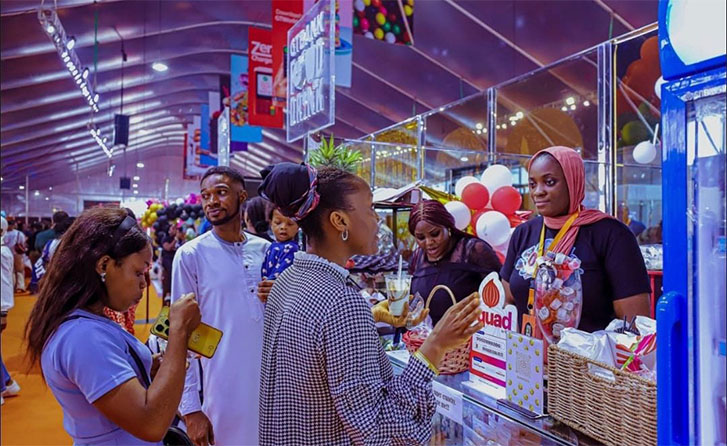
GTCO Food and drink, Lagos Food Fest, Boli Festival in Port Harcourt and the latest example is the Knorr Jollof Fest, which is set to arrive in Abuja on July 12 after attracting a large turnout during its Lagos edition despite heavy rainfall. While the event will feature Nigeria’s favourite jollof rice, live entertainment and interactive experiences, its significance goes beyond the festival itself.
It reflects a growing trend in how Nigerians choose to socialise, celebrate culture and engage with brands.
From Advertising Products to Creating Experiences
Traditional advertising is no longer enough to capture the attention of younger consumers.
Instead, companies are increasingly creating immersive experiences that allow people to interact with products in real-life settings while enjoying music, food and cultural performances.
For brands, these festivals build stronger emotional connections with consumers than television commercials or billboards ever could.
For attendees, they offer something equally valuable—an opportunity to meet people, discover new flavours and create memorable experiences without the formal atmosphere of traditional corporate events.
The organisers of the Abuja festival say visitors can expect food tasting sessions, cooking demonstrations, live conversations, entertainment performances and interactive activity zones designed to celebrate Nigerian cuisine.
Why Food Festivals Are Thriving
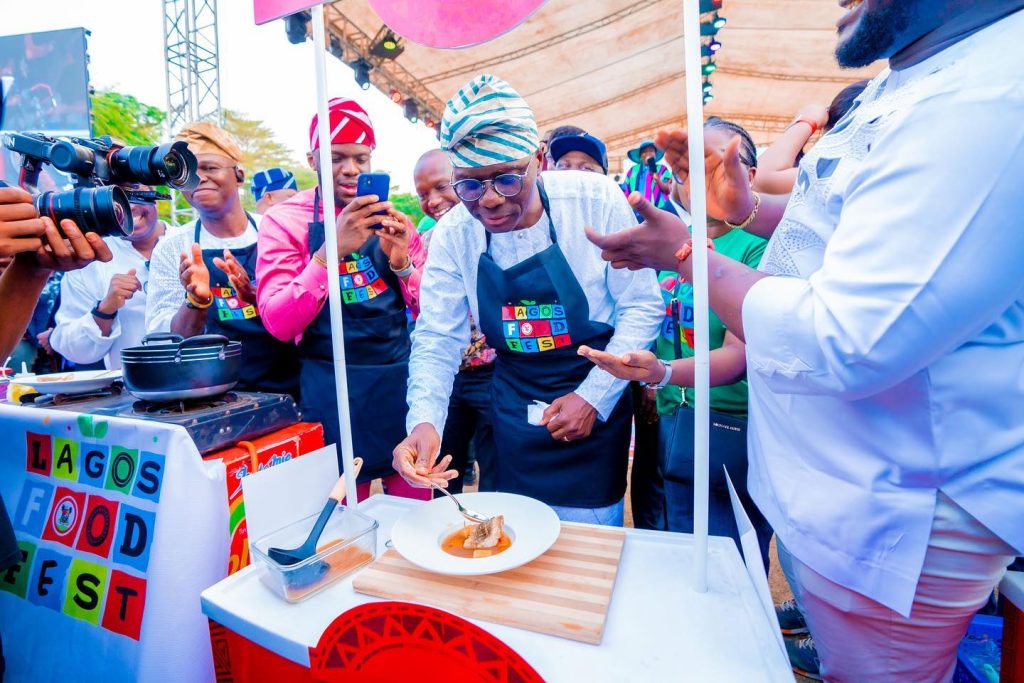
The popularity of food festivals mirrors wider changes in Nigeria’s creative economy.
As disposable incomes remain under pressure, many Nigerians are choosing affordable experiences that combine several forms of entertainment in one location.
A free event that offers food, music, games and networking opportunities naturally appeals to families, young professionals and content creators looking for engaging weekend activities.
Social media has also accelerated the trend.
Images and videos from colourful festivals often spread quickly online, encouraging more people to attend similar events while giving brands valuable digital exposure long after the event has ended. 
Opportunities Beyond Entertainment
Events like these also create economic opportunities.
Food vendors, photographers, artisans, event planners, logistics companies and small businesses often benefit from the increased foot traffic generated by large public gatherings.
For emerging entrepreneurs, festivals provide an affordable platform to introduce their products and services to new audiences without the costs associated with running standalone marketing campaigns.
In that sense, food festivals are becoming important contributors to Nigeria’s experience economy while supporting local businesses and creative talent.
More Than a Plate of Jollof
Whether visitors attend for the food, the music or the lively atmosphere, the festival reflects something much bigger than one brand or one event.
It highlights how food has become a cultural language that brings Nigerians together while creating new opportunities for businesses, creators and local communities.
As Nigeria’s experience economy continues to evolve, food festivals are proving that some of the country’s biggest conversations are no longer taking place only in conference halls or boardrooms—they are happening around a shared plate of jollof rice.
ALSO READ: The Ethiopian Woman Who Has Had No Food or Water in 16 Years (Doctors Confirmed)

About The Author