


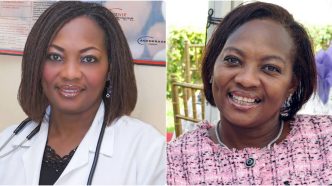
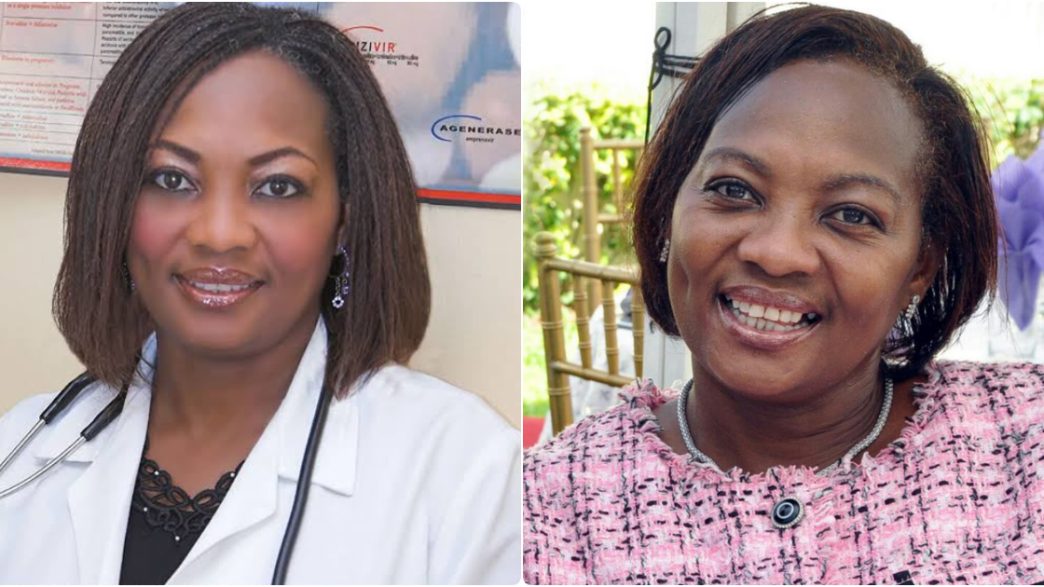
In 2014, Dr Ameyo Stella Adadevoh made a courageous decision that helped prevent Nigeria’s Ebola outbreak from becoming a national disaster.
When Liberian diplomat Patrick Sawyer arrived in Lagos with the deadly virus, she recognised the danger, insisted on his isolation and resisted pressure to discharge him. Her actions helped health authorities contain the outbreak, but they came at a devastating personal cost.
Adadevoh contracted Ebola while treating patients and died on 19 August 2014, leaving behind a legacy of courage, sacrifice and commitment to public health. 
How a Sick Traveller Brought Ebola From Liberia to Lagos
On 20 July 2014, Patrick Sawyer arrived in Lagos from Liberia while infected with the Ebola virus. Days earlier, he had been under observation at a hospital in Monrovia over a possible Ebola infection.
On 17 July, Sawyer developed a fever and left the hospital against medical advice. Despite warnings against travelling, he boarded a flight from Monrovia via Lomé, Togo, before arriving in Lagos.
Why Doctors Initially Suspected Malaria
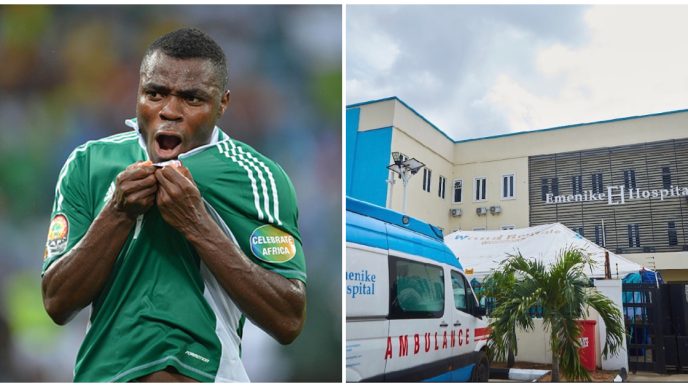
That afternoon, Sawyer was admitted to First Consultants Hospital in Obalende, Lagos. He presented with fever, vomiting and diarrhoea.
Doctors asked whether he had been in contact with Ebola patients in Liberia. He denied any known exposure, so they initially treated him for malaria.
However, his condition failed to improve. His recent travel from an Ebola-affected country also raised concerns, prompting the medical team to suspect the deadly virus.
READ ALSO: Ebola in Nigeria: What You Need to Know About Symptoms, Risks and Treatment
Dr Adadevoh Insists on Isolation
Dr Ameyo Stella Adadevoh, the senior physician who attended to Sawyer, recognised the possibility of Ebola and helped prevent his discharge.
Although she had never encountered Ebola in Nigeria, she acted on her clinical judgement and the patient’s symptoms. The hospital alerted public health authorities and isolated Sawyer while officials arranged testing.
A blood sample confirmed an acute Ebola infection. Sawyer died on 25 July 2014, five days after arriving in Nigeria.
Nigeria’s Ebola Outbreak and the Fight to Contain It
The Nigeria Centre for Disease Control recorded 20 Ebola cases during the outbreak: 19 laboratory-confirmed and one probable. Eight people died, while 12 survived.
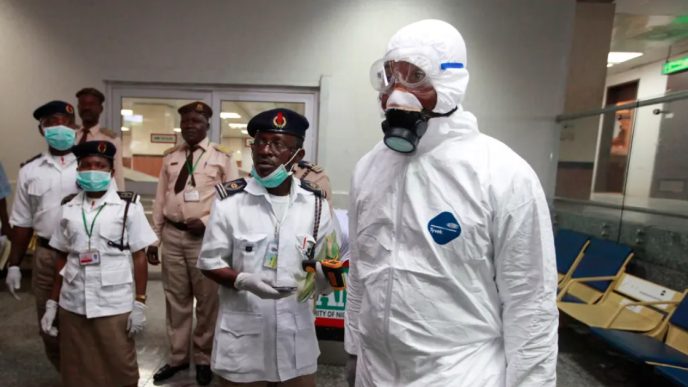
Sawyer’s infection triggered a chain of transmission involving healthcare workers and other contacts in Lagos and Port Harcourt. Rapid case identification, isolation, contact tracing and coordinated emergency measures helped prevent a much larger outbreak.
On 20 October 2014, the World Health Organization declared Nigeria free of Ebola transmission after the required 42-day period without new cases.
Dr Ameyo Adadevoh: Threats, Sacrifice and a Lasting Legacy
Adadevoh’s decision to keep Sawyer in hospital came amid pressure to release him. She stood firm, helping ensure that authorities could investigate and contain the infection.
However, the outbreak came at a devastating cost to healthcare workers. Eleven hospital workers contracted Ebola, and five died, including Adadevoh. She died on 19 August 2014, less than a month after diagnosing Sawyer.
Her actions have since become central to Nigeria’s memory of the outbreak. Although she was part of a wider public health response, her early recognition of the danger and refusal to release Sawyer played a crucial role in helping Nigeria contain Ebola.
Her legacy remains a powerful reminder of the courage, professional judgement and personal sacrifice required to protect public health.
READ MORE: Ebola Outbreak Spreads in Congo as Nigeria Goes on High Alert
Story written by Oluwatoyin Ololade, edited by Sola Sanusi.

About The Author