



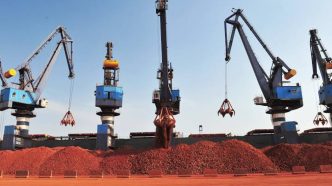
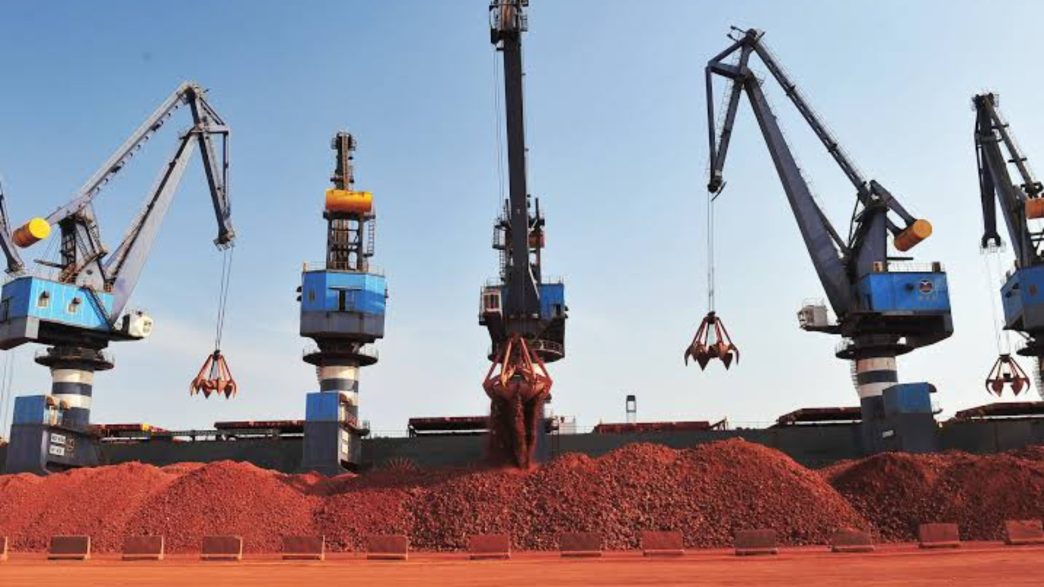
Guinea is reportedly considering a new policy that could limit bauxite production in the country.
The planned limitation still under review with no final decision made yet.
If implemented, Guinea would be taking a similar step to one already taken by Zimbabwe, where the government is tightening control over how their mineral resources are being exported. 
What Is Bauxite?
Bauxite is a raw material used to produce aluminium. A metal used in the everyday production of products like beverage cans, electronics, construction materials, among many others.
Being one of the world’s largest producers of bauxite, it means any change in Guinea’s production or export levels, can have ripple effects across industries that depend on aluminium.
ALSO READ: Why Guinea Dissolved 40 Political Parties After Mamady Doumbouya’s Swearing-In
Why the Government Wants to Step In
Mines and Geology Minister Bouna Sylla explained that the policy is mainly about protecting prices and government revenue.
“The policy aims to regulate bauxite production to prevent a price drop and, consequently, a decrease in company revenues and tax for the government,” Sylla said in an interview.
He added that the government has already engaged mining stakeholders on the issue, including a meeting with the umbrella body of miners on March 12.
As part of the plan, Guinea is also pushing mining companies to stick to agreed production levels outlined in their contracts.
“The decision will take effect in the coming weeks and aims to align 2026 production and exports with what is outlined in the feasibility studies,” he said.
Falling Prices Driving Urgency
The potential policy comes at a time when bauxite prices are under pressure.
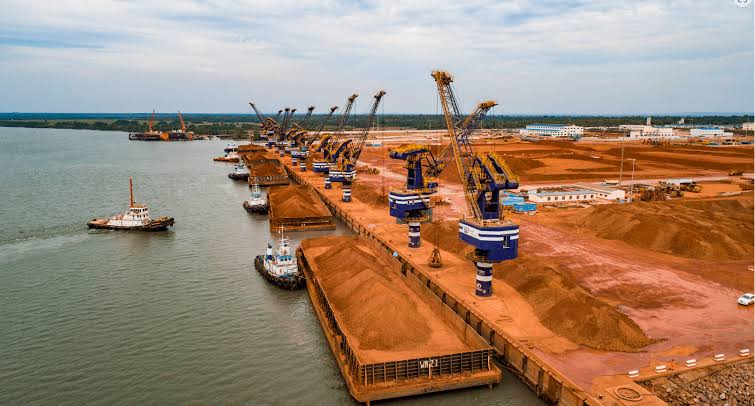
According to Tom Price, head of commodities at Panmure Liberum, prices have dropped between 20% and 35% from their 2025 peak due to unexpected shutdowns.
As of Monday, benchmark shipments from Guinea and Australia were trading between $60 and $70 per metric ton.Interestingly, this price drop is happening despite a surge in Guinea’s exports, which rose by more than 25% in 2025 to reach 183 million tons. Most of it shipped to Chinese refineries.
A Push for Local Processing
Beyond stabilising prices, Guinea is also focused on increasing local value addition by refining bauxite domestically into alumina.
“The criteria the country intends to implement are objective and include on-site ore processing,” stated Sylla.
With Guinea being one of the world’s top bauxite exporters, any move to limit output won’t go unnoticed.
If the plan goes ahead, it could shift global supply dynamics and signal a stronger push by resource-rich countries to take more control of how their minerals are priced, processed, and exported.

About The Author