


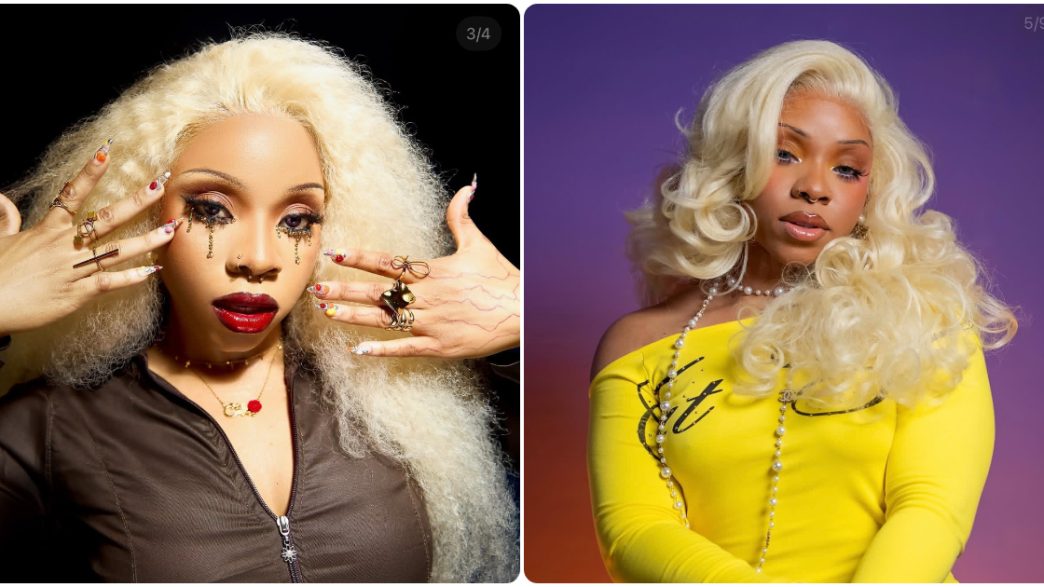
Nigerian singer Fave has shared her thoughts on the challenges female artists face in the music industry. She argued that women often encounter standards that their male counterparts do not.
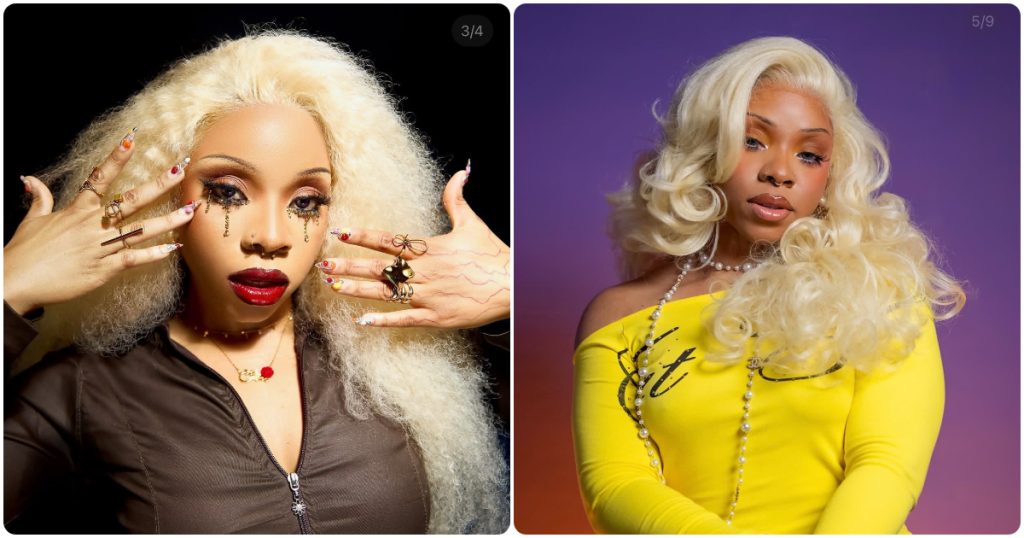
Speaking during a recent conversation, the singer said many people judge female artists based on their appearance before paying attention to their music.
According to Fave, women in the industry face greater pressure to meet certain beauty expectations, which can overshadow their talent and artistry. 
Fave Says Appearance Often Takes Centre Stage
The singer argued that female artists do not receive the same level of consideration as men when audiences assess their work.
“It’s harder for female artists to blow,” she said.
Fave explained that many people focus on what female artists wear instead of the quality of their music.
“Female artists aren’t measured by talent but by what they wear,” she stated.
She added that society often places unrealistic expectations on women’s physical appearance.
“If your tummy isn’t flat, it’s never really about the music. It becomes more about people’s sexual desires or their fantasies about you,” she said.
READ ALSO: Promoter African Simba Fires Back at Fave: “I Could Have Exposed a Lot”
‘People Listen to Appearance Before Music’
Fave described the situation as a major problem within the industry. She noted that appearance frequently influences how audiences receive female performers.
“I think that right there is a problem because it becomes more about how decently you are dressed before people listen to you,” she said.
The singer contrasted that experience with what she believes male artists face.
“But when it comes to men, they aren’t held to that same standard,” she added.
READ ALSO: “Your Head No Actually Correct”: Fave After Uganda Show
Fave Says Female Artists Deliver Stronger Performances
Fave also weighed in on live performances, arguing that female artists often put more effort into their stagecraft.
“When it comes to performances, female artists perform better,” she said.
Her comments have generated conversations about gender expectations in the entertainment industry and the different standards that artists face as they build their careers.

About The Author