CeraVe has become one of the most popular skincare brands in the world. Its products such as cleansers, moisturisers, and acne treatments are widely used by people dealing with breakouts, oily skin, and acne-prone skin.
That popularity is why the growing controversy around some acne products containing benzoyl peroxide has attracted attention.
Over the past year, lawsuits, laboratory reports, and regulatory reviews have raised questions about whether certain acne treatments can produce benzene, a chemical known to cause cancer in humans. 
The issue has led to legal action against major skincare companies, including L’Oréal, the parent company of CeraVe. At the same time, U.S. regulators have pushed back against some of the more alarming claims.
So, should consumers be worried?
What Is Benzoyl Peroxide?
Benzoyl peroxide (BPO) is one of the most common ingredients used to treat acne.
Dermatologists have prescribed it for decades because it helps kill acne-causing bacteria, reduce inflammation, and prevent clogged pores.
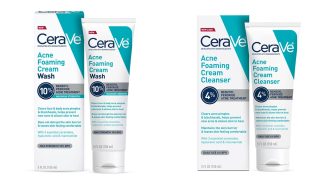
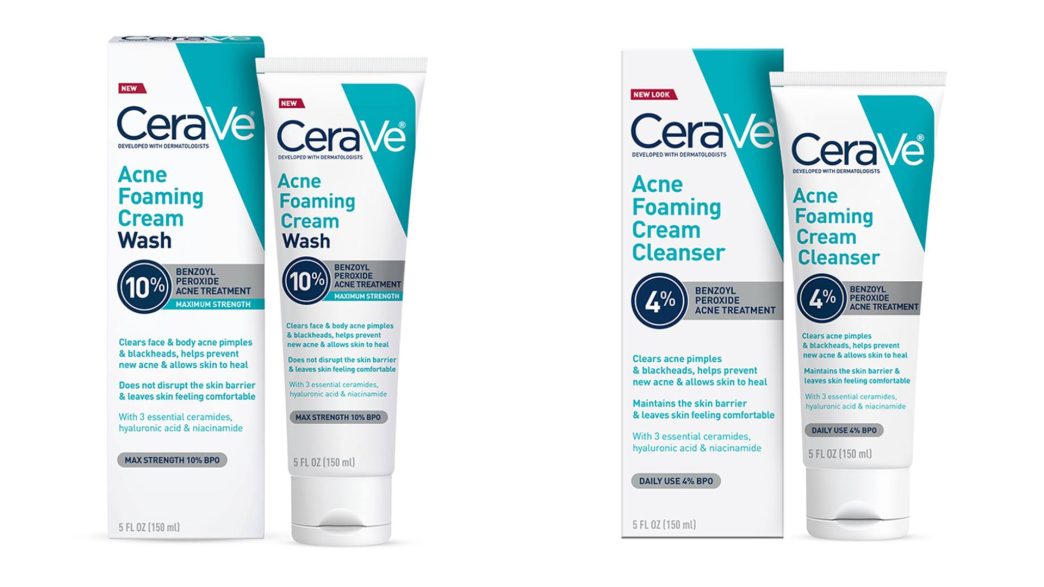
The controversy involves only CeraVe products that contain benzoyl peroxide, including:
CeraVe Acne Foaming Cream Cleanser which contains 4% Benzoyl Peroxide and the CeraVe Acne Foaming Cream Wash which contains 10% Benzoyl Peroxide
The Valisure Report: Where the Concern Started
The issues can be traced back to March 2024 when Valisure, an independent testing laboratory based in New Haven, Connecticut, filed a citizen petition with the U.S. Food and Drug Administration (FDA).
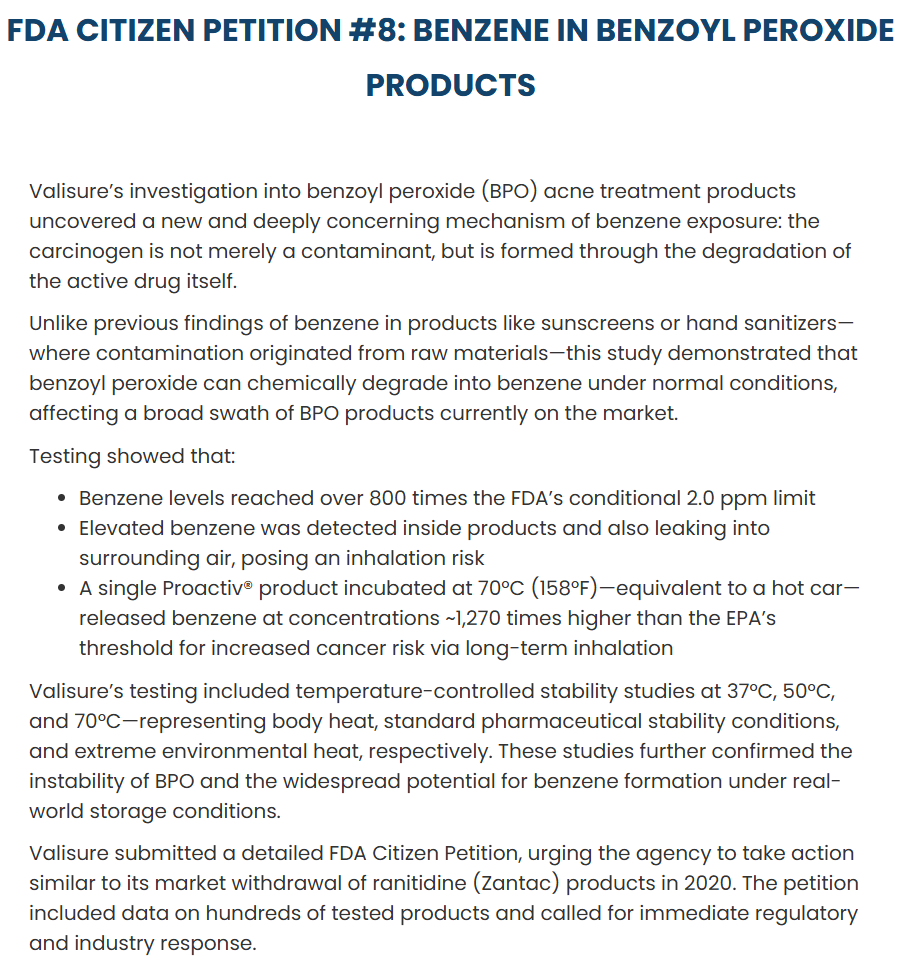
Valisure claimed that benzoyl peroxide can break down into benzene under certain heat conditions.
According to the laboratory’s testing, benzene formation increased when products were exposed to temperatures of:
- 37°C (approximately body temperature)
- 50°C (standard pharmaceutical stability-testing temperature)
- 70°C (temperatures that may occur inside a hot vehicle)
Valisure reported that some tested products generated benzene levels hundreds of times above the FDA’s conditional limit of 2 parts per million (ppm), with some results reportedly reaching more than 800 times that threshold.
The laboratory urged the FDA to investigate benzoyl peroxide products and consider recalls.
The reports triggered public concern because benzoyl peroxide is found in many over-the-counter acne treatments used around the world.
What Is Benzene and Why Is It Dangerous?
Benzene is a colourless chemical commonly associated with petroleum products, industrial manufacturing, cigarette smoke, and vehicle emissions.
Health authorities, including the World Health Organization and other regulatory bodies, classify benzene as a known human carcinogen.
Long-term exposure to high levels of benzene has been linked to several blood disorders and cancers.
One of the most commonly cited risks is Acute Myeloid Leukemia (AML), a cancer that affects blood-forming cells in the bone marrow.
The Lawsuits Against L’Oréal
Following the release of Valisure’s findings, multiple lawsuits were filed against companies that manufacture benzoyl peroxide acne treatments.
L’Oréal, which owns CeraVe, became one of the companies targeted; the lawsuit was against the CeraVe acne treatments that contain benzoyl peroxide.
One of the major cases was Grossenbacher v. L’Oréal USA Inc., which alleges that consumers were not adequately informed about the potential for benzene formation in certain acne products.
By May 2025, multiple related lawsuits had been consolidated and transferred to the U.S. District Court for the Southern District of New York for coordinated proceedings.
These cases remain ongoing. No court has ruled that CeraVe products cause cancer, and no final judgment has been issued against L’Oréal.
The FDA’s Findings Tell a Different Story
After receiving Valisure’s petition, the FDA conducted its own investigation.
In March 2025, the agency announced that it had tested 95 benzoyl peroxide acne products. More than 90% contained either undetectable or extremely low levels of benzene.
Only a small number of products showed elevated levels, leading to limited voluntary recalls.
Notably, CeraVe was not among the products recalled. The FDA also stated that even with daily use over many years, the risk of developing cancer from the benzene levels detected in these products was considered very low.
That does not mean the issue should be ignored. It does mean the FDA’s findings were significantly less alarming than the original claims made by Valisure.
What Does Peer-Reviewed Research Say?
Researchers have also looked at whether benzoyl peroxide use is associated with cancer risk in real-world patients.
Two peer-reviewed studies published in the Journal of the American Academy of Dermatology (JAAD) examined available evidence and found no statistically significant association between benzoyl peroxide use and benzene-related cancers.
These findings suggest that current evidence does not support claims that routine benzoyl peroxide use directly causes cancer.
The CeraVe controversy lies between scientific concern and public panic. Valisure’s findings raised questions about whether benzoyl peroxide can degrade into benzene under certain conditions, leading to lawsuits and increased scrutiny of acne products.
However, the FDA’s testing made the situation less alarming as its findings revealed that most products contained little or no detectable benzene and that the overall cancer risk appeared very low. For consumers, the most practical response is neither fear nor dismissal. Check the ingredients in your skincare products, pay attention to regulatory updates, and speak with a dermatologist if you have concerns.
Most importantly, remember that ongoing lawsuits are allegations, not verdicts, and current evidence does not support the claim that CeraVe products cause cancer.

About The Author