


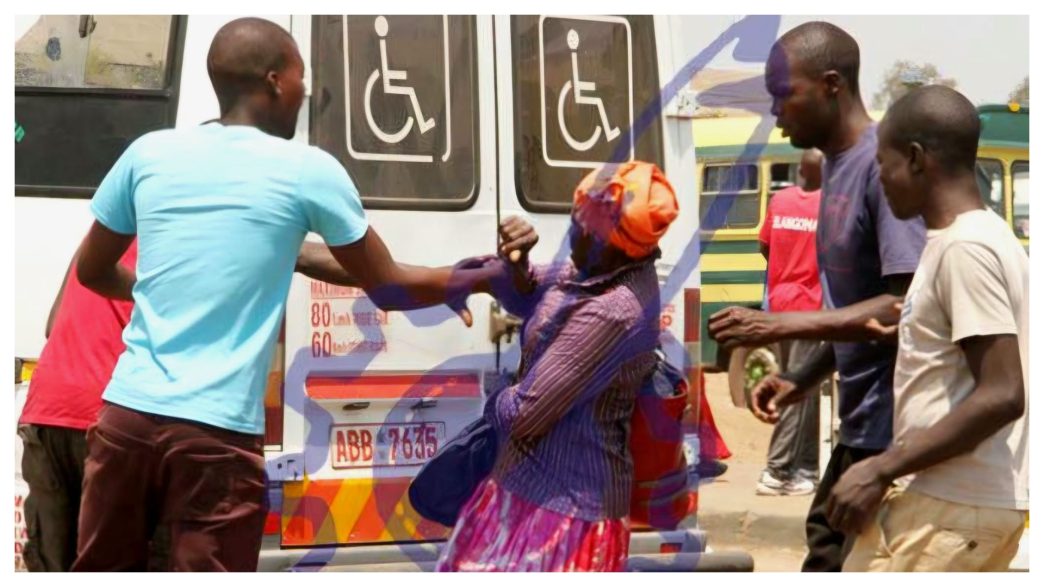
In Nigeria, there are places where entering a public space can come with an unofficial price.
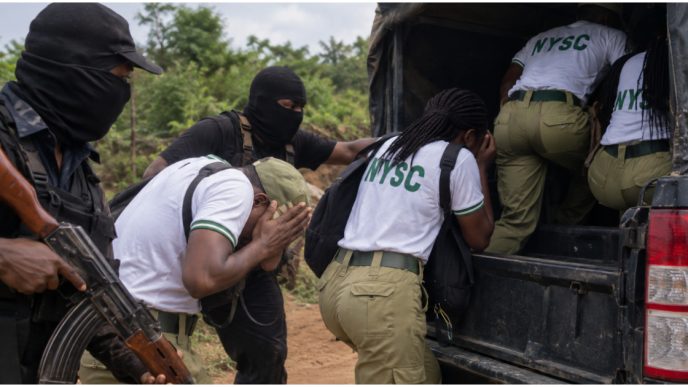
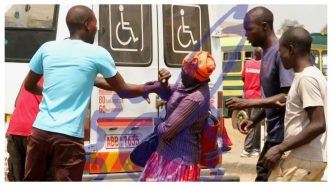
A driver may be stopped and asked to “settle.” A film crew may be told they cannot shoot until money changes hands. A traveller with a camera can be confronted by men demanding payment.
For many Nigerians, the response is often predictable: pay, negotiate and move on. 
It is not necessarily because they believe the demand is legitimate. Sometimes, it is simply easier than risking an argument, damage to property or violence.
That is what makes Nigeria’s agbero and area boy culture more than a transport problem. It raises a bigger question about who controls public spaces and why ordinary people so often have to negotiate for the right to use them.
When Public Space Comes With Price
The issue returned to public attention on after Chinese travel creator Xiao Jony shared his experience of being stopped while filming at a Lagos market.
In his video posted online, men demanded money from him because he was a foreigner. He also claimed that he encountered more than 20 unofficial checkpoints along a 10 kilometre journey, where people repeatedly asked him for money.
His experience may sound extreme to someone unfamiliar with Nigeria.
For many residents, however, the idea of being stopped and asked to pay money in a public space is not unusual. The difference is that Nigerians often know how to negotiate the situation. They know when to argue, when to call someone they know and, sometimes, when it is safer to simply pay.
That is how an unofficial system survives. Once enough people comply, the demand begins to look normal.
From Film Sets to Luxury Cars

The entertainment industry has repeatedly exposed another side of the problem.
In April, actress Bimbo Ademoye confronted men who allegedly disrupted her outdoor film shoot and demanded money before production could continue.
Bimbo acknowledged that she sometimes gives money to people around filming locations. Her objection was to being told what she had to pay.
There is a difference between voluntarily giving money to people who help a production and being forced to pay because someone claims authority over the location.
The same problem has surfaced around luxury vehicles. In August, videos circulated showing suspected area boys stopping vehicles around the Lekki axis and demanding “settlement.”
Lagos Deputy Governor Obafemi Hamzat later described the practice of stopping luxury vehicles for money as criminal and said the government would act against it.
The emergence of car spotting has added another layer.
People who follow and photograph expensive cars can identify wealthy motorists in public. Recent reporting has linked this growing practice to confrontations in which crowds surround vehicles and demand money.
At that point, a person’s car is no longer simply a means of transportation. It becomes a signal that someone nearby may be worth stopping.
SEE ALSO: Broda Shaggi Allegedly Hospitalised After He Was Shot in Sango-Ota: Is He Okay?
Why Do Nigerians Keep Paying?
The simplest answer is fear. A person who refuses to pay may lose more than the money being demanded.
A driver may face a damaged vehicle. A trader may fear losing goods. A film production may face delays after spending millions on equipment, crew and actors or destruction of production equipment.
A medical outreach team in Mushin recently reported a similar experience. Doctor Olusina Ajidahun said touts demanded money during a free medical outreach and later allegedly broke through a gate and injured a security guard who stopped them.
Music video director TG Omori also said repeated encounters with street touts had made location filming increasingly difficult. That creates a difficult cycle.
People pay because they want to avoid trouble. Those collecting the money see that payment as proof that the system works. The next person is then asked to pay too.
Over time, an illegal demand can begin to look like a normal cost of doing business.
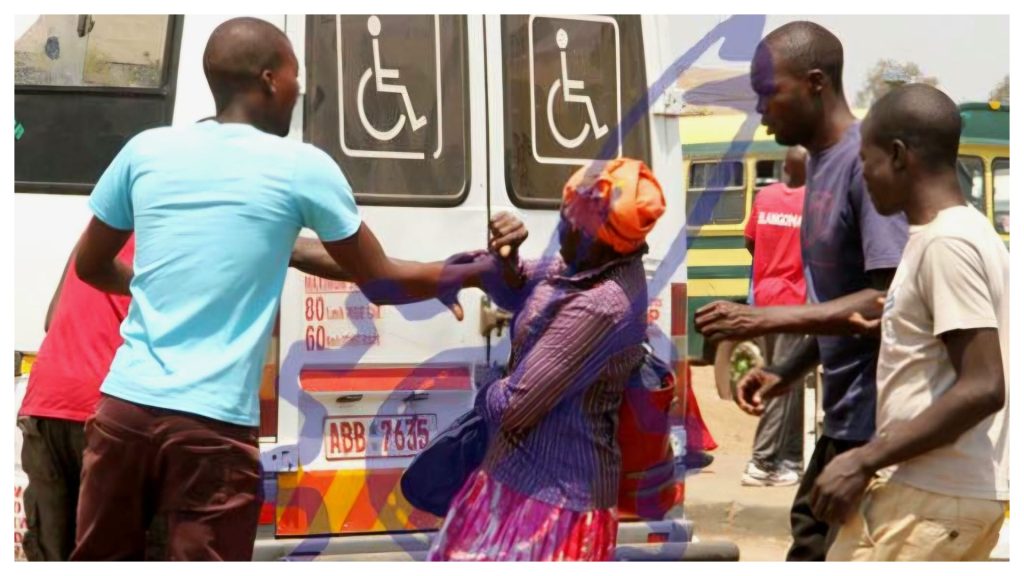
Who Owns the Street?
This is where the conversation about agbero culture needs to go beyond blaming individual touts.
Nigeria has had informal street groups for decades, particularly around transport and commercial spaces. Research on Lagos has documented how agberos became embedded in the informal management of public transport, while area boys developed their own forms of control over streets and neighbourhood spaces.
But explaining the history does not excuse the behaviour.
Unemployment, poverty and weak social systems may help explain why some young people enter street economies. They do not give anyone the right to threaten motorists, disrupt businesses or demand money from people using public spaces.
The responsibility also does not rest entirely with the people collecting the money. When authorities fail to consistently enforce control over public spaces, informal power fills the gap. And when residents keep paying because refusing feels dangerous, that power becomes harder to remove.
Lagos authorities have begun responding more aggressively. The police arrested six suspects in August after a video showed youths allegedly harassing motorists, while the state government has repeatedly warned against street extortion.
Can arrests after viral videos change a system that has survived for years?
Public roads, markets, bridges and streets are not private territories. People should not need to know the right person, carry cash for “settlement” or risk confrontation before they can use them.
Until that changes, the problem is not simply that some people are asking for money. It is that too many Nigerians have learned to treat paying them as the price of staying safe.

About The Author