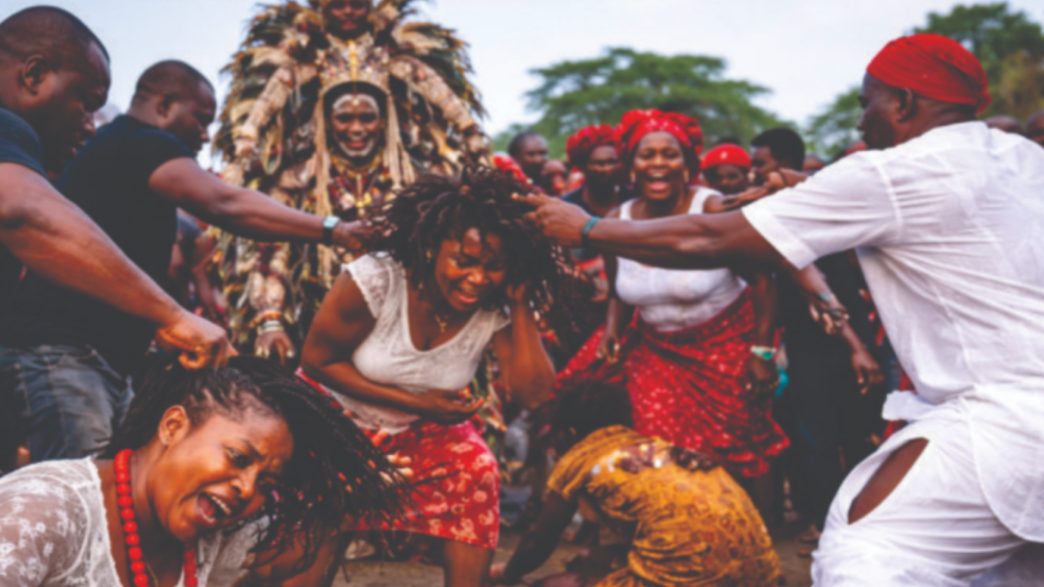
Festivals are meant to celebrate culture, community, and heritage, but some pose real risks to women.
From secret societies that strictly prohibit them to widowhood rituals that force isolation and public humiliation, these ceremonies highlight the distinction between cultural preservation and human rights violations.
According to numerous sources, the festivals listed below demonstrate the harsh treatment women receive. 
1. The Oro Festival (Ijebu, Nigeria)
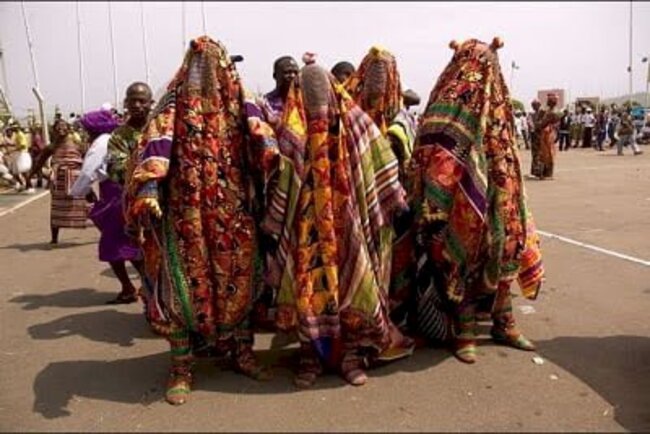
Yoruba culture celebrates the Oro Festival in places such as Egba and Ijebuland. This cult festival occurs once a year and can last several days or months, depending on the community.
Communities dedicate the festival to the worship of the Orisha Oro, parading the deity throughout the community during the ritual. The Oro ritual is also performed at other times, such as when a monarch dies or during the induction of a king’s advisers. The Oro cult offers sacrifices to ancestral spirits and uses the ritual to control movement when trouble stirs in the land.
Tradition requires an automatic curfew on days when Oro “comes out”. Only male adults venture outside during the curfew, as women are forbidden from viewing the Oro.
Authorities advise women to gather everything they need from the market before the festival begins, as it is believed a woman seen outside during the curfew faces fatal consequences.
Traditionally, those who go outside risk severe supernatural penalties, including death, serious sickness and misfortune.
ALSO READ: Festival Turns Controversial as Assault Claims Shake Delta State, Nigeria
2. Ukuli Bula Ceremony (Ethiopia – Hamar Tribe)
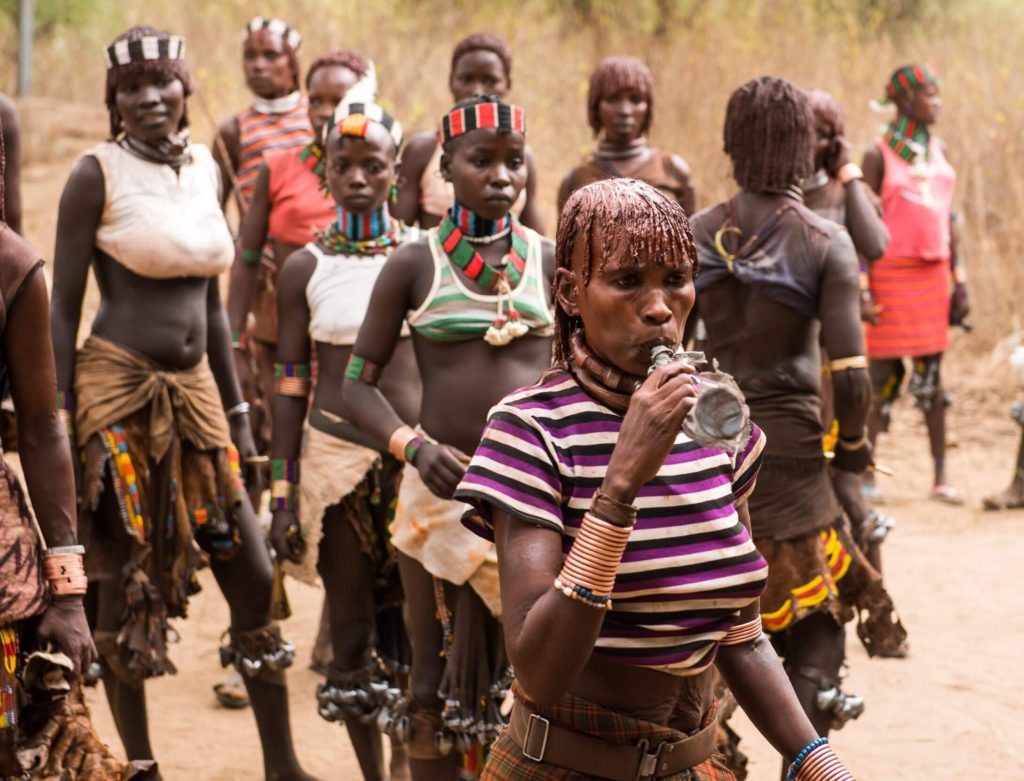
Women and young girls gather in the afternoon as part of the ritual. They drape their necks in bright beads, stack iron jewellery around their limbs, and decorate their bodies with piercings and scarification. Here, the ritual is both intimate and brutal.
The women ask to be whipped with birch sticks, and the men oblige, swinging the rods across their skin. Each stroke leaves red welts that harden into permanent scars.
The community believes the greater the pain a woman endures, the deeper her loyalty to the initiate (Maza). To these women, those scars are proof they have earned a bond of loyalty, ensuring the man will owe them protection in return.
3. Ekuechi festival (Kogi State)
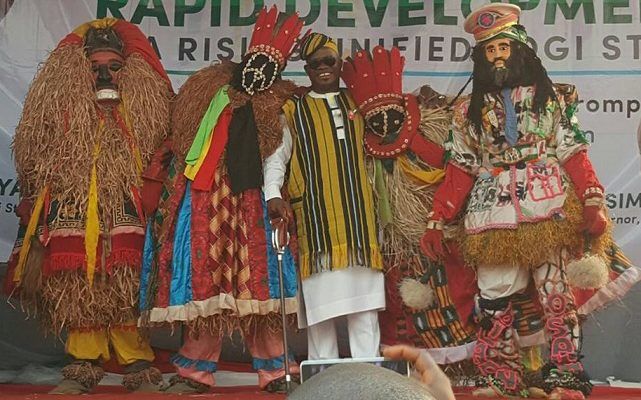
In Ebira culture, “Eku” signifies an ancestral masquerade, while “Chi” translates to “descend.” The term “Ekuechi” means ancestral spirits returning to earth. During the festival, these masquerades, thought to access the spirit world, convey messages from deceased relatives to the living, offering both good tidings and admonishments.
During the night of the festival, women and children must stay indoors, while the “Eku’rahu” masquerades perform outside. If a woman is caught outside, her family faces consequences, including ritual fines and potential physical harassment like being beaten.
Although women are excluded, they play a vital role in preparing food and drinks for the festival. Men are expected to provide gifts to women to appreciate their contributions.
In recent years, the festival has faced criticism from women, particularly those who are Christians or Muslims and see the forced confinement as a violation of their right to movement.
4. Alue-Do Festival (Ozoro, Delta State)
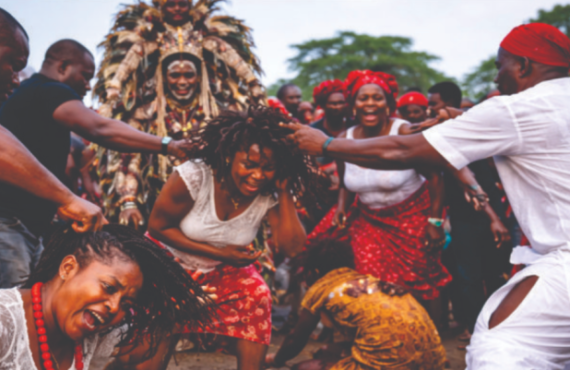
The Alue-Do festival is a traditional fertility and cleansing rite of the Isoko people in Ozoro, Nigeria. Symbolic practices include playfully pouring sand on married individuals who are yet to have children to invoke fertility.
Recent events in 2026 have turned the festival into a national controversy due to alleged sexual violence caught on video. Some youths have misinterpreted and misapplied the cultural practice, leading to the harassment and assault of young women.

About The Author