


Respect is a foundational social value in African culture. It is a big part of everyday interactions as it reinforces hierarchy and maintains community cohesion.
One of the clearest ways to show respect in Africa is expressed through honorifics and titles. People usually will address others with terms that acknowledge their age, status, gender, qualifications, or role.
The use of “Sir,” “Ma,” “Uncle,” “Auntie,” “Elder,” “Doctor,” or other local terms like “Chief,” “Alhaji,” “Mama,” is not an empty formality. They show acknowledgement of a person’s place in the social order. Hence, failing to use them may be read as rudeness, arrogance, or an intentional challenge to authority. 
However, like any cultural norm, this one can be stretched to extremes. When ordinary respect turns into compulsory flattery, or when a powerful individual demands more elaborate recognition, the healthy social practice becomes deformed. Some take this cultural norm that values honorifics and inflate it into something pathological.
SEE ALSO: Lizzy Jay, Daddy Freeze React as UBA Trainee Calls Tony Elumelu ‘Tony’
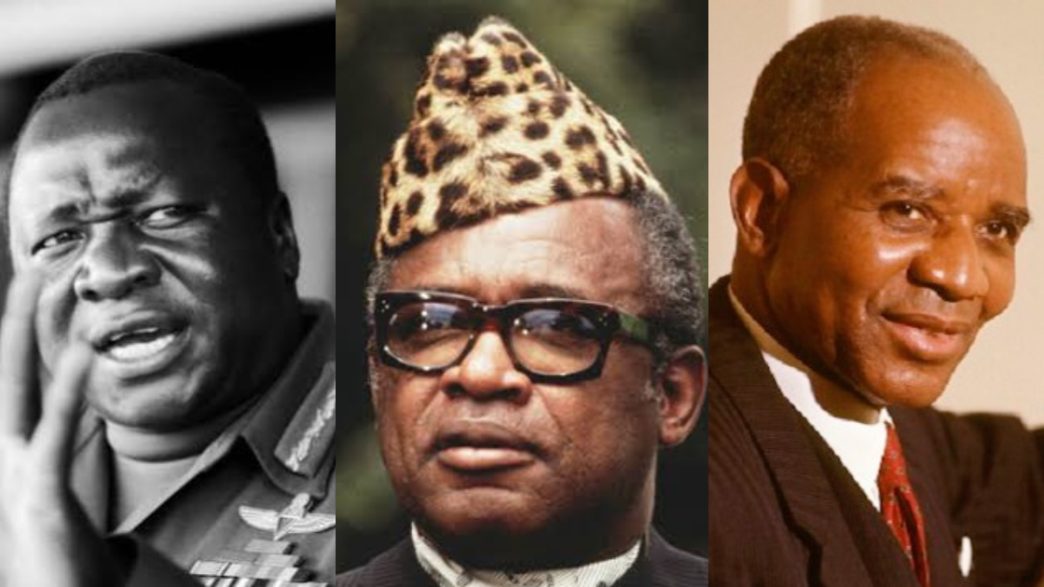
African Leaders with Outrageously Long Titles
Here are seven African leaders with long titles whose preferred forms of address went far beyond the usual ‘Mr President.’
1. Idi Amin (Uganda)
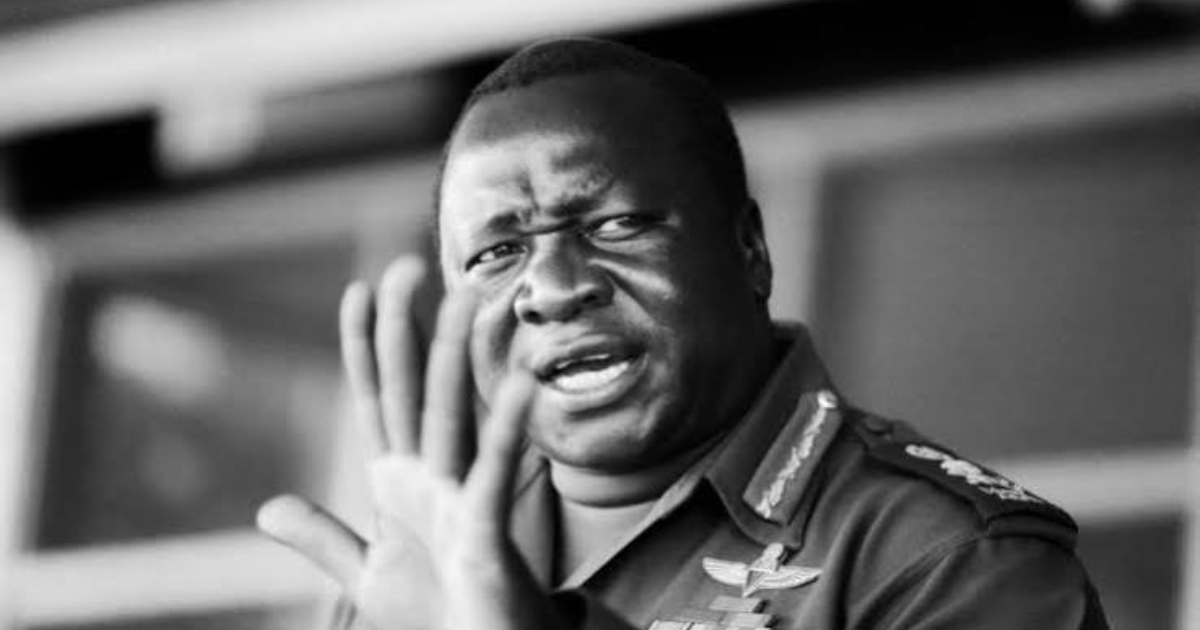
Awon’go Idi Amin Dada Oumee was the third president of Uganda (1971-1979) and had the most grandiose title. He required this full introduction:
His Excellency President for Life, Field Marshal Al Hadji Doctor Idi Amin Dada, VC, DSO, MC, CBE, Lord of All the Beasts of the Earth and Fishes of the Seas and Conqueror of the British Empire in Africa in General and Uganda in Particular.
Aside from the above title, he also claimed to be the uncrowned King of Scotland. The title was assembled bit by bit.
After he seized power in 1971, he declared himself president and commander-in-chief. He promoted himself to Field Marshal and the Defence Council named him President for Life in 1976.
Although Al Hadji was for his Muslim identity, Amin arranged an honorary doctorate and invented medals. He redefined the “CBE” as
“Conqueror of the British Empire” after Britain cut ties with Uganda in 1977.
The official radio station of Uganda, Radio Uganda, recited the whole string of titles with straight-faced formality.
Ironically. His regime was reportedly responsible for 100, 000 to 500,000 deaths.
2. Mobutu Sese Seko (Zaire / DR Congo)
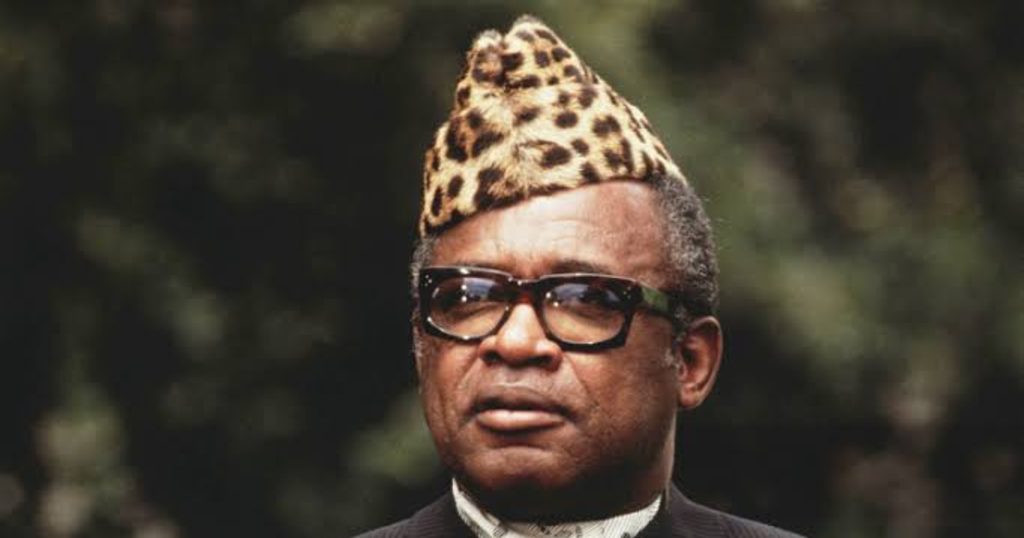
Mobutu Sese Seko was the second president of the Democratic Republic of the Congo and the first and only president of Zaire.
Born Joseph-Désiré Mobutu, he reinvented himself completely as:
Mobutu Sese Seko Kuku Ngbendu Wa Za Banga This title is officially translated as “the all-powerful warrior who, because of his endurance and inflexible will to win, goes from conquest to conquest, leaving fire in his wake.”
He then added “Guide,” “Father of the Nation,” and “Messiah” for good measure. He forced the entire country to abandon Christian names and renamed the Congo “Zaire.”
3. Yahya Jammeh (The Gambia)
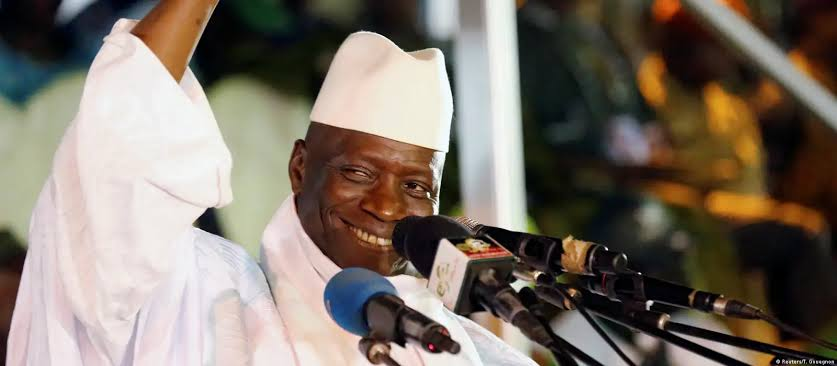
The former president of the Republic of The Gambia (1996-2017), Yahya Jammeh, demanded to be addressed as:
His Excellency Sheikh Professor Alhaji Doctor Yahya Abdul-Aziz Awal Jemus Junkung Jammeh Naasiru Deen Babili Mansa.
The string was a mix of religious, academic, and traditional titles into one long, non-negotiable package.
“Babili Mansa” means a “Bridge Builder” or “Conqueror of Rivers” in Mandinka.
4. Muammar Gaddafi (Libya)
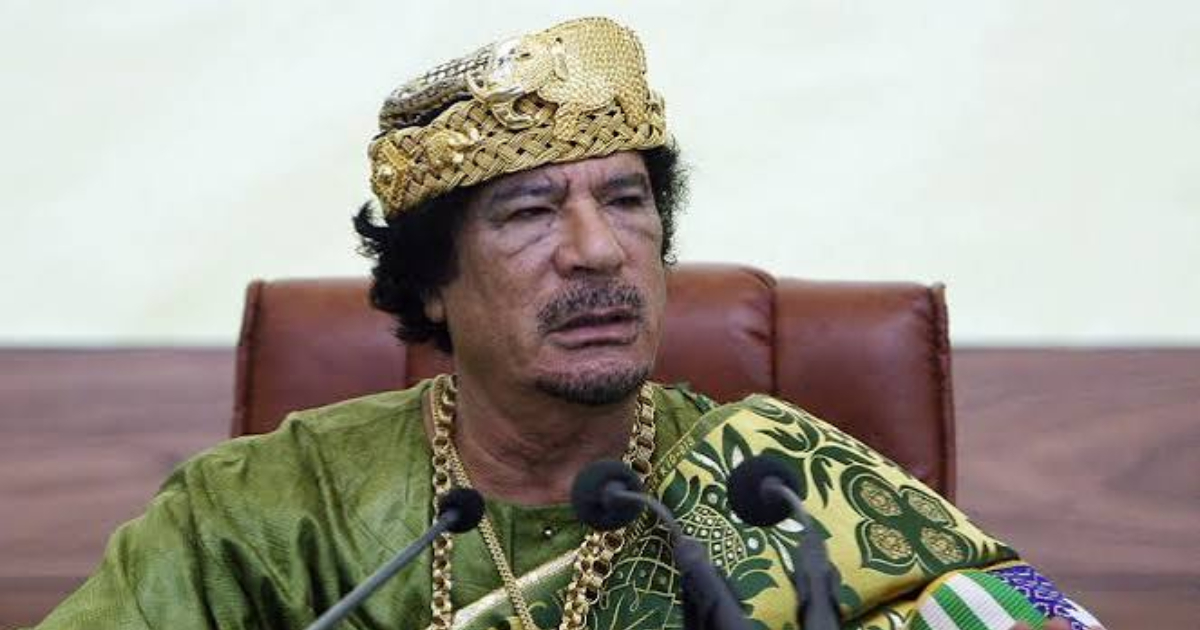
Gaddafi was unique. He preferred revolutionary mystique over military rank. His preferred style was:
Guide of the First of September Great Revolution of the Socialist People’s Libyan Arab Jamahiriya and Brotherly Leader and Guide of the Revolution.
Over the years he claimed “King of Kings of Africa,” “Dean of Arab Rulers,” “Imam of the Muslims,” and “Amghar of the Tuareg,” and stubbornly chose to remain a “Colonel.”
5. Jean-Bédel Bokassa (Central African Republic / Empire)
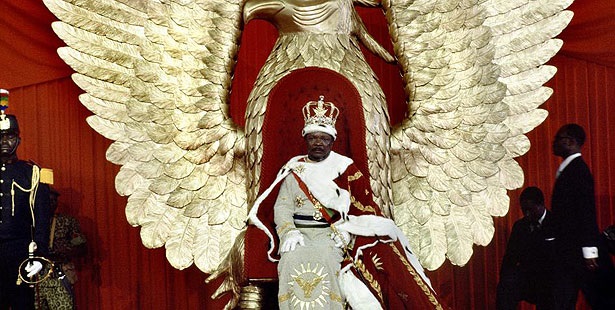
After seizing power in 1966, Bokassa converted the republic into an empire in 1976 and crowned himself:
Emperor of Central Africa by the will of the Central African people, united within the national political party, the MESAN.
The 1977 coronation cost approximately one-third of the country’s annual budget. The ceremony featured a golden throne, an imperial crown, and thousands of guests from all over.
6. Hastings Kamuzu Banda (Malawi)
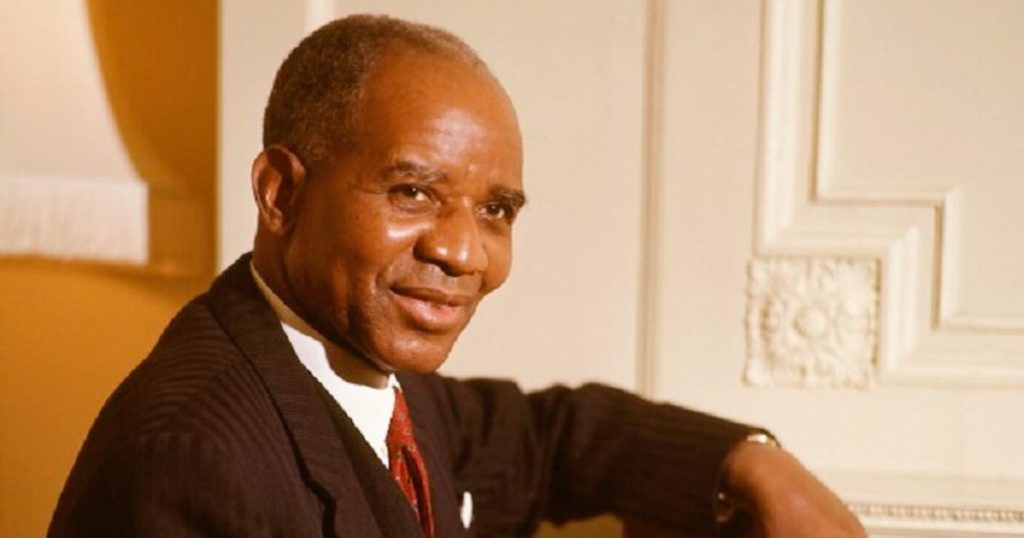
The former president of Malawi (1966-1994), Hastings Kamuzu Banda, was formally addressed as His Excellency the Life President Ngwazi Dr Hastings Kamuzu Banda.
“Ngwazi” is a traditional title meaning “conqueror” or “chief of chiefs.”
Omitting any part of the full style was considered a serious sign of disrespect and disloyalty.
7. Emperor Haile Selassie (Ethiopia)
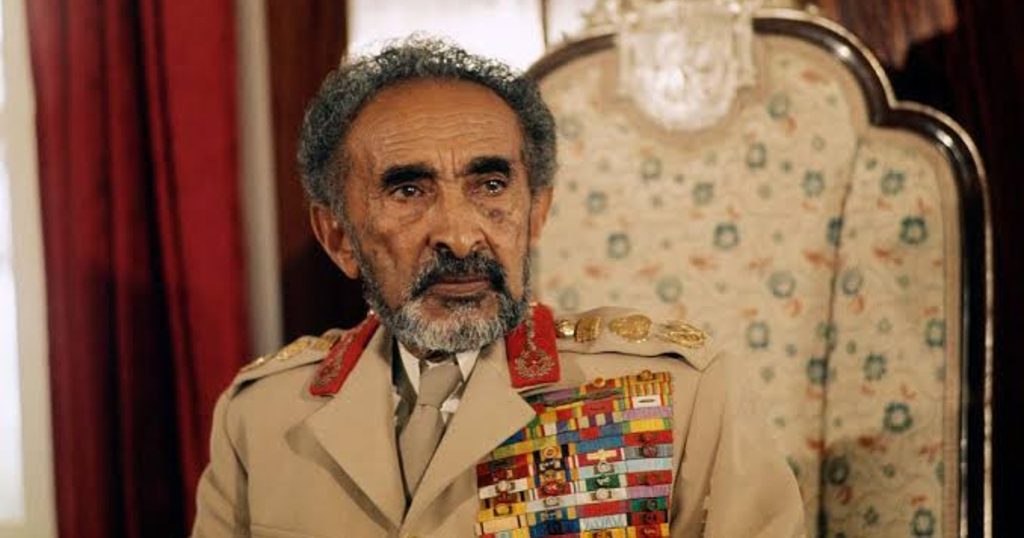
Emperor Haile Selassie’s full imperial style was famously elaborate too. He reigned in Ethiopia from 1930 to 1974, and he preferred to be called:
“By the Conquering Lion of the Tribe of Judah, His Imperial Majesty Haile Selassie I, King of Kings, Lord of Lords, Elect of God.”
However, unlike Idi Amin’s and the others’, Selassie’s title was more traditional than self-inflated. The titles were used formally in official documents and diplomatic correspondence.
Omitting key elements would have been a serious breach of etiquette in the imperial system.

About The Author