



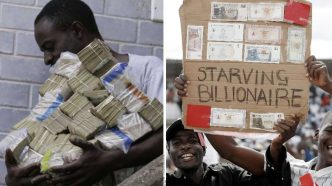
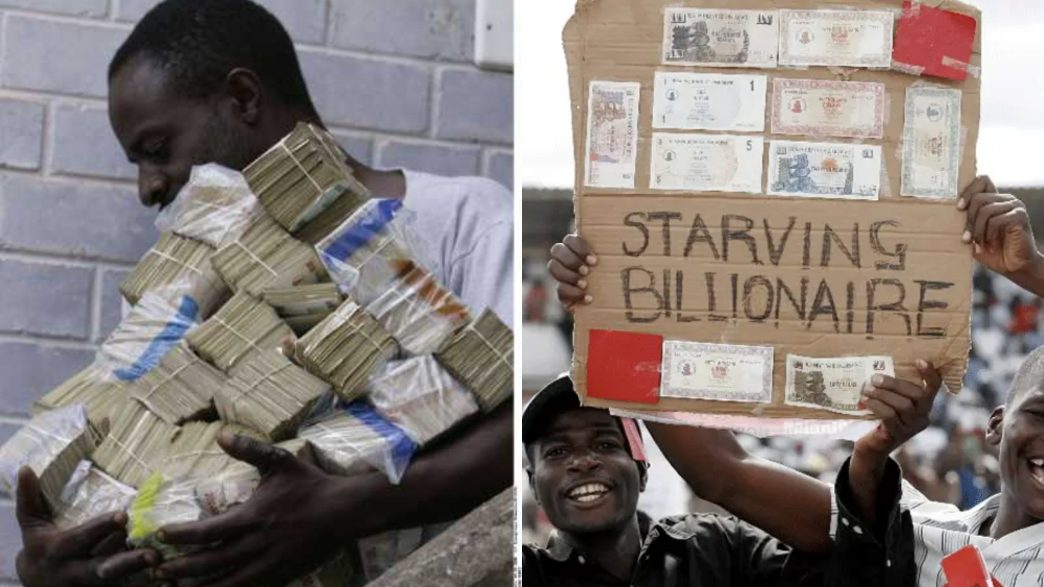
Imagine having millions in your bank account but still struggling to buy food. This was the reality in Zimbabwe during one of the worst hyperinflation crises in history.
At the peak of the crisis in 2008, almost everyone became a millionaire in Zimbabwean dollars. However, this did not mean they were rich. Their money had lost so much value that even basic items like bread cost millions or billions.
ALSO READ: 10 African Cities and What They Are Known For 
How Zimbabweans became millionaires overnight
Zimbabwe’s economic crisis began in the early 2000s due to political instability, falling production, and poor financial management. As the economy weakened, the Zimbabwean dollar rapidly lost value.
Prices rose, making money almost worthless, and by 2008, inflation reached an unimaginable 89.7 sextillion per cent, one of the highest ever recorded anywhere in the world, according to Investopedia.
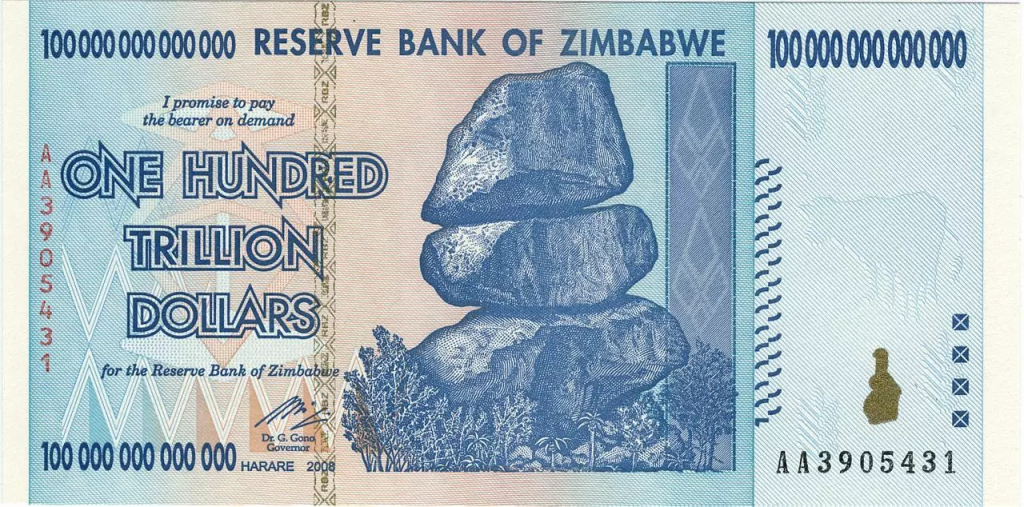
To keep up, the government printed more money in larger denominations. They introduced notes worth billions and trillions, including the famous 100 trillion Zimbabwean dollar note. Yet, even this could barely buy a loaf of bread.
Then they started spending US dollars
Prices changed constantly, sometimes several times in one day. People carried bags full of cash to markets just to buy food.
Restaurants stopped printing menus because prices changed too quickly. Shops began refusing the local currency and demanded foreign money instead.
By 2009, the Zimbabwean dollar had completely collapsed. The government abandoned it and allowed people to use foreign currencies such as the US dollar and South African rand.
This helped stabilise prices and brought some relief; however, citizens lost their savings overnight, and the era of trillion-dollar banknotes came to an end.
YOU MIGHT LIKE: 5 African Countries That Are Visa-Free for All Africans
Zimbabwe’s economy now
Since then till now, Zimbabwe’s economy has been showing signs of stabilisation, although recovery remains fragile.
In April 2024, the Reserve Bank of Zimbabwe introduced a new gold-backed currency called the Zimbabwe Gold (ZiG). This currency is backed by gold and foreign reserves, and its purpose is to stabilise exchange rates and restore trust in the financial system.
Annual inflation also dropped to about 4.1% in January 2026, falling to single digits for the first time in decades.
However, the transition is still ongoing, and many people continue to rely on foreign currencies, especially the US dollar.
Growth and recent economic changes in Zimbabwe
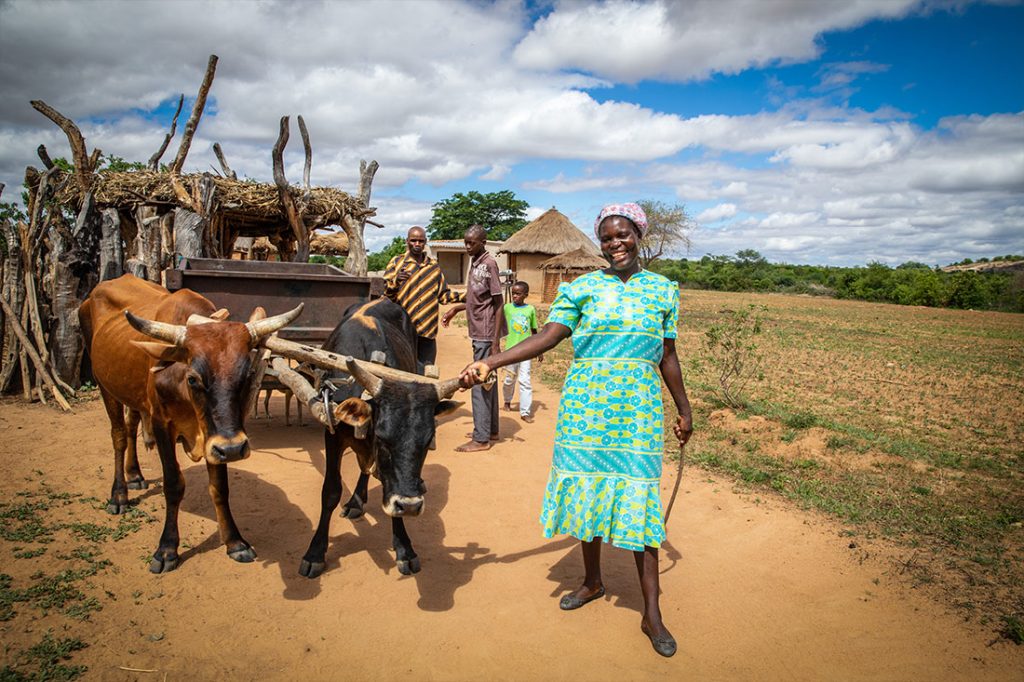
Zimbabwe’s economy has undergone significant changes over the past decade. The country’s GDP has grown from about $17.5 billion in 2017 to over $53 billion by 2025.
Agriculture and mining remain the backbone of the economy. Gold exports generate over $2.5 billion, while tobacco exports bring in more than $1.3 billion. These sectors provide jobs and foreign income.
However, challenges remain. A large informal sector makes up about 64% of the economy, and many businesses face strict regulations.
Zimbabwe remains the most famous example of a country where almost everyone became a millionaire but no one was truly rich.
Today, Zimbabwe is slowly rebuilding and working towards a more stable and secure economic future.

About The Author