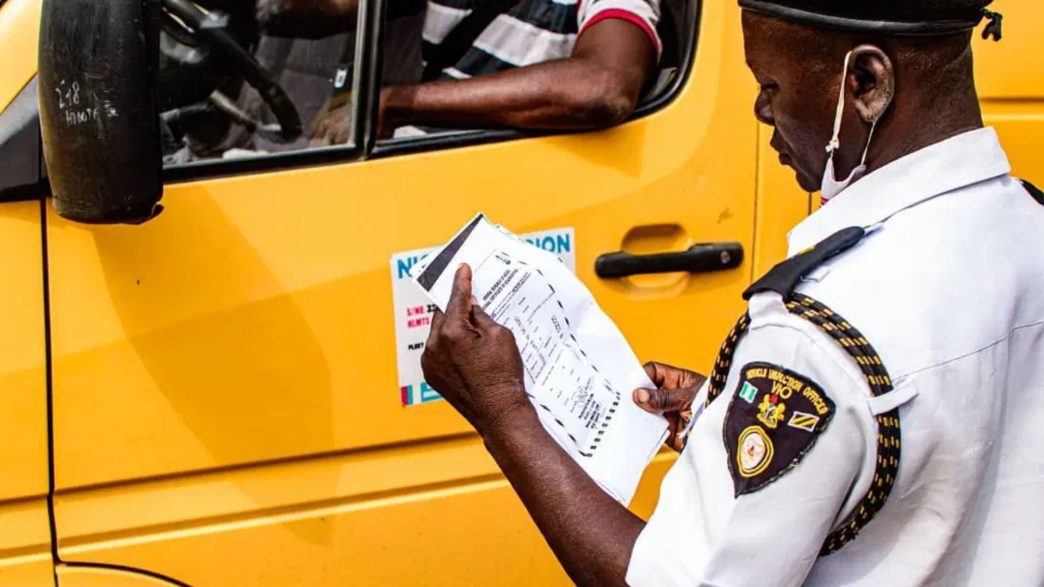
A recent video circulating on X has reignited a major question for motorists in Nigeria: Are Vehicle Inspection Officers (VIOs) legally allowed to stop and search vehicles on the road?
The clip shows a motorist refusing to hand over his documents to VIO officials at a roadside stop.
He cited a 2024 Federal High Court ruling in Abuja, a decision later upheld by the Court of Appeal in 2025, which barred the Directorate of Road Traffic Services (DRTS), commonly known as VIO, from stopping, impounding, or confiscating vehicles on public roads. 
The exchange turned tense, but beyond the arguments, the video has forced many Nigerians to revisit what the law actually says.
DID YOU MISS: #OccupyNASS Protest: Why Are Nigerians Protesting the Latest Electoral Reform Bill?
What Is the VIO?

The Vehicle Inspection Office (VIO), officially known in some states as the Directorate of Road Traffic Services (DRTS), is a government agency responsible for vehicle inspections and roadworthiness checks.
Traditionally, VIO officers:
- Inspect vehicles to ensure they are roadworthy
- Verify vehicle documentation
- Check compliance with safety standards
- Conduct vehicle testing at designated centres
Over the years, however, many motorists have accused some officers of operating roadside checkpoints, impounding vehicles, and issuing fines on the road.
So, can VIO officers stop and search you?

This legal battle began after rights activist and public interest lawyer Abubakar Marshal took the matter to court.
On 12 December 2023, VIO officials stopped him in the Jabi District of Abuja and confiscated his vehicle.
He described the action as unlawful and a violation of his fundamental rights and subsequently filed a fundamental rights enforcement suit at the Federal High Court in Abuja.
In 2024, Justice Nkeonye Maha ruled in his favour. The court declared that no law empowered the VIO to stop, impound, confiscate, or seize vehicles on the road or to impose fines on motorists.
Justice Maha specifically restrained the agency and its officers from:
- Stopping vehicles on public roads
- Impounding or confiscating vehicles
- Imposing fines on motorists
The judge described such actions as wrongful, oppressive, and unlawful.
The Directorate of Road Traffic Services appealed the decision, but in 2025, the Court of Appeal in Abuja upheld the ruling.
Delivering the lead judgement, Justice Oyejoju Oyewumi held that the appeal lacked merit. The three-member panel unanimously resolved all issues against the VIO. The court also awarded ₦1 million in costs in favour of Abubakar Marshal.
In effect, the appellate court affirmed that VIO officers do not have the legal authority to mount routine roadside checkpoints, stop vehicles, impound cars, or issue spot fines on public roads.
Their role, as clarified by the ruling, is confined to vehicle testing and inspection at designated centres.
The court further held that such roadside actions violate citizens’ constitutional rights to freedom of movement and property.
ALSO READ: Lassa Fever in Nigeria: 5 Ways to Stay Safe
What This Means for Motorists
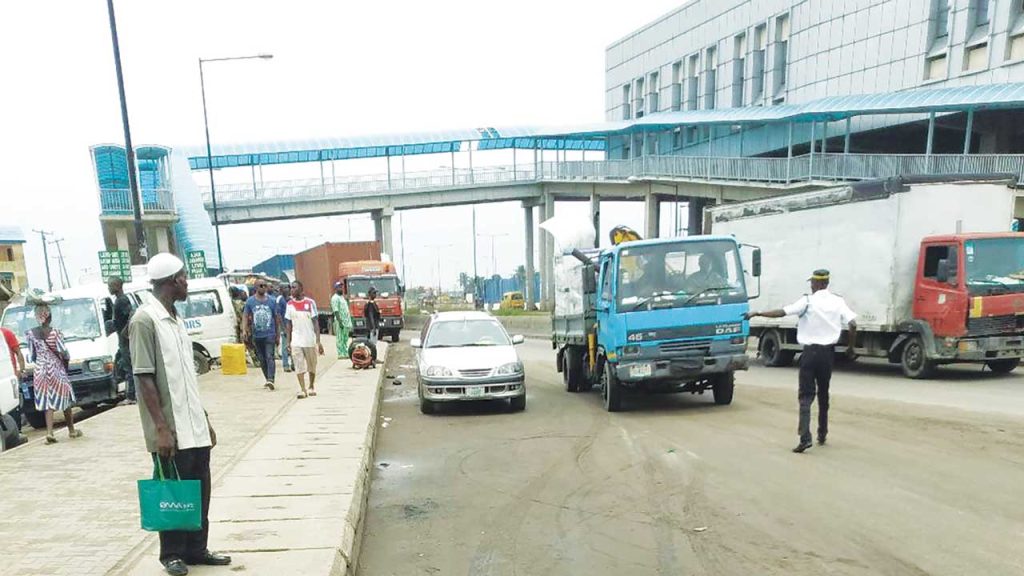
This means that the lawful role of VIO is limited to vehicle inspection and testing at authorised centers, not random highway stops or the collection of bribes, a practice many Nigerians have experienced.
Popular influencer Eric Gugua recently shared his own encounter with this.
He said VIO officials stopped him and requested his car papers; however, as he began to present them, they allegedly shifted focus and started asking for money instead.
According to Gugua, the officers even suggested that his documents were not their primary interest.
He warned that this act, which appears to be a minor roadside extortion, should not be dismissed as harmless. If left unchecked, he argues that it can escalate into more serious abuses of power.
Against this backdrop, motorists should remain calm and respectful during any roadside encounter.
At the same time, they should understand the limits of each agency’s authority.
While the court has restricted the powers of the VIO, other agencies, including the police and the Federal Road Safety Corps (FRSC), operate under different legal frameworks and may lawfully stop vehicles in certain situations.
Citizens have rights. However, the manner in which they assert those rights can significantly influence how such encounters unfold.

About The Author