
Less than a week ago, the Nigerian social media space was abuzz with a debate (blasphemy) regarding whether or not the late Fela Anikulapo Kuti is Nigeria’s greatest musician.
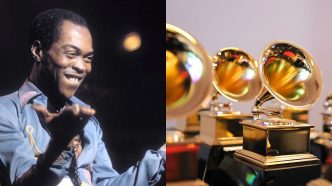
Like clockwork, the Grammy Awards have stepped in to settle the debate. To them, posthumously, Fela isn’t only the best artist out of Nigeria, but also the best from Africa. That’s the message they’ve passed by confirming Fela’s Lifetime Achievement Award.
ALSO READ: Wizkid or Fela? Who is Bigger? 
Long crowned by fans as the king of Afrobeat, Fela Anikulapo Kuti is now getting formally crowned by the global music establishment. Nearly three decades after he died in 1997, the Grammys will posthumously honour the Nigerian icon with a Lifetime Achievement Award. This officially makes him the first African to ever receive the honour.
Reactions To The Grammys Confirming Fela Lifetime Achievement Award
“It’s bringing balance to a Fela story,” his son, Seun Kuti said. A sentiment that is hard to dispute. For decades, Fela’s influence resonated in African culture. But not as much with global institutions. Now, the world’s biggest music academy is catching up.
ALSO READ: How Seun Kuti and Wizkid Feud Highlights Age Gaps, Fandom, and Forgetting Our Legends
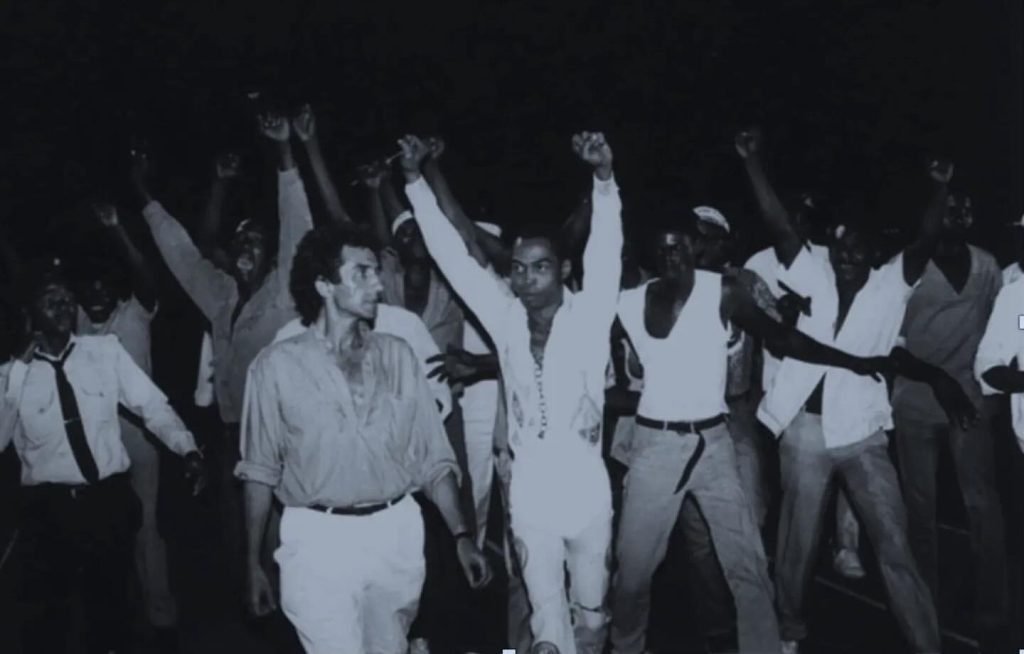
His longtime friend and manager, Rikki Stein, called the recognition “better late than never.” He noted that Africa was long sidelined in global industry recognition. That tide, however, is changing, especially with Fela lifetime achievement award.
Following the worldwide rise of Afrobeats (a genre rooted in Fela’s Afrobeat sound), the Grammys introduced the Best African Performance category in 2024. This year, Burna Boy also received a nomination in the Best Global Music Album category. Safe to say Fela walked so that African music artists could fly.
Fela Anikulapo’s Message Remains the Same
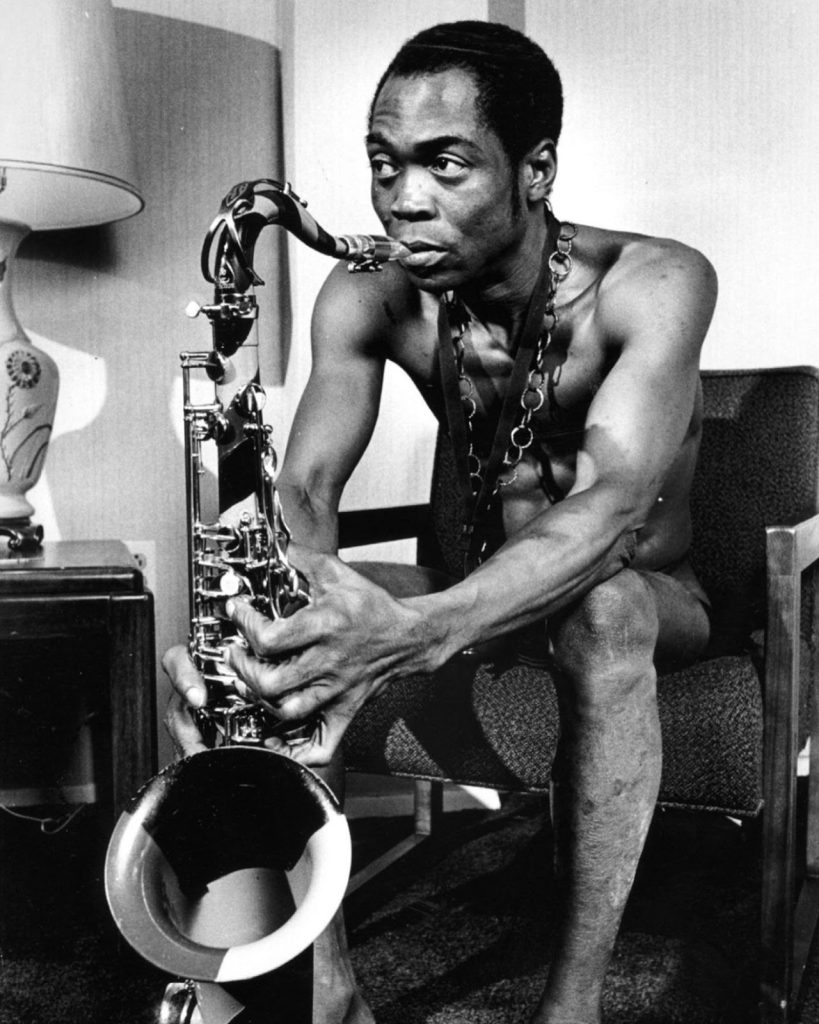
However, Fela wasn’t built for awards. He was built for resistance. The talented music legend was a cultural theorist, political agitator, and sonic architect. Fela fused jazz, funk, Yoruba rhythms, highlife, and radical politics into a genre that confronted norms.
While being entertaining, his music challenged military regimes, exposed corruption, and turned the stage into a site of protest. Albums like ‘Zombie’ dominated charts while provoking raids, arrests, violence, and persecution.
Today, his influence echoes in the works of artists like Burna Boy, Kendrick Lamar, and Idris Elba. His music still finds its way into contemporary playlists, homes, protest grounds across Africa, and even classrooms.
So, while the Grammys settled the debate. They also made history and confirmed that the legend, Fela, attracted and still attracts global validation.

About The Author