



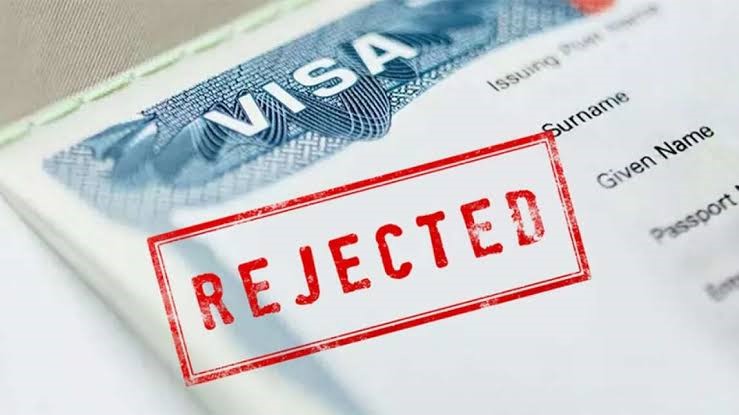
British universities are withdrawing admission offers to Nigerian and other international applicants as UK student visa refusals climb.
This is reportedly because institutions fear that too many rejections could cost them the right to recruit overseas students.
A Financial Times analysis of Home Office data, published on Saturday, October 10, found that 22.7% of Nigerian study visa applications were withdrawn in the first half of 2026, up from 4.5% a year earlier. 
UK student visa refusals: the numbers behind the withdrawals
Nigeria is far from alone. Across all nationalities, 10.5% of study visa applications were withdrawn in the first six months of the year. That compares with 2.3% in the same period of 2025 and just 0.4% in 2023.
Other countries saw sharper jumps:
- Pakistan: 40.9%, up from 3%
- Bangladesh: 23.5%, up from 7.1%
- India: 5.2%, up from 1.2%
READ: Easiest Schengen Countries for Nigerians in 2026: Where Applicants Stand a Better Chance
The trigger is a tougher compliance regime. The Home Office lowered the refusal threshold for sponsoring universities from 10% to 5% in September 2025. A university where more than 5% of applicants holding offers are later refused a visa risks losing its licence to recruit international students.
Study visa refusals doubled in the first half of 2026, according to universities, and the rise has reportedly been driven by suspicion that some applicants use the student route to claim asylum. Data from visa-processing firm Enroly suggests nearly half of universities now exceed the 5% limit.
About 15 universities are believed to have suspended recruitment from Pakistan altogether this year. Others have quietly stopped recruiting in certain regions to protect their numbers.
Universities question the refusals
Jamie Arrowsmith, director of Universities UK International, said visa processing has become “markedly less predictable”, with many refusals resting on inconsistent and subjective reasoning.
University of East Anglia deputy vice-chancellor Steven McGuire described some decisions as arbitrary, including a case in which an interviewer apparently did not realise the campus is in Norwich. Other cited grounds include applicants having once considered studying elsewhere.
Sector leaders warn of heavy financial consequences:
- University of the West of Scotland vice-chancellor James Miller said some institutions could see overseas numbers fall by more than 20% this year, making job cuts inevitable without a policy change.
- University Alliance chief executive Vanessa Wilson predicted restructures, course closures and campus closures.
Home Office response and what it means for Nigerians
The Home Office said international students make a positive contribution to Britain, but insisted recruitment must be responsible so the immigration system stays secure. It added that it is offering universities support to improve their recruitment practices.
For Nigerian applicants, the practical effect is more uncertainty. An offer letter is no longer a guarantee, and some institutions may avoid markets seen as higher risk. How far UK student visa refusals fall will depend on whether the Home Office eases its stance or universities keep narrowing who they recruit.
READ: Oman Visa-Free Entry Extends to Spouses and Children: What Travelers Must Know

About The Author