


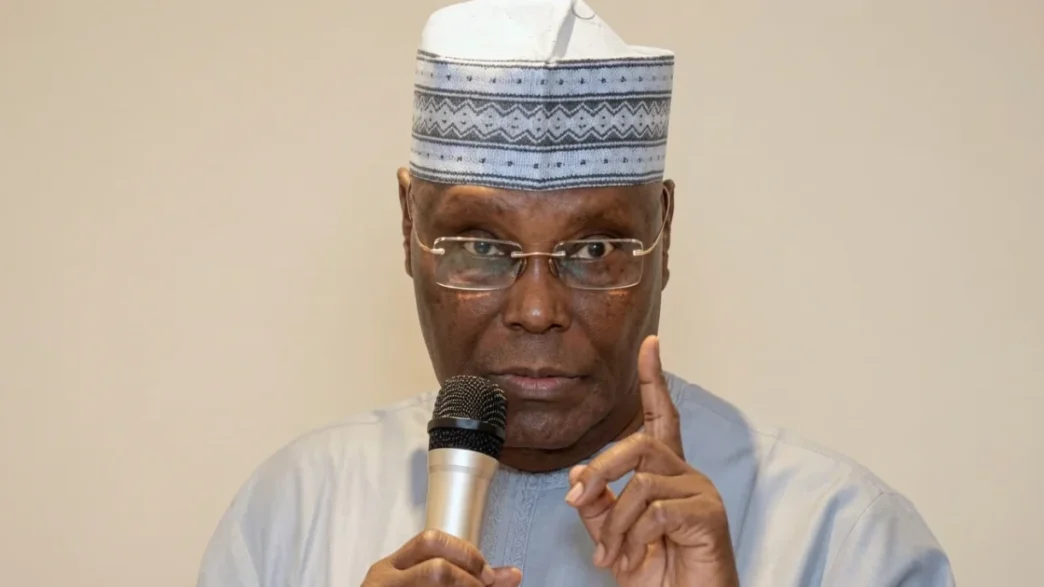
Former Vice President Atiku Abubakar has rejected the Federal Government’s 30-day petrol discount at NNPC Limited stations.
He says the relief is too narrow and too short-lived to ease the cost of living, according to a statement his media office set out on Thursday, October 8. Atiku also renewed his call for a permanent production-based subsidy.
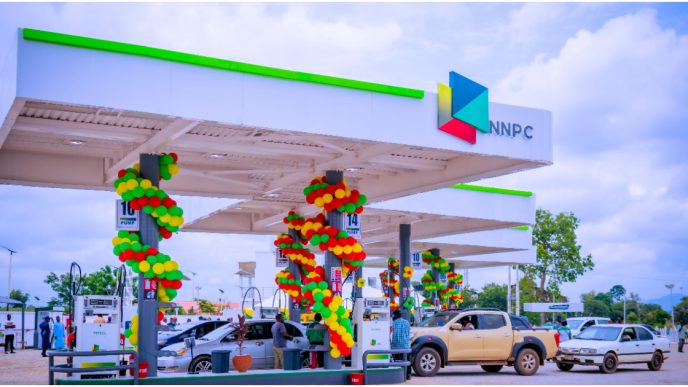
The government announced the measure a day earlier. Finance Minister Taiwo Oyedele said petrol would sell at a ceiling price at NNPC stations nationwide, with priority for public transport operators. He said the intervention responds to higher global energy prices and does not mark a return to blanket fuel subsidy. 
Why Atiku says the discount falls short
Atiku’s camp argues that access is the main problem. It said NNPC Retail has more than 900 outlets, but they are unevenly spread across the 36 states and the Federal Capital Territory. That would leave people in areas without NNPC stations travelling long distances to benefit.
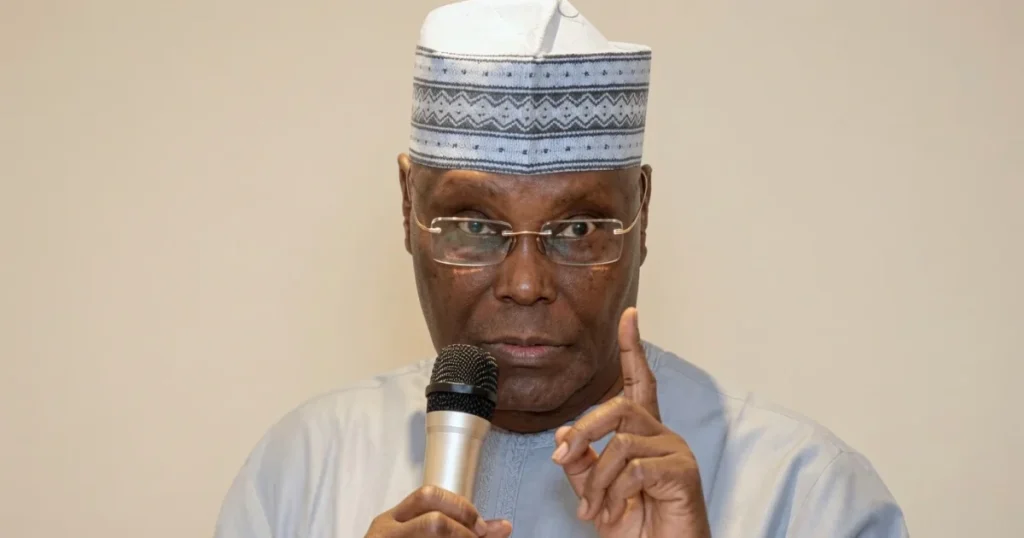
The statement also cited NNPC’s July 2026 report, which put petrol availability across its retail network at 52 per cent. It questioned how relief could be nationwide on that footing.
The camp also challenged the claim that the scheme is not a subsidy. It asked whether NNPC revenues, public funds or future consumers would eventually carry the cost of any negotiated price limits and loss-recovery arrangements.
READ: Dollar Crashes by ₦329 as Naira Exchange Rate Nears Strongest Level in 2 Years
The production-based subsidy Atiku wants
Atiku has proposed moving government support from imported fuel to domestic refining, with subsidies capped, budgeted and tied to verifiable production.
According to him, the plan is not meant to resurrect the old subsidy regime. The subsidy would cover only locally refined products and would operate within a fixed spending limit, subject to National Assembly approval and independent audits.
His aides have gone further on prices. They have said petrol could sell for about ₦500 per litre for several years under the model.
The camp now says the government is borrowing the idea. It pointed to the plan for forward crude sales to domestic refiners, announced alongside the discount, as a production-side intervention like the one it says the administration earlier rejected.
The model has critics. One commentator argued in September that it would be hard to implement, partly because it would need buy-in from state and local governments.
Politics and what comes next
Atiku’s media office linked the timing of the discount to the 2027 general election. It urged the government to publish details of the intervention, its financial implications and the participating outlets, and to explain how it would lower transport fares and food prices.
The discount runs for about a month, so pressure will build over what follows it. How the government answers Atiku’s criticism, and whether it extends or reshapes the scheme, will help shape the 2027 debate on petrol prices and subsidy.

About The Author