



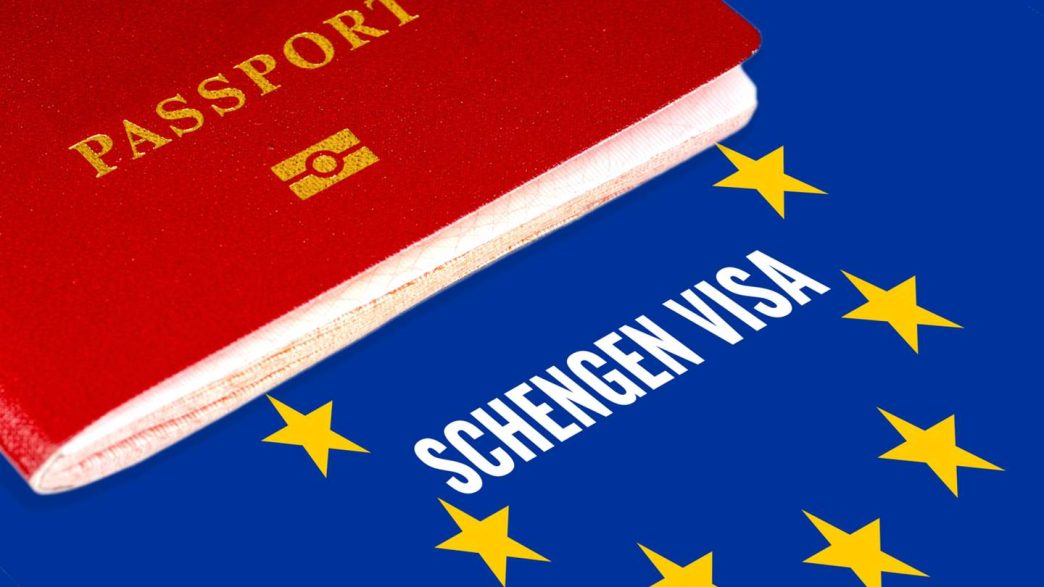
Getting a European visa is rarely simple for Nigerians, but eight Schengen countries are being singled out in 2026 for clearer processes and friendlier terms toward well-prepared applicants.
The caution is the numbers. European Commission data show Nigeria’s Schengen short-stay refusal rate was about 47.9% in 2025, against an overall average near 14.6%. In practice, only about 57,000 of roughly 113,000 applications filed in Nigeria were approved.
That is why choosing the right destination matters. 
The eight easiest Schengen countries for Nigerians to consider
The list below is an editorial assessment, not an official ranking that names these destinations:
- Czech Republic: lower-cost study than much of Western Europe and a low rejection rate for genuine applicants.
- Finland: actively recruits skilled workers, especially in engineering and ICT.
- France: Eiffel Excellence scholarships and part-time work rights for students.
- Germany: clear visa guidelines, and many public universities charge low or no tuition.
- Hungary: Stipendium Hungaricum scholarships cover tuition, and living costs are low.
- Lithuania: faster visa processing, popular with students and small business owners.
- Poland: affordable education and consular staff familiar with Nigerian applications.
- Sweden: a transparent system with many English-taught degrees.
Most Nigerian applicants in these countries apply for student, work, study or business visas. The routes differ by country.
READ: Oman Visa-Free Entry Extends to Spouses and Children: What Travelers Must Know
What it costs and what has changed
The standard Schengen visa fee is €90 for adults and €45 for children aged 6 to 11, and the fee is non-refundable if the visa is refused. Visa-centre service charges typically add about €30 to €50. Travel insurance with at least €30,000 in cover is also mandatory.
At the border, the EU’s Entry/Exit System became fully operational on April 10, 2026. It replaces passport stamps with biometric registration, meaning a photo and fingerprints, for non-EU short-stay visitors.
Preparation still decides the outcome
A visa is tied to the purpose declared on the application, and Germany has reminded visa holders that activities inside the country must match it. Standard processing takes about 15 days but can stretch to 45 in complex cases, so applicants are advised to apply well ahead of travel.
For Nigerians weighing Europe in 2026, the Schengen countries for Nigerians listed here may offer a smoother start. A smoother start is not a guarantee, and complete, consistent documents still matter most.

About The Author