



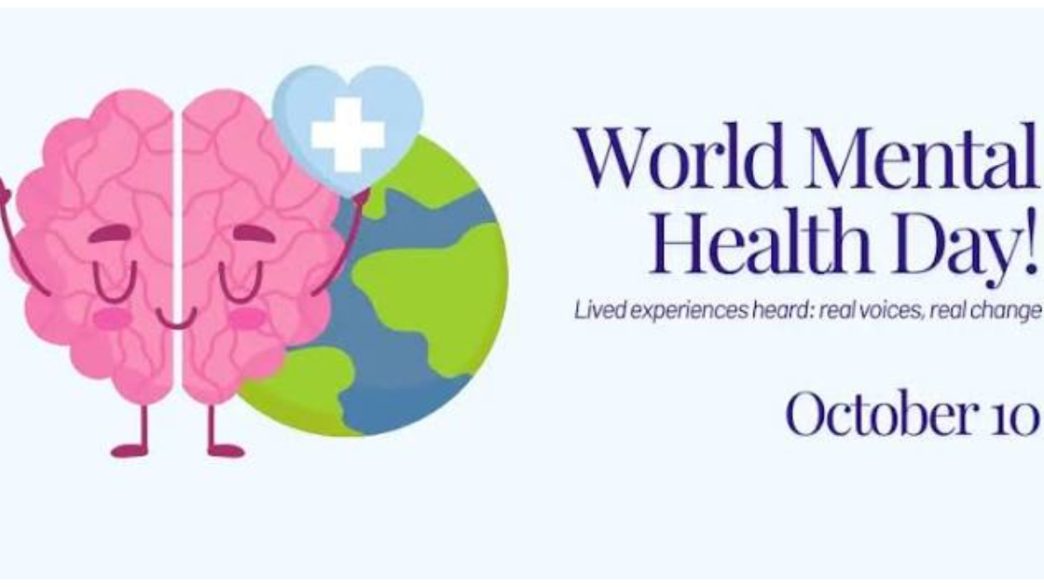
October 10, is World Mental Health Day, with the theme “Lived experiences heard: real voices, real change.“ A group of mental health experts used a community programme organised by the Amity Centre for Mental Health to urge Nigerians to drop the shame, stop pretending everything is fine, and seek help when their minds are struggling.
The simple message that kept ringing out from Gracefield Island in Lekki was: it is okay not to be okay, and you do not have to face it alone.
The event was not the usual talk-and-go. It featured other activities, such as a community walk, free vital signs checks, and even a Pilates session. The organisers deliberately mixed physical movement with mental health conversations because, as they put it, the body and mind are not separate. 
SEE ALSO: Brighton Inquest Finds Three Sisters of Nigerian Descent Died by Suicide
“It’s Okay Not to Be Okay”
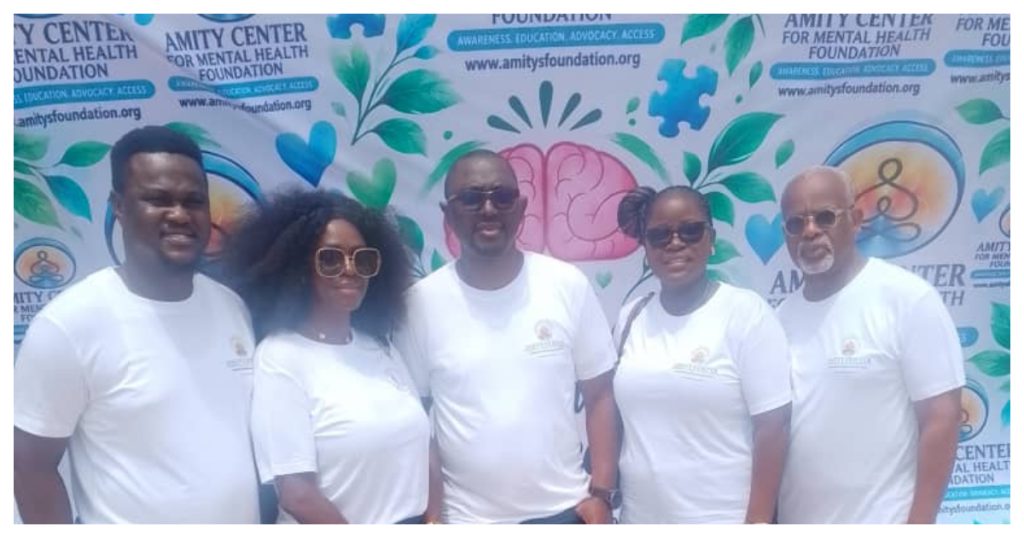
Dr. Oluwafunmilayo Ilori, founder of the centre who practises in New Jersey, said the whole point was to bring the conversation into the open and remind people that mental health support exists.
“We want people to understand these conditions better and know that help is available,” Ilori explained. The Pilates session, she added, was intentional as physical wellness and mental wellness go hand in hand.
One of the advocates at the event put it even more directly: “It is okay not to be okay sometimes in life, and there is help.”
She emphasised that mental health struggles are real health issues, not something to hide or feel ashamed about. She also drew attention to postpartum depression, which many Nigerian communities still do not recognise or talk about enough. New mothers, she said, need understanding and proper support instead of being told to “just manage” or “pray harder.”
She called on families and workplaces to do better by noticing when someone is withdrawing allowing people to take breaks without judgment. She added that we need to create a space where people can speak about their mental health without fear of being labelled weak or “possessed.”
What Causes Mental Health Challenges
Dr. Komolafe Ayo explained that mental health conditions usually come from a mix of things including biology (genetics), how a person thinks and copes with stress, past trauma (like conflict and insecurity), family relationships, and the kind of support they have around them. He also warned that substance use also plays a big role and should not be ignored.
He stated clearly that not every mental health problem is spiritual, a point that many Nigerians still wrestle with. While faith and spirituality can help people cope, these conditions often have biological, psychological, and social roots that need proper attention. Ignoring them or blaming everything on spiritual attack can delay the help people actually need.
He advised people to watch for lasting changes in behaviour, especially when someone suddenly loses interest in things they used to enjoy. Family, friends, and colleagues are advised to encourage such person to get assessed.

About The Author