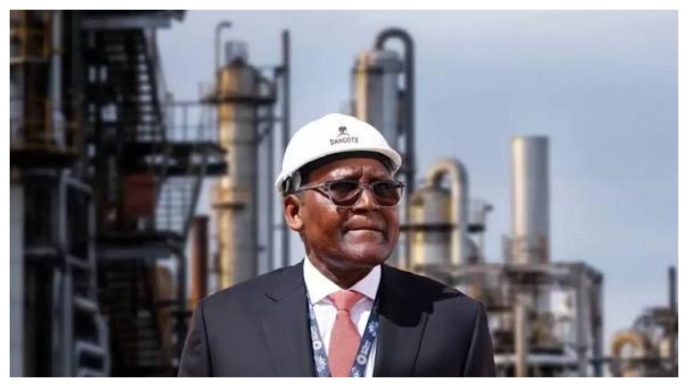


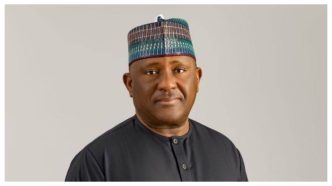
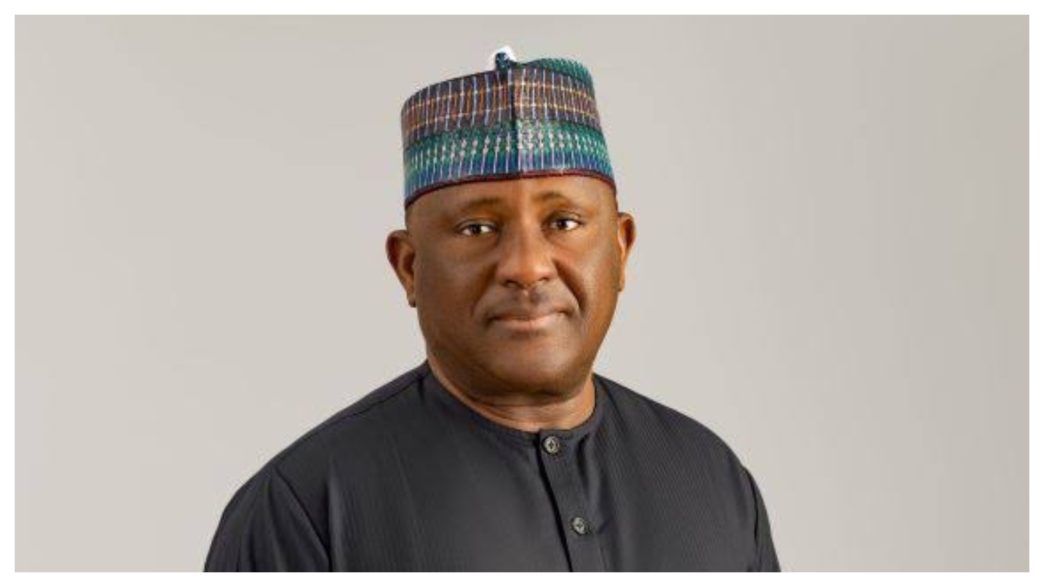
Abdul Samad Rabiu’s net worth fell by $1.02 billion on Wednesday to $16.4 billion, according to the Bloomberg Billionaires Index, as shares of BUA Cement fell by the maximum daily limit of 10%.
Nigeria’s biggest stock market selloff this year wiped more than $1 billion from Rabiu’s fortune. The decline highlighted how sharp movements in the country’s equity market can quickly affect the wealth of Africa’s richest business leaders.
Rabiu owns 95.78% of BUA Cement. As the company’s market capitalisation fell below $8.4 billion, the value of his stake dropped to about $8.02 billion. 
The decline occurred during the sharpest single-day market correction on the Nigerian Exchange (NGX) this year.
The total market capitalisation of the exchange fell by N3.64 trillion ($2.64 billion) to N150.85 trillion ($110 billion). At the same time, the NGX All-Share Index dropped by 2.35%, falling from 240,743.19 points to 235,074.54 points.
READ ALSO: Abdul Samad Rabiu Hits $15.9 Billion, Almost Becomes Africa’s 2nd Richest Billionaire
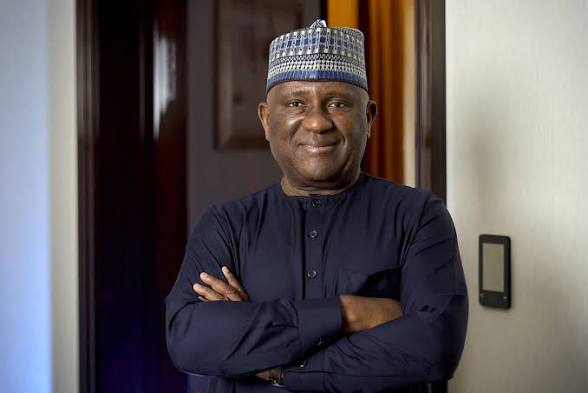
The losses ended a brief two-day recovery and reversed part of the rally that had pushed Nigerian equities to record highs. The selloff also surpassed all previous one-day declines recorded on the exchange this year.
Reasons Behind the Market Decline
Before Wednesday’s selloff, strong gains in cement manufacturers and other large-cap stocks had driven the Industrial Goods Index to nearly double in value this year.
Market analysts have long noted that Nigeria’s stock market is highly concentrated. A relatively small number of large companies account for a significant share of the market’s total value.
Wednesday’s decline resulted from a broad repricing of these large-cap stocks rather than weakness in any single company.
The selloff affected more than just one investor. In a single trading session, investors lost more than N3.64 trillion ($2.64 billion) in market value. This marked the largest one-day loss on the Nigerian Exchange this year.
About The Author