


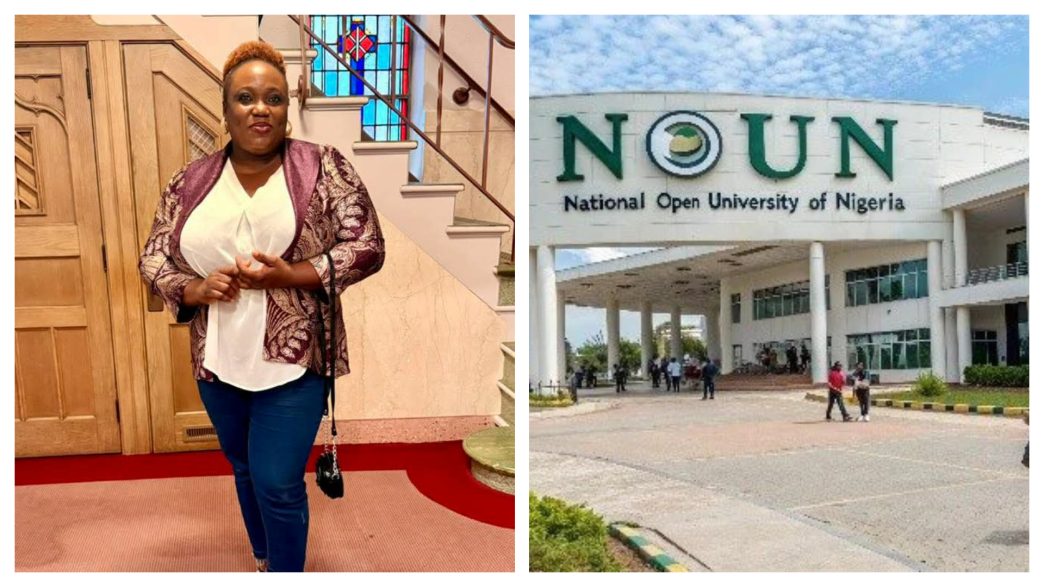
CeeCee, a writer and research fellow currently at Lehigh University in Pennsylvania, has shared her experience of academic discrimination in Nigeria, which was based not on her grades or competence, but on the origin of her degree.
She holds a Master’s degree in Information Technology from the National Open University of Nigeria (NOUN). In 2017, that degree became the reason a Nigerian university refused to admit her to a PhD program on equal terms with others.
The Conditional Admission
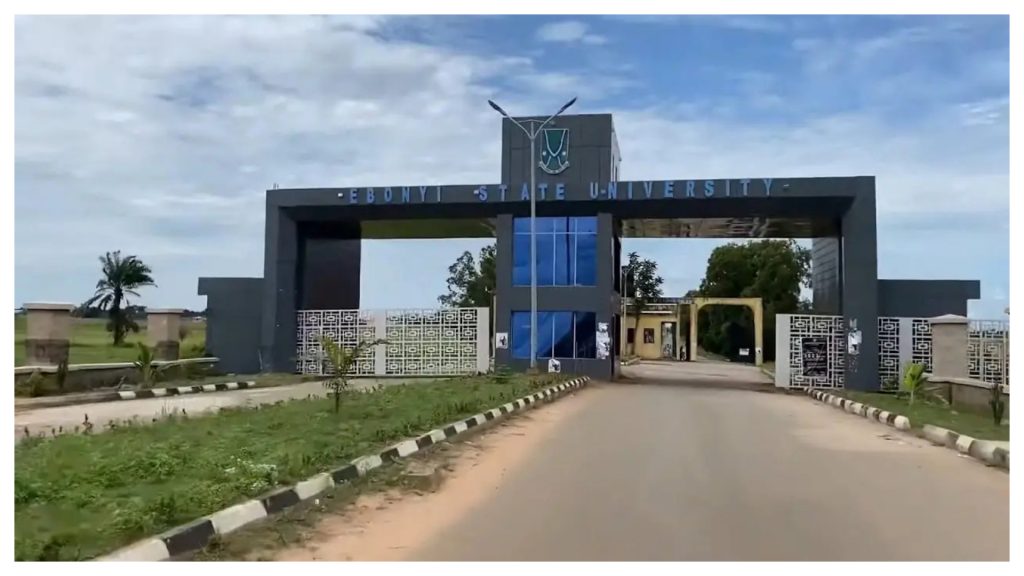
CeeCee applied for a PhD at Ebonyi State University in 2017. Her GPA was above 4.0, and her prerequisite courses were all in order. By every academic standard that should matter, she qualified. 
Instead of full admission, she received a provisional, conditional offer. The university told her she needed to retake her master’s courses because they had been completed at NOUN. Only after a year of repeating coursework she had already passed would she be allowed to transfer into the PhD program.
A friend who received the same offer decided he could not go through with it.
CeeCee accepted anyway.
“You want hard? I show up rock hard,” she said of her decision.
The Cost of Saying Yes
Accepting this offer meant more than attending familiar lectures. CeeCee was living in Owerri and had to travel to Abakaliki for the program, covering the costs of hotels, transportation, and hours on the road, all on top of repeating a year of coursework she had already mastered.
By 2019, she had completed both the repeated master’s coursework and the PhD coursework, along with her research. The pandemic and subsequent ASUU strikes caused further delays, pushing her graduation date back almost a year. She ultimately completed her PhD in 2021.
The same NOUN master’s degree that Ebonyi State University had deemed insufficient (the one that required her to prove herself twice) became the qualification that secured her a fully funded PhD scholarship in the United States. There were no extra courses, no conditions, and no repetition.
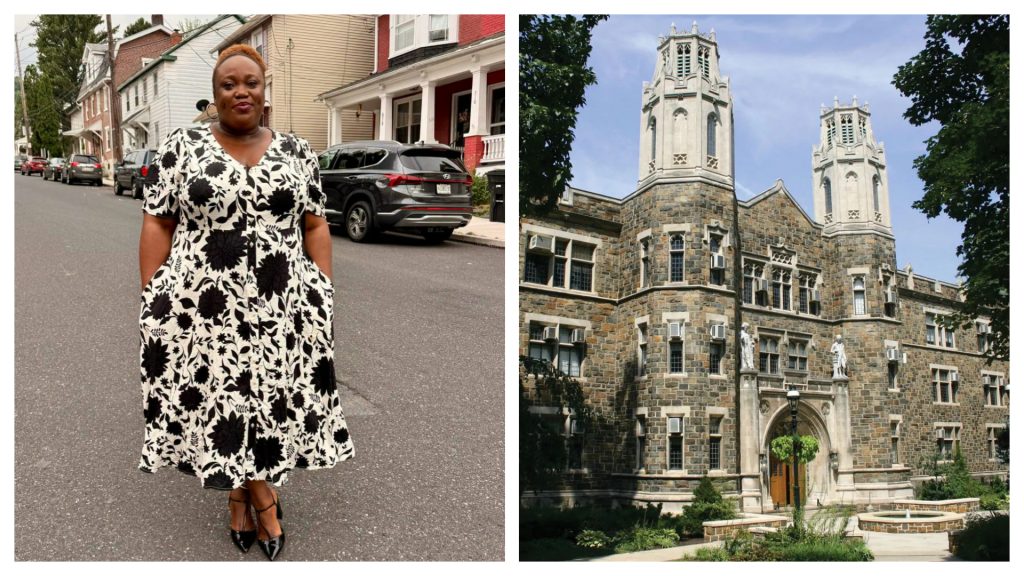
This scholarship brought her to Lehigh University, where she has been working as a research fellow since August 2022 (as shown on her Facebook profile) at the very institution where she completed her American PhD.
SEE ALSO: Top 10 Most-Desired Nigerian Universities, Courses Revealed in 2026 JAMB New Stats
What Does Nigeria Gain From This?
CeeCee’s question is direct: what does Nigeria truly gain by discriminating against NOUN graduates?
The stigma is widespread and well-known. Graduates of the National Open University are regularly told they cannot be hired as lecturers in conventional Nigerian universities, are passed over for admissions, and have their degrees regarded as second-tier by institutions that, in many cases, helped build NOUN’s academic standards.
NOUN’s programs are accredited by the National Universities Commission (NUC), the same body that accredits all Nigerian universities. Course materials are developed and reviewed by academics across the Nigerian university system. Many professors who teach at traditional universities also serve as examiners or adjunct staff at NOUN.
“The same people setting the standard for NOUN are the ones dismissing its graduates,” she said.
She also challenges the idea that distance learning is somehow easier or less rigorous. Open and distance education develop specific skills: digital literacy, self-discipline, independent thinking, and the confidence that comes from succeeding without direct supervision.
CeeCee herself worked as a lecturer in a university while holding her NOUN master’s degree, directly contradicting claims that it cannot be done.
SEE ALSO: How a Fake Job Offer Cost Nigerian Graduate His Job and NYSC Plans
What Her Story Leaves Behind
The simple truth of CeeCee’s story is that NOUN qualifications are legitimate and that discrimination against its graduates is unjustifiable. Both statements are accurate.
The more complex reality reveals what happens when an institution arbitrarily decides, without evidence, that knowledge is less valuable depending on its source, and a person refuses to accept that judgment as final. CeeCee did not contest the decision loudly; she showed up consistently, repeating the work, traveling the distance, and completing her PhD. She then proved what she was capable of, allowing an American university to recognize what a Nigerian one would not.
Her NOUN degree was never the problem. The real issue was a system that automatically dismissed it without ever justifying why.

About The Author