




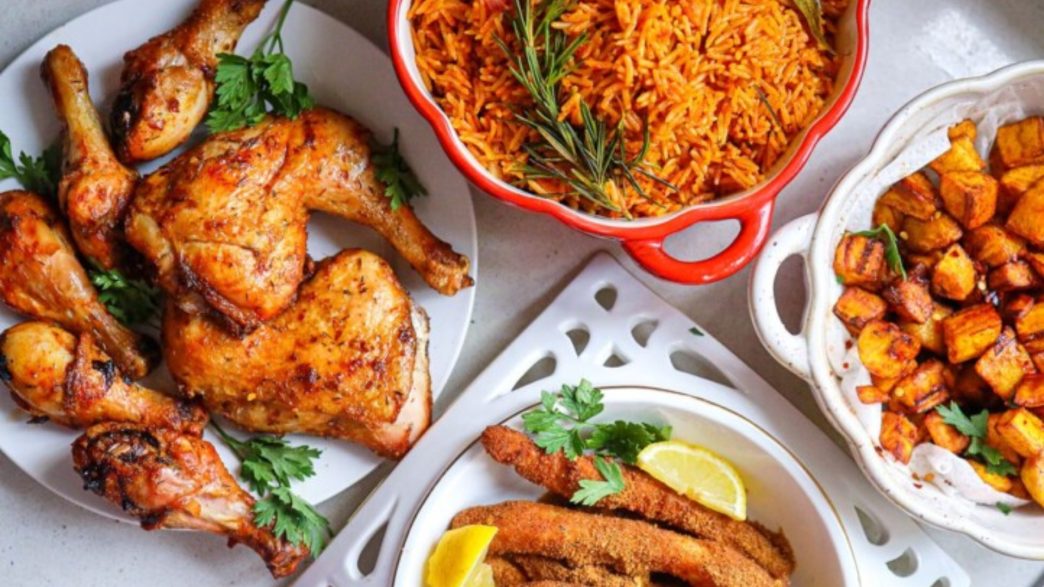
There was a time when the phrase “eat healthy” sounded simple. It meant eating more vegetables and fruit, consuming less junk food, drinking more water, and sleeping properly.
But in Nigeria today, a healthy diet is no longer just a lifestyle conversation. For many people, it has quietly become a financial problem. 
The truth is that a lot of Nigerians are no longer asking: “What is healthy?” They are asking: “What can I actually afford to eat consistently?”
How Much Does It Cost to Eat a Balanced Diet in Nigeria?
The numbers are beginning to reflect that reality. According to the latest Cost of a Healthy Diet report released by the National Bureau of Statistics, the average cost of maintaining a healthy diet in Nigeria rose to ₦1,513 per adult per day as of February 2026.
That means a Nigerian adult who eats once a day needs over ₦45,000 monthly just to maintain the minimum recommended healthy diet standard, and those who eat thrice need ₦136,170—excluding transportation, cooking gas, electricity, and food preparation costs entirely. That is for one person.
For an average family household, the numbers become far more difficult. Research from Picodi and Euromonitor shows that Nigeria is number one globally for food spending as a proportion of income, with Nigerians spending 58.9% of their earnings on food alone.
The report also showed that the cost of healthy eating has continued rising faster than both general inflation and food inflation in recent months. This means even when inflation figures appear to slow down nationally, nutritious food still keeps becoming more expensive for ordinary people.
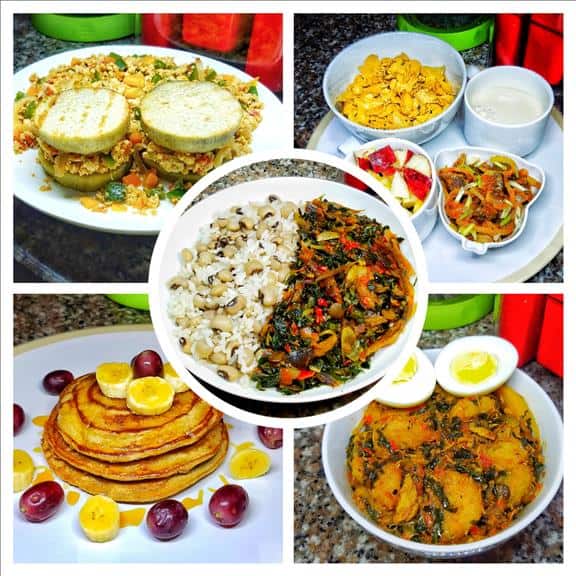
The same NBS data revealed that animal-source foods remained among the most expensive parts of maintaining a healthy diet, accounting for a major percentage of overall food costs. Honestly, many Nigerians already know this without reading any report.
Eggs that used to feel like the cheapest protein option now disappear from people’s daily diets. Fruits are increasingly becoming occasional purchases instead of daily habits. Fish, chicken, turkey, and meat are now rationed carefully inside many homes.
For a lot of students and low-income earners, a “balanced diet” has slowly become one of those phrases people hear more in biology textbooks than in real life.
What makes the situation even more complicated is that Nigeria is not necessarily lacking a food culture. Traditional Nigerian meals are naturally rich in vegetables, grains, legumes, fibre, and locally sourced ingredients. The problem now is affordability. Healthy food is becoming harder to sustain consistently, especially as incomes struggle to keep up with rising market prices.
You can already see how this changes eating habits. People begin choosing food based on survival first, nutrition second. The priority becomes: “What will fill me?” not necessarily: “What will nourish me?” This affects almost everything long-term: health energy levels, nutrition, productivity, and even future medical costs.
The irony is that while social media constantly pushes wellness culture, gym culture, body goals, skincare routines, and “clean eating” conversations, many Nigerians are simply trying to survive rising food costs without skipping meals entirely.
People have continued expressing frustration around grocery prices despite reports showing slower inflation growth nationally. Many Nigerians point out that lower inflation does not automatically mean food has become cheap again. Honestly, that frustration is understandable. Because for many households, healthy eating in 2026 increasingly feels less like a public health recommendation and more like a privilege attached to a stable income.
ALSO READ: See the Foods Killing Us in Africa

About The Author