



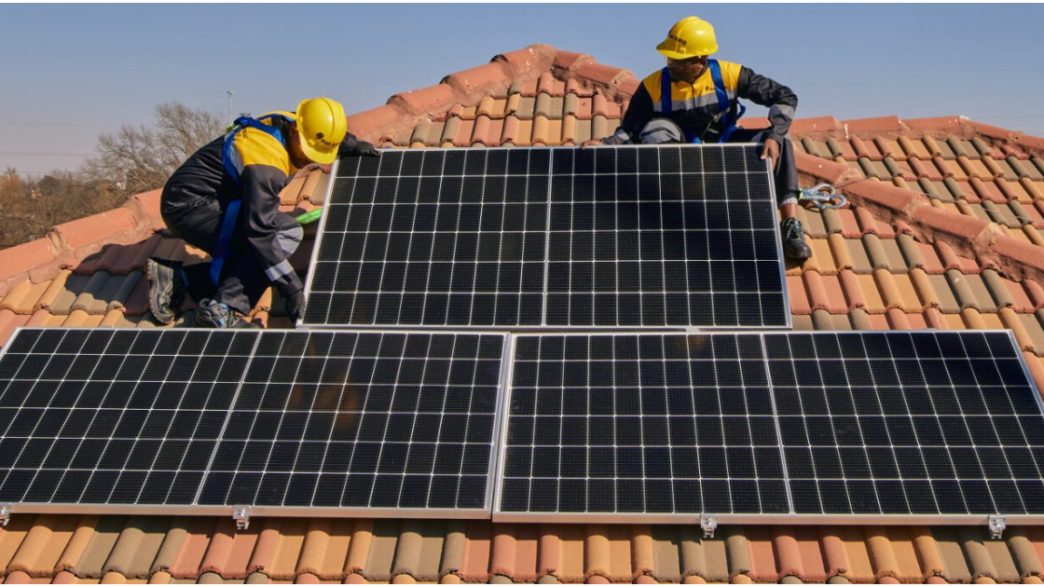
Electricity from Nigeria’s national grid has become increasingly unreliable. Frequent power outages have forced households and small businesses to seek alternatives, with many turning to solar energy.
However, what should offer relief from erratic electricity supply has become another financial burden for millions of Nigerians. While solar power promises greater energy independence, the cost of installing a reliable system remains beyond the reach of many households.
Despite billions of naira invested in the power sector and the introduction of the Siemens Presidential Power Initiative, the Transmission Company of Nigeria continues to face challenges affecting electricity transmission. Power generation has also fallen to very low levels at different times, leaving many communities without electricity for extended periods. 
These failures have affected businesses, reduced productivity and increased the cost of daily operations.
The Solar Rush: Not Everyone Can Afford It
As the national grid continues to struggle, more Nigerians are embracing solar power. However, this growing demand has exposed a major gap between those who can afford quality systems and those who cannot.
Reliable solar installations capable of powering heavy household appliances come at a high cost. For many average Nigerian families, the equipment and installation expenses are simply unaffordable. Consequently, some consumers settle for cheaper products. These include low-quality solar panels, batteries and inverters that may not last long or deliver the expected performance.
Although such products cost less initially, they can develop faults within a short period. Some stop working after only a few months, forcing users to spend more on repairs or replacements. This leaves many Nigerians paying repeatedly for systems they had hoped would reduce their electricity costs.
READ ALSO: Generate Solar Power, Earn Bill Credits? Nigerians Challenge NERC’s New Electricity Rules
Poor Regulation and Questions About Product Quality
Poor product quality and inadequate regulation have further complicated the shift to solar energy. Some sellers make misleading claims about their products’ lifespan, capacity and performance. Without effective monitoring and strict standards, customers risk buying equipment that fails to meet their expectations.
Consumers also have limited access to affordable loans and flexible payment plans. Such financing options could help more households purchase reliable solar systems without paying the full cost upfront.
Unless these challenges are addressed, switching to solar power could become another financial strain rather than a lasting solution to Nigeria’s electricity problems.
The Bottom Line
The growing number of Nigerians turning to solar power reflects declining confidence in the national electricity grid.
However, solar energy alone cannot resolve the country’s power challenges. The government must strengthen the transmission network while making reliable solar products more affordable and accessible.
Until meaningful progress is made, millions of Nigerians will continue to face unreliable electricity and rising energy costs. Many will also remain caught between staying connected to an unreliable national grid and paying more to generate their own power.
READ MORE: Aso Rock Switches to Solar — But What About Ordinary Nigerians?
Story written by Aramide Okunboh, edited by Sola Sanusi.

About The Author